




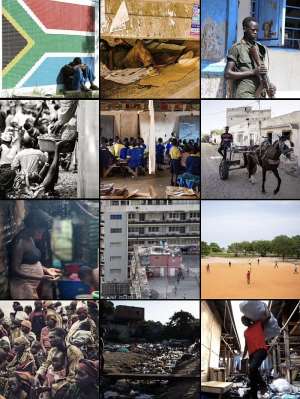
The statement "We’re vulnerable”style journalism reporting by African journalists must end. It’s not helping our image and dignity as Africans. It raises critical concerns about the nature of journalism in Africa and its impact on the continent’s global image. The tendency to portray Africa and its people as perpetually vulnerable, dependent on foreign aid, and incapable of self-sufficiency. This style of reporting, often referred to as "vulnerability journalism" or "dependency journalism," has far-reaching consequences for how Africa is perceived both internally and externally. To address this issue, it is essential to explore the origins, implications, and potential solutions to this problematic narrative.
Origins of Vulnerability Journalism
The roots of vulnerability journalism in Africa can be traced back to the colonial era, where Western narratives often depicted Africa as a "dark continent" in need of salvation and civilization. This narrative was perpetuated through literature, media, and missionary work, creating a lasting stereotype of Africa as a place of poverty, conflict, and helplessness. Post-independence, many African nations struggled with the legacies of colonialism, including economic instability, political turmoil, and social fragmentation. These challenges provided fertile ground for the continuation of narratives that emphasized Africa’s vulnerabilities.
In the modern era, international media outlets have often focused on Africa’s crises famine, war, disease, and natural disasters while neglecting stories of resilience, innovation, and progress. This skewed representation has been internalized by some African journalists, who, either due to a lack of resources, training, or editorial pressure, replicate these narratives. Additionally, the reliance on foreign funding for media organizations in some African countries has further entrenched this style of reporting, as donors often prioritize stories that align with their agendas, such as humanitarian aid or disaster relief.
Implications of Vulnerability Journalism
The constant portrayal of Africa as vulnerable and dependent has several negative implications:
1. Erosion of Dignity and Agency: When African media consistently frames its people as victims in need of external help, it undermines their agency and dignity. This narrative suggests that Africans are incapable of solving their own problems, which can lead to a sense of disempowerment among the African population.
2. Reinforcement of Stereotypes: Vulnerability journalism perpetuates harmful stereotypes about Africa as a continent plagued by endless suffering. This not only affects how the world views Africa but also how Africans view themselves, fostering a mindset of inferiority and dependency.
3. Impact on Development: The focus on crises and dependency can deter investment and tourism, as potential investors and visitors may perceive Africa as unstable or high-risk. This, in turn, hampers economic growth and development.
4. Distraction from Root Causes: By emphasizing symptoms (e.g., poverty, disease) rather than addressing root causes (e.g., systemic inequality, colonial legacies), vulnerability journalism diverts attention from the structural changes needed to achieve sustainable progress.
5. Undermining African Solutions: Africa is home to countless stories of innovation, resilience, and success. However, these stories are often overshadowed by narratives of vulnerability, preventing the celebration and replication of homegrown solutions.
The Role of African Journalists
African journalists have a critical role to play in reshaping the narrative about the continent. They are the gatekeepers of information and have the power to influence public perception, both locally and globally. To move away from vulnerability journalism, African journalists must adopt a more balanced and empowering approach to storytelling. This includes:
1. Highlighting Resilience and Innovation: Journalists should actively seek out and report on stories of African ingenuity, entrepreneurship, and resilience. For example, the rise of tech hubs in cities like Lagos, Nairobi, and Cape Town demonstrates Africa’s potential as a hub of innovation.
2. Contextualizing Crises: While it is important to report on challenges, journalists must provide context and analysis to help audiences understand the underlying causes and potential solutions. This approach shifts the focus from mere victimhood to empowerment and action.
3. Promoting African Voices: African journalists should prioritize the perspectives and experiences of Africans themselves, rather than relying on foreign experts or narratives. This ensures that stories are told from an authentic and relatable standpoint.
4. Challenging Stereotypes: Journalists have a responsibility to challenge and deconstruct harmful stereotypes about Africa. This can be achieved through investigative reporting, opinion pieces, and multimedia content that counters one-dimensional portrayals.
5. Collaborating Across Borders: African journalists can amplify their impact by collaborating with colleagues across the continent to share resources, expertise, and stories. This fosters a sense of unity and strengthens the African media landscape.
The Need for Structural Change
While individual journalists can make a difference, systemic change is also necessary to address the root causes of vulnerability journalism. This includes:
1. Investing in Media Education: Journalism schools and training programs in Africa should emphasize ethical reporting, critical thinking, and the importance of balanced storytelling. This will equip the next generation of journalists with the skills needed to challenge harmful narratives.
2. Supporting Independent Media: Governments, private sector actors, and civil society should support independent media organizations that prioritize objective and empowering reporting. This reduces reliance on foreign funding and its associated biases.
3. Encouraging Investigative Journalism: Investigative journalism plays a crucial role in holding power to account and uncovering stories that challenge the status quo. Supporting investigative reporting initiatives can help shift the focus from vulnerability to accountability and progress.
4. Promoting Media Literacy: Educating the public about media literacy can empower audiences to critically evaluate the information they consume and demand higher standards from journalists.
The prevalence of vulnerability journalism in Africa is a complex issue with deep historical roots and significant implications for the continent’s image and development. While it is important to report on challenges and crises, African journalists must strive for a more balanced and empowering approach to storytelling. By highlighting resilience, innovation, and African voices, journalists can challenge harmful stereotypes and contribute to a more dignified and accurate portrayal of the continent. Structural changes, including investment in media education and support for independent journalism, are also essential to creating a media landscape that reflects Africa’s diversity, potential, and agency. Ultimately, ending vulnerability journalism is not just about changing narratives it is about reclaiming Africa’s story and shaping its future.
Sulley Kone
+233244805619


 Franklin Cudjoe urges Minister to intervene as Azumah Resources, E&P dispute hea...
 Questions over EOCO’s role at Health Minister’s meeting with Awerco
 'They took the mud from the gutters and put them on the streets' – Kofi Bentil f...
 Susu Collector arraigned for allegedly defrauding 35 traders of GH¢156,455
 Migration dream turns sour as Ghanaian teacher battles debt and visa crisis in T...
 South Africa World Cup midfielder Jayden Adams dies aged 25
 Former Akan NPP PC pays GHS105,000 as T&T for 1,012 delegates ahead of constitue...
 One injured, three arrested as violence mars NPP Bantama Constituency elections
 GAC raises alarm over rising HIV infections among homosexuals in Bono Region
 How commuters pay over three times transport fare amid vehicle shortage on Nungu...

