




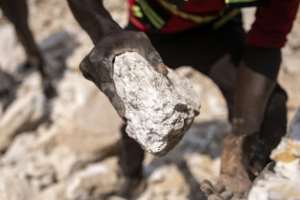
Lithium is fast becoming one of the world’s most valuable minerals, driving the global transition to renewable energy through its use in lithium-ion batteries for electric vehicles (EVs), smartphones, and energy storage systems. Ghana, known for its gold, bauxite, and oil resources, is now emerging as a significant player in the lithium market, with recent discoveries positioning the country as a potential lithium hub in West Africa.
Ghana’s Lithium Reserves
Recent geological surveys have confirmed lithium deposits in the Ewoyaa region of Ghana's Central Region. The Australian company Atlantic Lithium has been leading exploration efforts, estimating that Ghana’s lithium reserves could be commercially viable for mining. The Ewoyaa Lithium Project, which is expected to produce high-purity spodumene concentrate, is being developed to supply the growing demand for lithium in global markets.
Economic and Industrial Implications
The discovery of lithium presents an opportunity for Ghana to diversify its economy beyond traditional commodities like gold and cocoa. If properly managed, lithium mining could:
- Boost GDP growth by attracting foreign investments and increasing exports.
- Create jobs in mining, processing, and related industries.
- Promote local industrialization through lithium refining and battery manufacturing, reducing reliance on raw material exports.
Environmental and Social Considerations
Lithium extraction, like any mining activity, comes with environmental challenges. Open-pit mining and chemical processing can lead to:
- Water pollution and depletion.
- Land degradation and deforestation.
- Displacement of local communities.
To mitigate these risks, Ghana must enforce strict environmental regulations, invest in sustainable mining practices, and ensure that local communities benefit from lithium projects.
The Role of Government Policies
For Ghana to maximize the benefits of its lithium reserves, the government must:
- Establish a transparent regulatory framework that ensures fair agreements with foreign investors.
- Promote value addition by encouraging local processing and battery manufacturing.
- Implement environmental protection measures to safeguard natural resources.
- Engage with local communities to ensure they receive a fair share of the economic benefits.
Conclusion
Ghana's lithium discovery has the potential to transform the country's economy and contribute to the global clean energy revolution. However, the success of this sector will depend on responsible governance, sustainable mining practices, and policies that prioritize long-term national development over short-term gains. If managed well, Ghana could become a key player in the global lithium supply chain, driving both economic growth and technological advancement in Africa.


 Accra-Kumasi Expressway to cut travel time to 2hours, drive 120km per hour — Mah...
 'Our own money $2billion ready, we have not gone to borrow money from anywhere' ...
 Founder’s Day September 21 declared public holiday
 Council of State was not qualified to determine prima facie case against Torkorn...
 'Grounds for removal of Chief Justice and justice of superior court shallow, eph...
 Ghanaian banks write Off GH¢1.23bn in bad loans in first half of 2026
 Family of Gbewaa Training College lecturer killed by curfew soldiers vows legal ...
 Don't be a Bar that flips on principles but a Bar that is consistent — AG tells ...
 Prostate cancer may show no symptoms until advanced stage – Urologist warns
 Fully completed GH¢213,490 SOCO volleyball court abandoned after Bongo youth rej...



Comments
"Lithium discovery has the potential to transform the Country's economy," but the delays in ratification are causing international investors to think twice about investing in Ghana. The new governing party (the NDC) should show it means business and ratify asap. This will generate jobs and income for the economy.
Author's Reply
Exactly