




INTRODUCTION
The proposal to introduce Ghanaian languages in Parliament and the call for the Ghana Broadcasting Corporation (GBC) to be better resourced have sparked significant debate. While some view these initiatives as steps towards cultural preservation and inclusivity, others argue that they are impractical given the current state of resources and logistics. This article critically examines the arguments and highlights the historical context and importance of GBC's role in promoting Ghanaian languages, along with the need to incorporate Ghanaian languages in education and at home.
SPEAKING GHANAIAN LANGUAGES IN PARLIAMENT: Putting the Cart Before the Horse?
The idea of conducting parliamentary proceedings in Ghanaian languages is commendable in its intention to promote inclusivity and preserve cultural heritage. However, several challenges need to be addressed before this can be implemented effectively:
1. Resource Constraints:
- Implementing multilingual parliamentary sessions would require significant investments in translation services, training, and technology. Given the current economic constraints, allocating resources to this initiative might be seen as putting the cart before the horse.
2. Language Proficiency:
- Not all parliamentarians may be proficient in multiple Ghanaian languages. This could lead to communication barriers and inefficiencies in legislative proceedings.
3. Standardization:
- Ghana has over 80 languages and dialects. Standardizing a select few for parliamentary use could marginalize speakers of other languages, creating further divisions.
GBC's HISTORICAL CONTRIBUTION to Language and News Dissemination
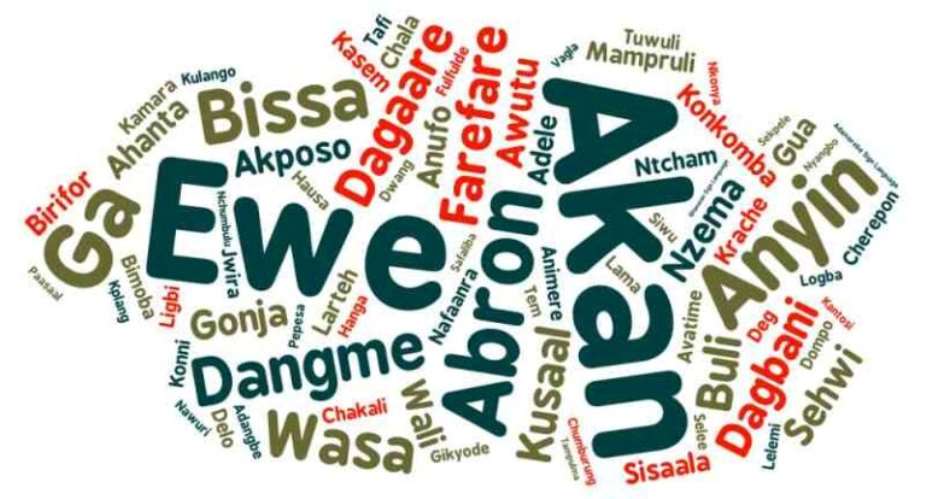
Historically, the Ghana Broadcasting Corporation (GBC) played a pivotal role in promoting Ghanaian languages. During the days of rediffusion boxes, GBC broadcasted news in Hausa, Nzema, Dagbani, Ewe, Ga, and Akan three times a day—in the morning, noon, and evening. These broadcasts were crucial in disseminating information across diverse linguistic communities and fostering a sense of national unity.
THE NEED TO RESOURCE GBC
Afenyo-Markin's call for GBC to be better resourced is well-founded, given the corporation's historical significance and potential to contribute to national development. By refining its presentation in Ghanaian languages and enhancing its capabilities, GBC can:
1. Promote Cultural Preservation:
- Providing news and programs in local languages helps preserve and promote Ghanaian cultural heritage. It ensures that citizens remain connected to their linguistic roots and fosters a sense of pride in their identity.
2. Enhance Inclusivity:
- Broadcasting in multiple languages ensures that information reaches all segments of society, including those who may not be proficient in English. This enhances inclusivity and ensures that every citizen has access to critical information.
3. Support Education:
- GBC can play a vital role in educational initiatives by producing and broadcasting educational content in local languages. This can support literacy and learning, especially in rural and underserved communities.
4. Strengthen Democracy:
- By providing comprehensive and accessible news coverage in various languages, GBC can enhance public understanding of governance and democratic processes. This empowers citizens to participate more actively in national affairs.
INCORPORATING GHANAIAN LANGUAGES IN EDUCATION AND AT HOME
To further promote the use of Ghanaian languages, it is essential to incorporate them into the education system and encourage their use at home:
1. Education System:
- Teaching Ghanaian languages from Junior High School (JHS) through tertiary education can help preserve and promote linguistic diversity. By making Ghanaian languages a core part of the curriculum, students can develop proficiency and appreciation for their native languages.
2. Parental Involvement:
- Parents play a crucial role in language preservation. Encouraging parents to speak local languages at home helps children develop fluency and fosters a strong connection to their cultural heritage.
ROLE OF COLLEGES OF EDUCATION
Colleges of education play a crucial role in shaping the future of a nation's educational landscape. They are responsible for training and developing the next generation of teachers, equipping them with the knowledge, skills, and pedagogical techniques necessary to excel in the classroom. These institutions provide comprehensive programs that encompass theoretical foundations, practical teaching experience, and continuous professional development. By fostering a culture of excellence and innovation, colleges of education contribute significantly to improving the quality of education, promoting lifelong learning, and ultimately, enhancing the overall educational outcomes for students at all levels.
CONCLUSION
While the idea of speaking Ghanaian languages in Parliament has merit, it is essential to address the practical challenges and resource constraints before implementation. On the other hand, resourcing GBC to refine its presentation in Ghanaian languages and expand its capabilities is a feasible and impactful initiative. By investing in GBC, Ghana can promote cultural preservation, enhance inclusivity, support education, and strengthen democracy.
Going back to our roots and leveraging GBC's historical strengths, along with incorporating Ghanaian languages in education and at home, can significantly contribute to national development and unity. It is time to acknowledge the importance of GBC and provide the necessary resources to enable it to continue serving the nation effectively.
Retired Senior Citizen
Teshie-Nungua


 Trump and Iran's supreme leader trade threats as mediators try to save deal
 More than 1 million evacuated as Typhoon Bavi makes landfall in China
 Franklin Cudjoe urges Minister to intervene as Azumah Resources, E&P dispute hea...
 'They took the mud from the gutters and put them on the streets' – Kofi Bentil f...
 Susu Collector arraigned for allegedly defrauding 35 traders of GH¢156,455
 Migration dream turns sour as Ghanaian teacher battles debt and visa crisis in T...
 South Africa World Cup midfielder Jayden Adams dies aged 25
 Former Akan NPP PC pays GHS105,000 as T&T for 1,012 delegates ahead of constitue...
 One injured, three arrested as violence mars NPP Bantama Constituency elections
 GAC raises alarm over rising HIV infections among homosexuals in Bono Region

