




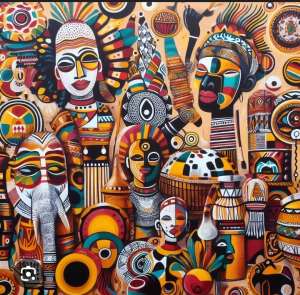
Africa's rich history, culture, and heritage are often underappreciated, both within the continent and globally. This lack of awareness has hindered the continent's development, unlike countries like China and India, which have leveraged their cultural heritage to drive economic and social progress. As President John Dramani Mahama's administration prepares to appoint a new Minister for Culture, it is crucial to address this issue and implement strategies to reclaim and promote African heritage.
Historical Context
Africa is home to some of the world's oldest civilizations, including ancient Egypt, Nubia, and the Mali Empire. These civilizations contributed significantly to global knowledge in areas such as writing, architecture, mathematics, and trade. However, the colonial era disrupted these cultural and historical narratives, leading to a loss of identity and heritage. Post-independence, many African nations struggled to rebuild their cultural heritage, often prioritizing economic development over cultural preservation.
Current Challenges
Despite the rich cultural heritage, many Africans are unaware of their history and traditions. This lack of knowledge is partly due to the education system, which often neglects African history and culture in favor of Western-centric curricula. Additionally, the influence of globalization and modernization has led to the erosion of traditional practices and values.
Lessons from China and India
China and India have successfully integrated their cultural heritage into their development strategies. China's emphasis on Confucian values and traditional practices has played a significant role in its economic rise. Similarly, India's promotion of its diverse cultural heritage has contributed to its global cultural influence and economic growth.
Recommendations for the New Minister for Culture
1. Revamp the Education System: Introduce comprehensive curricula that emphasize African history, culture, and heritage from primary to tertiary levels. This will ensure that future generations are well-versed in their cultural identity.
2. Promote Cultural Tourism: Develop and promote cultural tourism initiatives that highlight Africa's rich heritage. This can generate revenue and create jobs while preserving cultural sites.
3. Support Local Artists and Cultural Practitioners: Provide funding and resources to local artists, musicians, and cultural practitioners to preserve and promote traditional arts and crafts.
4. Establish Cultural Centers and Museums: Build and maintain cultural centers and museums that showcase African history and heritage. These institutions can serve as educational hubs and tourist attractions.
5. Leverage Technology: Use digital platforms to document and share African cultural heritage. This can include virtual museums, online archives, and social media campaigns.
6. Collaborate with International Partners: Partner with international organizations and countries to promote African culture globally. This can include cultural exchange programs, exhibitions, and festivals.
7. Sustainable Elements for Youth: Develop programs that engage the youth in cultural activities, such as traditional music, dance, and storytelling. Encourage intergenerational dialogue to ensure that cultural knowledge is passed down. Introduce heritage clubs in schools to foster a sense of pride and identity among students.
In conclusion, reclaiming and promoting African history, culture, and heritage is essential for the continent's development. By learning from the successes of countries like China and India, Africa can leverage its rich cultural heritage to drive economic growth, social cohesion, and global influence. The new Minister for Culture has a crucial role to play in implementing these strategies and ensuring that Africa's cultural heritage is preserved and celebrated.
_Proverb: "The hen knows when it is dawn, but it leaves the crowing to the rooster."_
**Fusaini Isah Dogomba Saying**: "When the roots are deep, there is no reason to fear the wind."
This saying underscores the importance of a strong cultural foundation. By reclaiming and promoting our heritage, we can ensure a resilient and prosperous future for our youth and generations yet unborn. Through sustainable cultural initiatives, we can foster a sense of identity and pride that will drive development and unity in Africa.
#Retired Senior Citizen
Teshie-Nungua


 Don’t let speed of information become your judgement — Chief Justice tells new l...
 ‘Big Push’: Government assures contractors of prompt payments
 GES to develop plan to recover teaching time lost during teachers’ strike – Clem...
 Fire guts Kumasi Central Market near Aboabo Station
 'All human emotions': French astronaut Sophie Adenot's first words since returni...
 French astronaut recounts 'astonishing' emotions after return to Earth
 India's 'cockroach' movement chief detained ahead of major protest
 Strike suspended, but negotiations for teachers’ benefits not over — GNAT
 CSA rejects FBI claims, insists Ghana led cybercrime operation
 Govt suspends enforcement of ban on preaching in moving vehicles


