




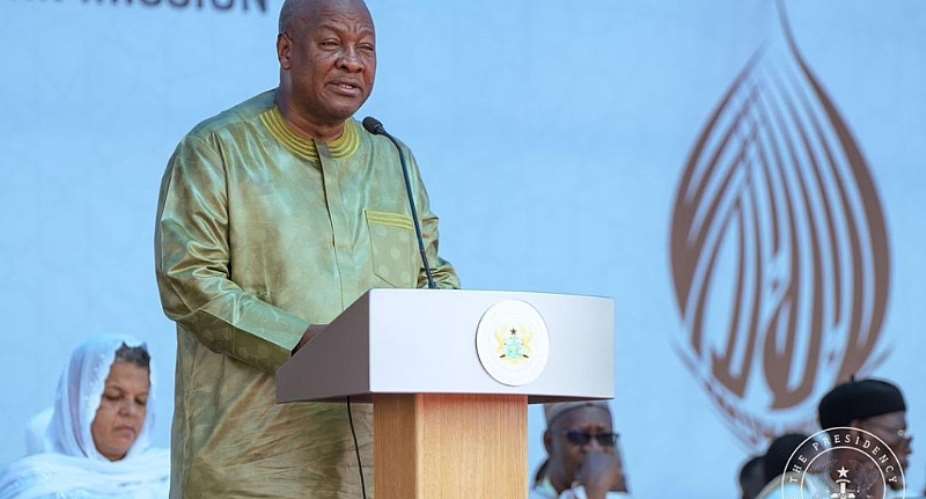
President John Dramani Mahama’s restructuring of Ghana’s civil service under the Civil Service (Ministries) Instrument, 2025, reflects a bold and strategic redefinition of governance aimed at improving efficiency, reducing costs, and enhancing policy coherence. By reducing the number of ministries from 30, under the administration of former President Nana Akufo-Addo, to 23, President Mahama has set the tone for a leaner government better equipped to meet the nation’s pressing needs.
This reduction in the number of ministries is a thoughtful response to concerns about excessive bureaucratic layers and inefficient governance structures. Merging critical portfolios, such as Communication and Technology into the newly created Ministry of Communication, Digital Technology, and Innovations, is designed to improve coordination and drive a cohesive digital agenda. Similarly, consolidating the functions of labor, jobs, and employment into a single ministry ensures a more integrated approach to addressing employment challenges. A particularly noteworthy addition is the Ministry of Energy and Green Transition, which combines traditional energy oversight with renewable energy promotion, signaling a forward-looking stance on energy sustainability and environmental stewardship.
Recognizing the unique challenges faced by Ghana’s youth, President Mahama has introduced the Ministry of Youth Development and Empowerment, which will focus exclusively on tackling youth unemployment, skills training, and entrepreneurial development. This decision underscores the administration’s commitment to creating opportunities for young people and driving inclusive growth. Additionally, the establishment of a separate Ministry of Sports and Recreation is expected to promote the development of sports infrastructure and recreational facilities. The Ministry of Environment, Science, and Technology further reflects the government’s determination to integrate environmental concerns with technological advancement, ensuring that national development remains sustainable.
In a bold departure from past practices, President Mahama has promised to limit the number of ministerial appointments to 60. Even more significantly, he has pledged that no political appointee under his administration will be entitled to ex-gratia payments at the end of their tenure. This unprecedented commitment to abolish ex-gratia for appointees directly addresses public concerns over the rising cost of governance and seeks to restore confidence in political leadership. Should this promise be implemented effectively, it could yield significant fiscal savings while promoting a culture of selfless public service.
To further enhance governance efficiency, a recommendation has been made to appoint deputies only for ministers who are also Members of Parliament. Given that MPs serve a dual role in representing their constituencies and managing ministerial duties, deputies can provide crucial support in ensuring that both responsibilities are effectively discharged. In contrast, non-MP ministers, who are appointed based on their technical expertise, would not require deputies, as their sole focus would be on policy implementation. This approach would contribute to a streamlined government structure while curbing unnecessary administrative costs.
The financial implications of these reforms are significant. A government structure with fewer ministries, a reduced number of deputies, and the abolition of ex-gratia could lead to substantial cost savings, easing the burden on the national budget. With the country facing economic challenges, including high public debt and inflation, this approach offers a pragmatic solution to reducing government expenditure while ensuring that resources are channeled toward priority areas. Beyond the immediate fiscal benefits, these reforms are likely to foster greater public confidence in the government’s commitment to prudent financial management.
The introduction of specialized ministries, particularly those focusing on youth empowerment and energy transition, positions Ghana to tackle key national challenges more effectively. These ministries are expected to develop and implement targeted policies that will drive job creation, foster innovation, and promote sustainable development, ultimately contributing to long-term national progress.
In conclusion, President Mahama’s governance reforms mark a clear and deliberate shift from the previous administration’s approach. His decision to streamline government, eliminate ex-gratia for political appointees, and introduce ministries focused on emerging national priorities demonstrates a leadership style that is both responsive and forward-thinking. If implemented with the necessary political will and institutional support, these changes have the potential to redefine governance in Ghana, ensuring that it remains efficient, accountable, and aligned with the aspirations of its citizens. In an era where public trust in political leadership is paramount, these reforms offer a renewed sense of hope for a future built on transparency, fiscal responsibility, and inclusive growth.
By Mileba Godwin Kwame


 Government targets GH¢15.38bn domestic financing in Q4 to support 2027 bond buyb...
 Obuasi SHTS sex scandal: GES to ban teachers from inviting students to bungalows...
 Adwoa Safo to contest Dome-Kwabenya parliamentary seat again
 UG directs students with CGPA below 1.00 to go home
 Uganda Revenue Authority delegation visits TOR to understudy Ghana’s oil refinin...
 Attorney-General appeals ruling halting trial of former Buffer Stock CEO, wife
 NAIMOS destroys 1,970 changfans, 863 Illegal mining structures in three months —...
 Let's see how Asiedu Nketia becomes NDC flagbearer with same people he conspired...
 Obuasi SHTS sexual abuse: 'GES must distant itself, allow the law to work' — For...
 Upper East: Fear grips nine Kusaug communities over mysterious fish deaths in da...


