




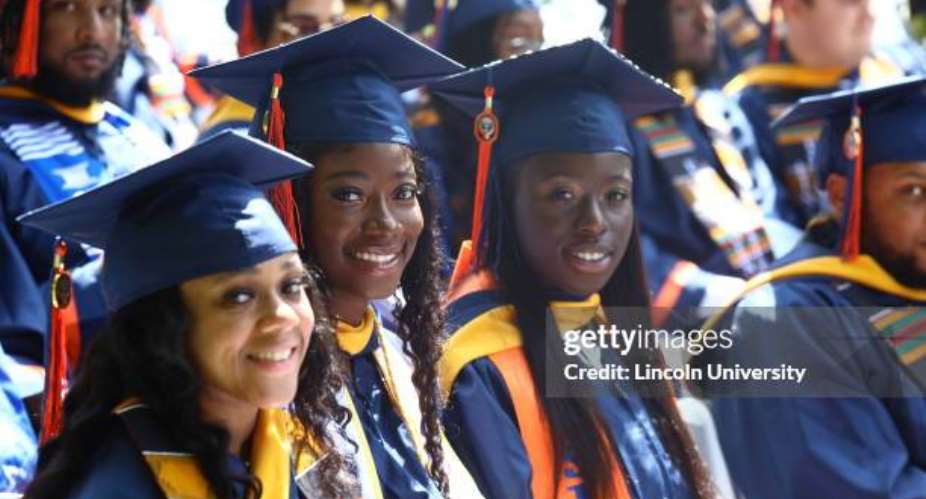
In recent years, there has been a growing concern about the quality of graduates emerging from Ghanaian universities. While these institutions are undoubtedly pivotal in shaping the nation’s intellectual and professional future, many employers and education stakeholders have expressed frustration over the skills and competencies of recent graduates. From poor language proficiency to a lack of industry-relevant skills, the current state of higher education is raising alarm bells about its future sustainability. A major contributing factor to these challenges lies in the very foundation of higher education, its teaching personnel. Unfortunately, the root of this problem can be traced back to a series of failures on the part of the Ghana Tertiary Education Commission (GTEC), which oversees academic standards in the country.
The Relaxation of GTEC’s Own Rules
The Ghana Tertiary Education Commission (GTEC) stipulates that the minimum academic qualification for lecturers at the university level is a Master of Philosophy (MPhil), with a PhD being the highest qualification needed to teach in a university. These rules are essential for maintaining high academic standards in the tertiary education sector, as they ensure that lecturers possess the requisite expertise, academic rigour, and pedagogical skills to impart knowledge effectively. However, over the years, it appears that GTEC has relaxed its own guidelines, allowing universities to employ teaching personnel without MPhils or PhDs, or with questionable qualifications.
This weakening of academic standards is deeply concerning. When universities hire lecturers without the proper qualifications, it undermines the credibility of the entire educational system. More worryingly, it perpetuates a culture of mediocrity, where subpar teaching becomes the norm rather than the exception. The very individuals who are supposed to nurture the intellectual capacities of students are, in fact, less qualified than the students they are teaching. This creates a vicious cycle: students receive inadequate training, and as a result, they enter the job market unprepared, further eroding the reputation of Ghana’s university education both locally and internationally.
There is also a growing trend where some lecturers, especially in the public universities, lack the industry experience necessary to teach programmes that are aligned with the real-world needs of employers. Many of these individuals, despite their advanced degrees, have limited exposure to the demands of the job market, making them ill-equipped to equip their students with the practical skills required in today's competitive job market.
A Global Perspective
The global landscape of higher education is increasingly competitive. International students, academic partnerships, and research collaborations are key factors in positioning a country's higher education system on the global stage. Ghana, as a developing nation, has long viewed higher education as an essential tool for national development and global recognition. However, when the quality of education starts to erode, it has serious consequences for the nation’s reputation.
In the global rankings, Ghanaian universities have failed to make significant strides. Though there are exceptions, such as the University of Cape Coast, the University of Ghana, Kwame Nkrumah University of Science and Technology which have occasionally appeared in global rankings, the overall standard of education in many Ghanaian universities remains below expectations. This is in stark contrast to countries that have prioritized the qualification and industry experience of their academic staff. Ghana’s educational system risks being perceived as substandard if the lax enforcement of qualifications continues.
International students and academic professionals who may have once considered Ghana as a viable academic destination may begin to look elsewhere. This has long-term implications, not just for the reputation of Ghana’s universities, but for the broader economy. Universities are essential engines of research, innovation and intellectual exchange, and without a proper investment in quality teaching, Ghana’s future as an academic hub will be in jeopardy.
The Need for GTEC to Wake Up from Slumber
The Ghana Tertiary Education Commission (GTEC) must take responsibility for ensuring that the standards of higher education are maintained. GTEC has a pivotal role to play in upholding the integrity of Ghana’s university system. If universities are allowed to continue hiring poorly qualified lecturers, then the system as a whole will suffer. It is high time that GTEC cracks the whip and enforces the regulations that have been put in place to ensure academic quality.
If GTEC is serious about elevating the standards of Ghanaian universities, it must begin by conducting a comprehensive review of the current faculty in both public and private institutions. It should also strengthen its oversight mechanisms to ensure that no lecturer is allowed to teach without meeting the necessary academic and professional requirements. This is not just a matter of academic standards; it is a matter of national pride and future prosperity.
Furthermore, GTEC should provide more support to universities in terms of professional development. This includes creating opportunities for existing faculty members to obtain further qualifications and industry experience. In a rapidly changing world, continuous learning is key. Therefore, providing lecturers with the tools to stay relevant in their respective fields will not only benefit the lecturers themselves but also their students, who will have the opportunity to learn from educators who are at the cutting edge of their disciplines.
Universities Must Design Programmes That Align with Industry Needs
While GTEC’s lax oversight is certainly a contributing factor to the current state of university education, universities themselves must also take responsibility for ensuring that their programmes are aligned with the evolving needs of the job market. Too often, universities are out of touch with the demands of employers. The programmes they offer may be outdated or irrelevant, and this disconnect leads to a mismatch between the skills that graduates possess and the skills that employers are seeking.
For example, many graduates emerge from university with degrees in fields that have limited job prospects. Others, particularly those who graduate from the arts and humanities, find themselves struggling to secure employment because the programmes they studied do not equip them with practical skills needed in the workforce. In this regard, universities must engage with industry leaders, employers, and professional organizations to design curricula that reflect the changing needs of the job market.
The need for this alignment is particularly urgent in today’s fast-paced, technology-driven economy. Programmes in fields such as engineering, computer science, business, and health sciences must be updated regularly to ensure that students are equipped with the knowledge and practical skills required by employers. Besides, universities must place greater emphasis on work-integrated learning, internships, and apprenticeships, allowing students to gain hands-on experience before they graduate.
Conclusion
The current state of university education in Ghana is cause for concern, and the relaxation of GTEC’s own rules regarding lecturer qualifications is a significant factor contributing to the decline in quality. Without stringent enforcement of academic qualifications and industry experience, the reputation of Ghanaian universities on the global stage will continue to suffer. GTEC must rise to the occasion and take swift action to ensure that the country’s higher education system meets the highest standards of academic excellence.
At the same time, universities themselves must take a more proactive approach to align their programmes with the needs of the job market. Only through this collaborative effort can Ghana improve the quality of its graduates and ensure that they are well-prepared for the challenges of the future. It is time for GTEC to crack the whip and for universities to overhaul their curricula to ensure that Ghana’s higher education system is fit for purpose in the 21st century. The future of Ghana’s workforce depends on it.
The writer is a journalist, columnist specializing in international affairs, PR expert, and journalism lecturer with a PhD in Journalism and expertise in global diplomacy and foreign policy. Email: [email protected]


 John Boadu wins NPP national chairman position as new national executives emerge
 NPP elects John Boadu as National Chairman
 NPP elects Boadu Chairman, Kodua retains General Secretary
 Ghana gaining notoriety for cocaine — Bawumia
 Bawumia exposes NDC's ‘scam’ promises to Ghanaians
 NPP chairmanship: Sammy Crabbe backs John Boadu in last-minute show
 EOCO detention won't stop me from representing Salomey – Baffour Awuah
 NPP’s focus is to reclaim power in 2028 — Osahen Afenyo-Markin
 NPP must put aside differences, unite to rebuild party – Odeneho Kwaku Appiah
 NPP delegates approve 14 constitutional amendment motions


