




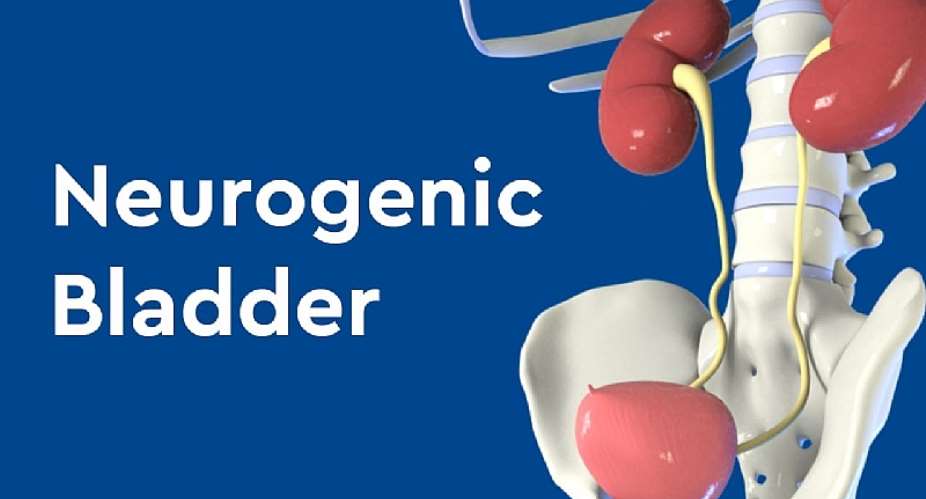
As health care providers, we deal with a wide range of illnesses that impact our bodies' complex systems. One such illness that greatly affects people's life and is complex enough to require understanding, care, and proactive management is neurogenic bladder. The complex coordination between the brain, spinal cord, and bladder muscles that makes up the urine system is quite amazing. When the nerves that regulate bladder function are damaged or malfunction, the result is a neurogenic bladder. Spinal cord injuries, neurological illnesses such as multiple sclerosis, Parkinson's disease, stroke, or birth defects like spina bifida are some of the causes of this disruption.
A disturbance in the regular accumulation and excretion of urine, resulting in various symptoms, is the distinguishing feature of Neurogenic Bladder. While some people deal with pee retention, which can be uncomfortable and increase the risk of UTIs, others may develop urinary incontinence. These difficulties frequently have an effect on a person's emotional health, social interactions, and overall quality of life. A multidisciplinary approach combining medical professionals, rehabilitation specialists, and patients themselves is necessary for managing neurogenic bladder. After a careful assessment of the underlying reason, the intensity of symptoms, and how they affect day-to-day functioning, customized therapy regimens are developed.
Treatment plans may include a range of techniques, such as bladder function-regulating drugs, intermittent catheterization to guarantee adequate bladder emptying, behavioral changes, and, in certain situations, surgical procedures. Furthermore, enhancing bladder function and fostering independence are crucial outcomes of rehabilitation strategies and lifestyle modifications. But in addition to medical treatments, social networks and education are essential components of neurogenic bladder management. Understanding the illness, its effects, and developing useful coping mechanisms are extremely beneficial to patients, caregivers, and families.
Moreover, there is always hope for better therapies and results for those with neurogenic bladder thanks to ongoing research and technology breakthroughs. Advances in the fields of neurology, urology, and assistive devices have the potential to improve the lives of individuals impacted by this illness. Most importantly, it is essential that we promote awareness and understanding in our communities. By raising awareness about Neurogenic Bladder, we may lessen its stigma, support early diagnosis, and foster inclusivity and assistance for those who are dealing with the illness.
As medical experts, we are dedicated to helping people live happy, meaningful lives in spite of health obstacles, not only curing illnesses. By working together, providing empathy, information, and teamwork in healthcare, we can assist people with neurogenic bladder in navigating their path to better bladder health and general wellbeing. In summary, neurogenic bladder is a complex illness that necessitates a multimodal strategy to treatment. Through the integration of medical proficiency, patient involvement, and community backing, we can create opportunities for enhanced results and a better standard of living for everyone impacted.


 YEA deploys over 11,700 youth under Community Police Assistant Model – Basintale
 Parliament’s Human Rights Committee demands swift investigations in Obuasi SHTS ...
 'Let the law take its course' – Veep on Obuasi SHTS sexual abuse allegations
 Obuasi SHTS sex scandal: 'The powerful ride the law to trample the weak' – Kofi ...
 19-year-old remanded over alleged fatal stabbing of boyfriend at Ofankor
 Woes of SHTS Headmaster deepen as he resigns as old students’ chairman
 'NPP has 35 NDC scandals to drop from now till 2028 elections' — Sammi Awuku
 'NDC will pay for Obuasi SHTS sex scandal' – Sammi Awuku warns
 Use of hormonal contraceptives linked to increased breast cancer risks – Doctor ...
 ECOWAS deepens EU cooperation to improve disaster response in West Africa


