




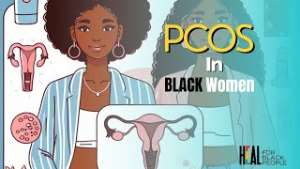
Navigating Polycystic Ovary Syndrome often feels like finding my way through a complex maze. Because the condition is closely tied to insulin resistance, hormonal imbalances, and chronic low grade inflammation, my everyday choices from what goes on my plate to how I move my body play a powerful role in my overall well being.
For those walking this path, experts offer vital insights into structuring a PCOS friendly lifestyle, focusing on smart protein choices, cutting out processed foods, swapping refined sugars, and incorporating intentional daily movement.
1. The Core of a PCOS Friendly Plate
From a clinical perspective, the primary nutritional goal in managing PCOS is to stabilize blood sugar and insulin levels. When insulin spikes, the ovaries are stimulated to produce excess androgens (male hormones), which can trigger fatigue, stubborn breakouts, and cycle irregularities.
Endocrinologists and dietitians recommend structuring meals around:
- High Fiber Carbohydrates: Non starchy vegetables, leafy greens, legumes, and whole grains that digest slowly and prevent sharp glucose spikes. Healthy Fats: Avocados, olive oil, nuts, and seeds, which support hormone production and promote satiety. Anti Inflammatory Foods: Berries, turmeric, fatty fish, and leafy greens to help soothe chronic inflammation.
2. Why Experts Recommend Steering Clear of Red Meat
Many healthcare professionals advise limiting or avoiding red meat (such as beef, lamb, and pork) when managing PCOS. Clinical rationale for this guidance includes:
- Insulin Resistance and Inflammation: Red meat, particularly fatty and processed cuts, contains high levels of saturated fats that can exacerbate insulin resistance and systemic inflammation. Hormonal Influence: Conventionally raised red meat may carry trace hormones that interfere with an already sensitive endocrine system. Cardiovascular Risk: Because women with PCOS face an elevated long term risk for cardiovascular disease, keeping saturated fat intake in check is a key preventive measure.
3. Exploring Dietary Styles: Vegan, Vegetarian, Pescatarian, and Lean Meat
There is no single right dietary prescription for PCOS; nutritionists emphasize that several eating patterns can be adapted successfully:
"Transitioning to whole, minimally processed ingredients allows the body to draw steady, predictable energy from meals."
Ultra processed and fast foods are among the most disruptive elements for metabolic health in PCOS. Medical experts point out that they are typically dense in:
5. Finding Alternative Sugars
To avoid sharp glycemic fluctuations, specialists recommend replacing traditional table sugar with alternatives that have a low glycemic index (GI):
Note on Natural Syrups: Honey, maple syrup, and agave are less processed than white sugar, but they are still rapidly metabolized into glucose and fructose, meaning experts advise using them sparingly.
6. The Prescription for Daily Exercise
Exercise is a cornerstone of PCOS management, but clinical guidelines emphasize exercising strategically rather than exhaustively. High intensity workouts can elevate cortisol, the stress hormone, which may worsen PCOS symptoms.
Instead, movement specialists recommend daily, intentional physical activity:
Consistency remains the most effective strategy for managing energy, supporting metabolic health, and balancing hormones over time.
- Plant Based (Vegan and Vegetarian): Naturally rich in fiber, antioxidants, and anti inflammatory nutrients, making them exceptional for improving insulin sensitivity. Clinical consideration: Requires careful pairing of plant proteins (beans, lentils, quinoa, tofu) and monitoring of iron, zinc, and Vitamin B12 levels. Pescatarian: Combines plant foods with fish (such as salmon, sardines, and mackerel), delivering high amounts of omega 3 fatty acids, which are clinically proven to lower inflammation and protect cardiovascular health. Lean Meat and Poultry: For those who prefer animal protein, transitioning away from red meat toward skinless poultry and wild caught fish provides high quality protein without the heavy saturated fat burden.
- Refined carbohydrates and added sugars: Provoke rapid, steep glucose spikes, driving excessive insulin release and hormonal imbalance. Trans and industrial fats: Amplify internal inflammation and worsen metabolic markers. Sodium and chemical additives: Contribute to fluid retention, bloating, and sluggish digestion.
- Stevia: A natural, zero calorie sweetener derived from the Stevia rebaudiana plant that has a neutral effect on blood sugar. Monk Fruit Extract: Calorie free and rich in antioxidant mogrosides, exerting a negligible effect on blood glucose. Erythritol or Allulose: Sugar alcohols and rare sugars that replicate the taste and texture of sugar with minimal glycemic impact (best consumed in moderation for digestive comfort).
- Strength Training: Lifting weights 2 to 3 times a week builds lean muscle mass, which directly enhances the body's sensitivity to insulin. Low Impact Steady State (LISS): Activities like brisk walking or cycling elevate the heart rate safely without triggering excessive cortisol release. Pilates: This modality helps lower stress hormones while building core stability and flexibility.


 Bawumia eyes 3R's Japanese tech that removes mercury, cleans soil and recycles w...
 'Our borders must command respect' – Osahen Afenyo-Markin on cocaine busts
 ‘Govt deeply involved in Beirut cocaine bust’ — Kofi Bentil reveals
 Ablakwa sues Benghazi, Media General over Fantana affair, corruption allegations
 Mahama instructs Finance Ministry to pay striking JUSAG members from November
 Mahama must sign same anti-gay bill NDC backed in opposition – Osahen Afenyo-Mar...
 Romance Scam: Asante Akyem North MP's extradition hearing set for November 18
 JUSAG accuses FWSC CEO of taking unilateral decisions in salary negotiations
 Police arrest three Nigerians over alleged bank customer robberies in Kumasi
 'Next week I will show how the new economy will turn the gains we have made into...


