




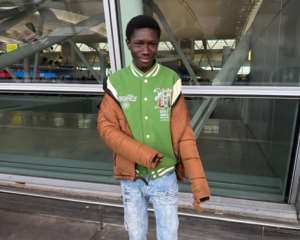
The death of Javits Frimpong has left me in tears. It has reopened wounds that I have carried for much of my life and reminded me of the devastating consequences of bullying, particularly for children navigating identity, belonging and life in a new country.
I remember leaving Ghana at the tender age of nine and experiencing ridiculous levels of bullying throughout primary and secondary school. I was bullied for my accent, for being polite, for caring about school, for being quiet and for being very dark-skinned, among a host of other things.
To some of these children, being Black meant being despicable. Their treatment made me want to bleach my skin. It affected my confidence, my friendships, my romantic relationships and so many other aspects of my life.
While those who terrorised me moved on with their lives, I have continued to heal from what they did. Even today, I experience panic attacks and struggle with anger and bitterness. I am working hard to surrender these feelings to God, but moving forward has not been easy.
This is why Javits's death has affected me so deeply.
Bullying can have devastating consequences. Some children lose their lives. Others are driven to take their own lives, have their confidence and futures destroyed, or find themselves seeking protection and belonging in gangs. Some survive and grow into adults, but survival does not mean they escape the consequences.
Seeing the image of this defenseless young boy and hearing about his experiences brought many of us to tears. It also prompted people, including Michael Blackson, Bozoma Saint John, cultural leaders such as Samankwahene's granddaughter Vanessa Henson, and many others, to speak publicly about the pain they experienced while trying to navigate life in a new country and find a sense of belonging.
For many of us, hearing these stories was important because it made us realise that we were not alone.
Navigating Diaspora Dynamics and Shared Pain
I did not grow up in America, but in the United Kingdom, so I cannot speak authoritatively about the dynamics between Black Americans and Africans in American schools.
In my own experience, Caribbean children were the kindest Black group towards me.
I was also bullied by some white children and children from other backgrounds. However, much of the bullying I experienced came from Ghanaian girls born abroad in different European countries, including France and Germany. Some boys born in England also bullied me, as did one boy from Nigeria, alongside their cheerleaders from other African countries at school.
Even some of the girls were older and had come from African countries, including one from Ghana. There was also a Zimbabwean, among others.
In other words, many of those who bullied me were Africans. Some came from my own community, which made the experience particularly painful. Sadly, some older adults and even their older children also participated.
However, I also had beautiful relationships with other Ghanaians in the community. I do not want to paint everyone with the same brush.
I remember seeing a woman on Twitter who also shared that her brother had been bullied by Ghanaian children. Elsewhere online, people have shared experiences of being bullied by other Black ethnic groups for being Black African, while others have spoken about being bullied by Black Africans because they belong to a different ethnicity.
This is deeply saddening. We are all one, and our differences should never become reasons to mistreat one another.
I cannot stop crying when I see Javits's father or the image of that innocent young boy. A child's life has been lost. For what?
A Pattern That Persists: How We Must Respond
For me, the bullying did not end with childhood.
At university, I cut off one girl, also Ghanaian but born in Norway, who constantly tried to upset me, imitate me and taunt me.
Later, a Caribbean girl also tried to bully me. It was the first time I had experienced bullying from someone Caribbean, as I had generally enjoyed wonderful relationships with Caribbean people. However, by then, I knew how to stand up for myself.
In my early twenties, I was also bullied by a Ghanaian society group whose members had come from Ghana. They took issue with how Westernised I was, among other things. By that stage, however, I knew how to stand my ground.
Even now, following Javits's death, some Ghanaians have taken to social media to blame his father for raising his son in the Bronx. Others have circulated allegations about the father's personal life, including claims about other vices or children, effectively subjecting a grieving parent to further online bullying.
Why do we do this? Why is our instinct sometimes to find reasons to blame the victim or their family rather than confront the behaviour that caused the suffering?
I have never gone this deeply into my experiences before, but this has hurt me profoundly. Today, I am choosing to use my pen to tell my story.
Bullying exists in every culture, every nationality and every community. Bullying someone because they are different is wrong. Let people live.
Parents also need to recognise that some children learn bullying behaviour at home. Some parents are bullies themselves, and their children grow up seeing nothing wrong with such behaviour.
If your child is being bullied, whether by children from your own ethnic community or another, please do not dismiss it or simply tell them to fight back.
As a parent, you must advocate for your child. Take the matter up with the school, approach the school governors, seek support from anti-bullying charities and involve social services where appropriate. Do not be afraid to challenge institutions that fail to protect your child.
And if you are an adult experiencing bullying, I wish I had understood this earlier: sometimes, the healthiest thing you can do is walk away. Cut contact. Block people. Protect your peace. Some adults never outgrow their bullying behaviour, and they may even attempt to make you look like the villain when you finally stand up for yourself.
But you do not have to remain in environments where people repeatedly undermine your dignity.
Children deserve to grow up feeling safe, accepted and valued. They should not have to change their accents, their skin colour, their personalities or their cultural identities to earn the right to belong.
Rest in peace, Javits. May God comfort your father and the rest of your family.


 'Atmosphere of fear': Trump moves to curtail voting rights ahead of the midterms
 Flavio Bolsonaro posts video, says he fled Brazil due to ‘persecution’
 Uncle and niece shot dead over alleged GH¢500,000 debt; woman arrested
 Minister spotlights emerging security threats in Bono region
 NDC must accept same scrutiny demanded under Akufo-Addo — Afenyo-Markin
 Military commended for preparedness exhibited at Land Combat and Firepower Demon...
 Police arrest man with 91 parcels of suspected Indian hemp at Circle bus termina...
 How the record-breaking $6.3 billion heist in crypto history unfolded
 NPP's new parliamentary aspirant selection process designed to favour Bawumia lo...
 ECOWAS steps up regional efforts to address climate-induced migration


