




Introduction
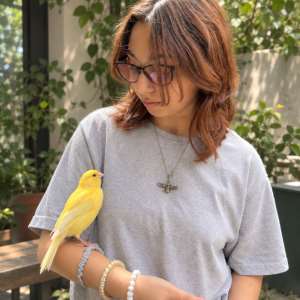
The Canary (Serinus canaria) originates from the Canary Islands, Azores, and Madeira. Adults measure 4–8 inches and weigh less than 1 ounce. Their lifespan ranges from 5 to 15 years. These small birds became popular cage birds after Spanish sailors brought the wild green‑and‑yellow Atlantic finch from the Canary Islands to Europe in the 15th century.
The first human–finch relationship is believed to have begun in the 1360s, when Java Sparrows (Padda oryzivora) were kept as pets during China’s First Ming Dynasty.
Wild canaries have grey‑brown striped plumage on their back, neck, wings, and tail, with dull yellowish‑green breasts. Domestic canaries fall into three main groups: song canaries, colour‑bred canaries, and type canaries, with colour mutations such as red, yellow, and pink. Understanding their natural behaviour is essential for providing proper care in captivity and ensuring both physical and psychological well‑being.
Natural Habitat & Behaviour
Habitat & Diet – Wild
Canaries live in the Canary Islands, Azores, and Madeira. Their natural environment includes open woodlands, shrublands, grasslands, forest edges, and agricultural areas. Dense vegetation—grasses, shrubs, trees, and seed‑producing plants—provides both food and shelter.
They thrive in warm, mild climates with seasonal rainfall. Wild canaries spend much of their time moving between feeding, drinking, resting, and nesting sites. They live on trees and shrubs that offer protection and hiding spaces from predators such as falcons and arboreal snakes.
Their diet consists mainly of seeds and insects. Sorghum and green millet are husked and eaten readily, often taken from cultivated fields. To reach seeds at the tips of plants, canaries may land mid‑stalk and pin the plant to the ground. They also eat fruits and berries when available.
Habitat & Diet – Captivity
Canaries are delicate, sensitive finches that require careful management in captivity. They should be kept in a quiet environment, as loud sounds and sudden movements can cause stress. Unnecessary handling should be avoided because they are fragile and may panic easily. Male canaries are territorial and usually prefer to live alone.
The cage should be spacious enough for flying, with perches of different sizes and textures—natural branches are ideal. Good ventilation is important. A humidity level of 35–45% is comfortable, and extreme heat or cold should be avoided.
A balanced diet is essential. Seeds should be available regularly, along with soft food made from soaked moong, niger seeds, and oats mixed with boiled egg, turmeric, and rusk. Small mealworms can be provided as live feed. Fruits and vegetables such as apple, cucumber, and broccoli can be offered as enrichment. Crushed cuttlefish bone supplies calcium.
Hygiene is crucial. Food and water bowls should be cleaned daily. Cages should be cleaned every two weeks, and perches whenever dirty. Bathing water with bathing salt can be provided on alternate days depending on the weather. Regular observation, proper nutrition, cleanliness, and a calm environment are essential for keeping canaries healthy and comfortable.
Behaviour
Canaries are diurnal, meaning they are active during daylight hours. Throughout the day they feed, preen, and bathe—activities essential for maintaining physical and mental health. Male song canaries are especially popular for their singing. Females primarily chirp, while males develop elaborate songs. During molting, canaries typically do not sing. They are naturally active birds.
How Do You Know if They Are Unwell?
Canary health problems often begin with poor cage conditions or an improper diet. Sick birds may lose weight, appear dull, and become inactive. A common sign of illness is sitting quietly in a corner.
They are sensitive to air quality. Canaries may develop bumblefoot, an infection that causes swelling and lesions; severe cases can be fatal. They are also prone to infections caused by viruses, fungi, and bacteria. Treatable bacterial infections include avian gastric yeast and chlamydia.
Nest Box Requirements
Nest Box / Nest Cup Requirements
Canaries build their own nests using provided materials. They prefer hemispherical (cup‑shaped) or half‑open designs; enclosed boxes are usually ignored. Nest cups should be soft, natural, and tightly woven to prevent toes from getting caught. Avoid stiff bamboo types, which can cause injuries.
An ideal nest basket is 4–5 inches (10–12 cm) in diameter and 2–3 inches deep, allowing the female to sit comfortably on her eggs. Install the nest cup high in the cage, as canaries naturally prefer elevated nesting sites for security.
Safe nesting materials include coconut husk/coir and short jute threads. All materials should be clean and placed near the cage bars so the birds can build their nest to their comfort.
Conclusion
Canaries may be small birds, but they have specific physical, behavioural, nutritional, and environmental needs that are essential for their welfare. Understanding how they live in the wild helps us provide better care in captivity.
Their natural behaviours—flying, feeding, singing, preening, bathing, exploring, and nest building—should be encouraged through appropriate enclosures and enrichment. Providing a spacious cage, balanced diet, clean water, proper hygiene, suitable temperature and humidity, enrichment, and safe nesting materials is vital for their health.
Regular observation helps identify signs of stress or illness early. With proper care, canaries can remain healthy, active, and able to express their natural behaviours.

 Mahama to cut sod for new 3,000-seater Accra Convention Centre – Felix Ofosu
 Kojo Bamba denies rift with Nana B, explains absence from NPP executives’ meetin...
 I was never asked to give up NPP 1st National Vice Chair position – Kojo Bamba
 October 7: Cedi sells at GHS12.30 on forex market, GHS11.81 on BoG interbank
 ECOWAS Parliament calls for stronger legislative role in regional integration
 We’ll impose $500m bail on NDC members when NPP returns to power – Abanga
 I have a strategy to win 70 'orphan' parliamentary seats for NPP in 2028 – Abang...
 Yellow fever outbreak kills seven in Sissala East
 ‘Don’t make Bolga Stadium project too ambitious’ — Gabriel Agambila cautions Upp...
 How Netanyahu survived the political fallout from the October 7 attacks


