




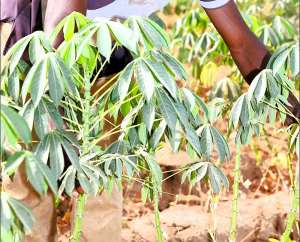
A research conducted at the University of Health and Allied Sciences (UHAS) has revealed that cassava leaves, a common ingredient in many Ghanaian meals, contain natural antioxidants that may help protect the body from damage caused by free radicals. The findings highlight the health value of a plant that is often appreciated mainly for its roots.
The study was carried out by final‑year Biochemistry and Molecular Biology student Mensah Klenam Shine under the supervision of Prof. Clement O. Tettey as part of the requirements for the award of a Bachelor of Science degree at UHAS.
According to the researcher, the study was undertaken because there is growing concern about oxidative stress, a condition that occurs when free radicals become too many in the body and begin to damage healthy cells. Scientists believe this damage may contribute to the development of diseases such as cancer, diabetes, heart disease, and other long‑term health conditions.
Free radicals are naturally produced in the body during normal activities such as breathing and digestion. However, factors including pollution, cigarette smoke, unhealthy eating habits, and exposure to harmful chemicals can increase their levels. When the body's natural defence system cannot control them, oxidative stress develops.
Antioxidants are substances that help neutralise free radicals before they cause serious damage to cells. Many fruits and vegetables contain antioxidants, and researchers around the world continue to search for affordable natural sources that can improve public health.
Although cassava is one of Ghana's most widely cultivated crops, most attention has traditionally focused on its roots, which are processed into foods such as gari, fufu, and kokonte. The leaves are also eaten in several communities, but their health benefits have received far less scientific attention.
The research therefore sought to determine whether cassava leaves possess antioxidant properties that could help protect the body against free radical damage. The researcher also wanted to provide scientific evidence that could support their traditional use as a healthy food.
To conduct the study, fresh cassava leaves were collected in Ho and transported to the laboratory. They were cleaned, air‑dried, processed, and carefully prepared before laboratory tests were carried out to evaluate their antioxidant activity.
The findings showed that cassava leaves contain several natural plant compounds that can act as antioxidants. These compounds help reduce the harmful effects of free radicals and protect body cells from damage.
The researcher observed that although the antioxidant effect of the cassava leaf extract was lower than that of vitamin C, the leaves consistently demonstrated protective activity against free radicals. This suggests that cassava leaves may serve as a valuable natural source of antioxidants when included in a balanced diet.
The study also found that cassava leaves are rich in natural plant substances that are believed to be responsible for their protective effects. These compounds work together to help strengthen the body's defence against harmful molecules that contribute to disease.
Speaking on the importance of the findings, the researcher said many people consume cassava leaves simply because they are affordable and readily available, without knowing that they may also provide important health benefits.
He explained that increasing public awareness of the health value of locally available foods could encourage healthier eating habits while reducing dependence on expensive imported food supplements.
The researcher further noted that Ghana is blessed with many indigenous plants whose medicinal and nutritional properties have not been fully explored. He believes greater investment in scientific research could reveal more affordable solutions to some public health challenges.
The study also adds to growing scientific evidence supporting the use of plant‑based antioxidants in promoting health and preventing disease. As interest in natural health products continues to grow worldwide, locally available plants such as cassava may become increasingly valuable.
Health experts have long encouraged the consumption of vegetables because they supply important nutrients and protective compounds needed by the body. The findings from this research reinforce that recommendation and suggest that cassava leaves deserve greater attention among consumers.
Beyond its nutritional importance, the researcher believes the findings could inspire further studies into the possible use of cassava leaves in developing natural health products, food supplements, and other products that promote wellness.
He recommended that future research should identify the specific compounds responsible for the antioxidant activity and investigate whether cassava leaves could provide additional health benefits beyond those identified in this study.
The research also highlights the need to support scientific studies on crops that are already widely grown in Ghana. Such studies could help increase the value of local agricultural products while creating new opportunities in health, food processing, and industry.
For many years, cassava leaves have been regarded mainly as a traditional vegetable served with local dishes. However, the findings from this UHAS research suggest that they may also play an important role in protecting the body against free radical damage and improving overall health.
As Ghana continues to promote healthier lifestyles and greater use of local resources, the study provides fresh evidence that everyday foods found in homes and farms may hold untapped health benefits waiting to be discovered through scientific research.

 Teachers, students killed in Thai school shooting near Bangkok
 Social media giant Meta ordered to pay $567 million in New Mexico child safety r...
 Bus explosion near Damascus kills at least two, injures 13
 Trump signs order in new bid to curb birthright citizenship
 Houthi rebels kill dozens of Saudi-backed Yemeni government forces
 “Democracy Under Attack” demo: ‘We will seek God’s direction, not vengeance’ — H...
 ‘I have not seen anything from EOCO’ - Miracles Aboagye reacts to his ‘frozen as...
 Democracy Under Attack demo: We must end the 'you do me, I do you' politics — Af...
 “Democracy Under Attack” demo: Nominating presidential staffer to receive our pe...
 'Don't underestimate NPP's comeback power' — Anthony Karbo tells NDC

