




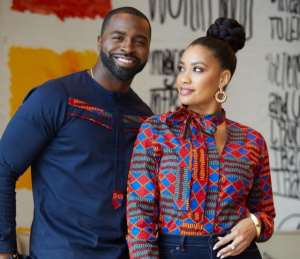
Black culture has the largest proportion of art, music and design, Africans often birth the innovation of popular culture trends So why isn’t the fashion industry on the continent blowing? The issue is as complex as the patterns of African prints.

“Africa only accounts for a small portion of the $1.5 trillion global fashion industry, with sub-Saharan Africa’s apparel and footwear market valued at $31bn according to Euromonitor. Although renewed creative ambition is vital to keeping African fashion on-trend, the challenges from weak supply chains, lack of international partners and substandard infrastructure need to be addressed promptly.”- Finbarr Toesland, African Business.
The world has seen what Africa has to offer and is overwhelmed but aside the showcasing and fashion shows and weeks, how do the clothing translate to sales.
Has African fashion found a sustainable market locally? Are all African brands and fashion houses striving to be represented outside the continent? These and many other questions we ask.
 akinkolifestyle-African Handmade Luxury Brand
Made in Ghana” or ,Made in Nigeria may not yet have the same standing as “Made in Uk” or “Made in Italy” but nonetheless the clothes,footwears and other fashion pieces made here in africa are of high quality and can compete with outside fashion giants like Alexander McQueen, Louis Vuitton,Prada just to name a few, most of this high profile brands look to Africa for inspiration and ideas.
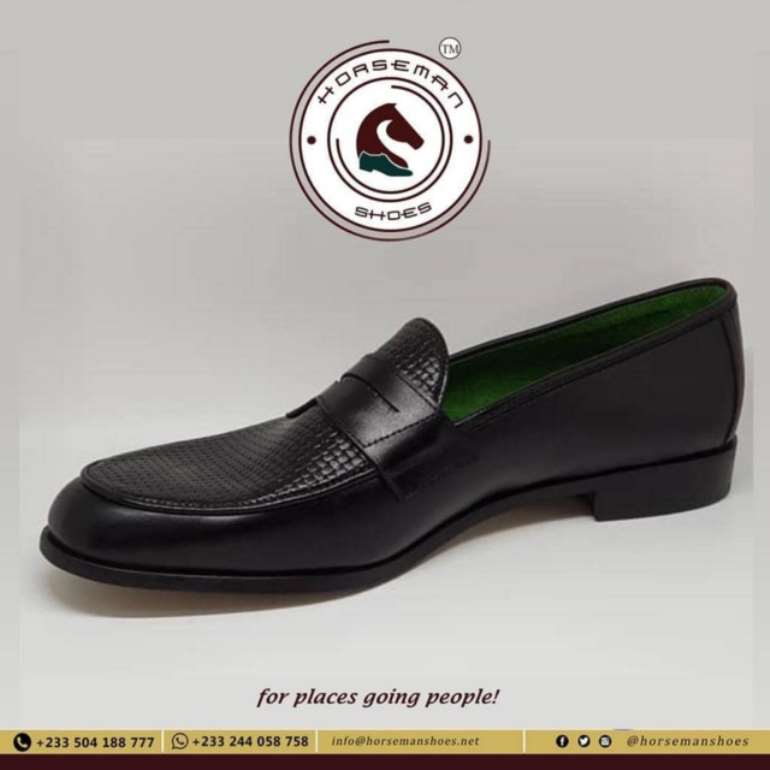 Horseman Shoes,Made In Ghana
 Designed By Ghanaian,Jeremiah Obuobi
Indeed, African designers are making bold fashion statements through the multipart patterns and colors they dare to work with. The fashion industry has the potential to create secured jobs for the African youths of today and tomorrow.
Africans need to put on the clothes made by their fellow citizens as a showcase of support and home pride”
 By Ghanaian watchmaker @tonythecaveman
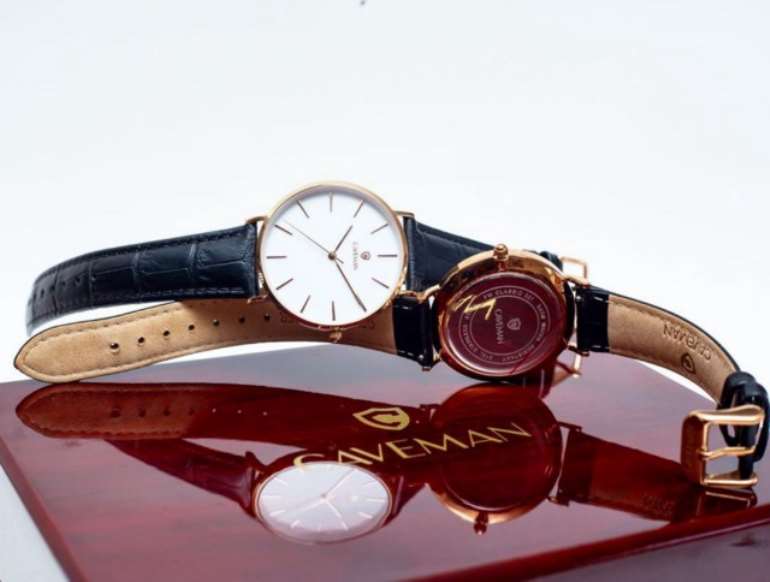 By Ghanaian watchmaker @tonythecaveman
governments across the African continent should set measures on the import of second-hand clothing from the West.The goal would be to stop relying on the West and boost local manufacturing and development instead because “about 70 percent of the clothing people are buying in Africa most expecially Ghana are second-hand clothes.
Currently the 21st century life has become connected to the internet, The rise of social media and e-commerce is especially relevant in the fashion industry and tapping into this can create a sustainable environment for fashion brands,designers and even textile suppliers.
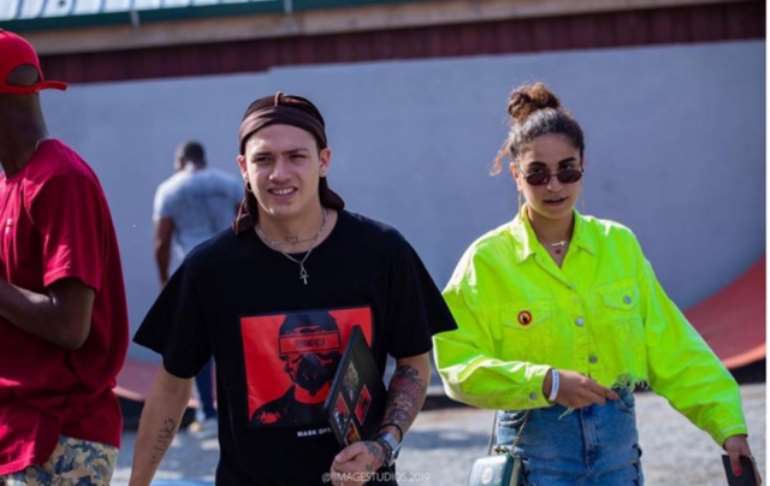
KULAPERRY GANAIAN|LUXURY SW DESIGNER
For African fashion, the way forward is to not compromise on quality and consistency.and also solid partnerships need to be built with international retailers, suppliers and consumers to create a sustainable Pan-African environment if brands ever hope to challenge the dominance of world-renowned labels like Prada and Givenchy.
Sista Ginna
Fashion And Lifestyle Blogger

 Trump and Iran's supreme leader trade threats as mediators try to save deal
 More than 1 million evacuated as Typhoon Bavi makes landfall in China
 Franklin Cudjoe urges Minister to intervene as Azumah Resources, E&P dispute hea...
 'They took the mud from the gutters and put them on the streets' – Kofi Bentil f...
 Susu Collector arraigned for allegedly defrauding 35 traders of GH¢156,455
 Migration dream turns sour as Ghanaian teacher battles debt and visa crisis in T...
 South Africa World Cup midfielder Jayden Adams dies aged 25
 Former Akan NPP PC pays GHS105,000 as T&T for 1,012 delegates ahead of constitue...
 One injured, three arrested as violence mars NPP Bantama Constituency elections
 GAC raises alarm over rising HIV infections among homosexuals in Bono Region


Comments
Interesting article and I see the concern. The main issue is two fold ... supply chain challenges and local and international demand With supply chain the fashion industry is one of the most complex systems out there. It's a machine so highly linked to agriculture that is what makes it so complicated. Within africa there is lack of machinery to translate the raw materials to finished materials and then goods. So limitation of what is available. Then a high majority of the raw goods are exported...