




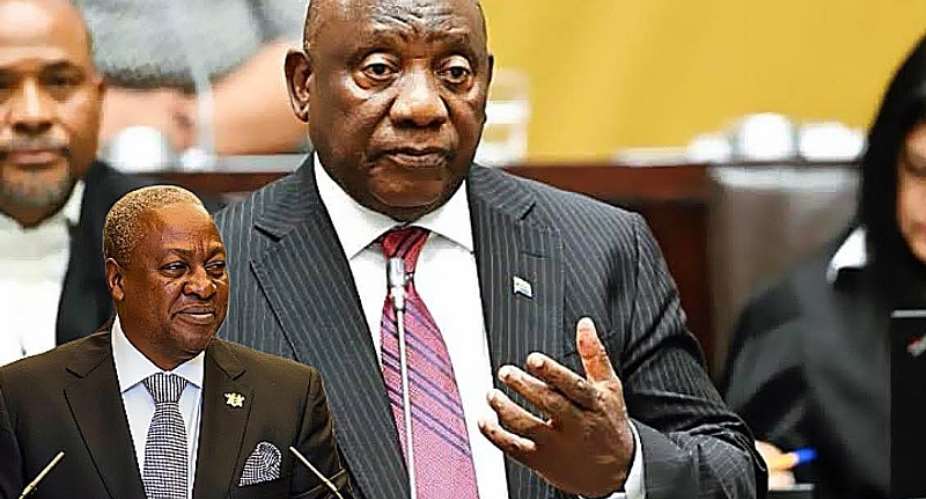
Across Southern Africa, a storm is brewing around a controversial and still-unconfirmed policy direction allegedly being considered by the government of South Africa: a system that would charge countries of origin such as Ghana and Nigeria for the costs associated with deporting their nationals found in violation of immigration laws.
At first glance, it sounds like a bureaucratic adjustment to rising migration costs. But beneath the surface lies a far more explosive question: Can migration enforcement be monetized between sovereign African states without triggering a diplomatic fracture?
And perhaps more critically is this a policy solution or the beginning of a continental blame game over mobility, poverty, and inequality?
Is This Policy Real or Politically Engineered Pressure?
According to circulating reports attributed to officials within South Africa’s Department of Home Affairs and the Department of International Relations and Cooperation, the idea is framed as cost recovery: detention, processing, and deportation expenses have reportedly strained public resources.
However, what remains unclear and what serious analysts are questioning is whether this is:
A formal policy already in drafting stage
A diplomatic negotiation tactic
Or political signaling aimed at domestic audiences frustrated with irregular migration
Because in policy terms, there is a massive difference between considering cost-sharing mechanisms and imposing charges on sovereign states for deportation enforcement.
The critical question nobody is asking loudly enough is:
Can one country legally invoice another for enforcing its own immigration laws on foreign nationals?
Historical Background: Migration Tensions Are Not New
The tensions underpinning this proposal are not new.
South Africa has long been one of Africa’s primary economic hubs, attracting migrants from across the continent due to:
Higher wages compared to many neighboring states
Stronger infrastructure and services
Urban job opportunities in mining, retail, and informal trade
But this has also created recurring friction:
Periodic xenophobic violence targeting African migrants
Political narratives linking unemployment to “foreign workers”
Strained relations with countries of origin during mass deportations
On the other side, countries like Ghana and Nigeria have consistently argued that their citizens abroad deserve protection and fair treatment, even when undocumented.
So the current debate is not emerging from nowhere it is the latest flashpoint in a decades-long tension between labor mobility and national sovereignty.
The Mind-Blowing Questions No One Wants to Ask
This proposal raises uncomfortable but necessary questions:
1. Who is actually responsible for undocumented migration?
Is it the migrant, the sending country, or the receiving economy that depends on migrant labor but refuses formal pathways?
2. If South Africa bills other countries, what stops retaliation?
Could Ghana or Nigeria respond by taxing South African businesses operating within their borders?
3. Is deportation becoming a business model?
If enforcement costs are transferred internationally, does immigration control shift from law enforcement to financial negotiation?
4. What happens to regional unity?
Can the African Union maintain free movement ambitions while member states are invoicing each other for border enforcement?
Legal and Diplomatic Fault Lines
From an international law perspective, the proposal sits in a gray zone.
States have the sovereign right to:
Control borders
Deport undocumented migrants
Enforce immigration law
But there is no widely recognized framework that allows one state to charge another state for deportation enforcement costs without a bilateral agreement.
This raises a deeper diplomatic concern:
Is South Africa redefining immigration enforcement as a shared financial burden rather than a sovereign responsibility?
If so, it could reshape how African states negotiate migration entirely.
Economic Reality: Who Actually Pays the Price?
Supporters of the proposal argue that deportation is expensive:
Detention facility costs
Transportation logistics
Administrative processing
Legal proceedings
But critics point out a more uncomfortable truth:
Migrants often fill essential labor gaps in construction, agriculture, domestic work, and informal trade sectors. Removing them has economic consequences that are rarely included in official cost calculations.
So another question emerges:
Is South Africa truly losing money from migration or is it managing a political narrative about pressure on public services?
Will South Africa “Win” This Policy Battle?
“Winning” depends on the definition:
If success means stricter immigration control:
South Africa may achieve tighter enforcement and more deportations.
If success means diplomatic stability:
It risks backlash from neighboring states and weakened regional trust.
If success means economic efficiency:
The outcome is uncertain, because deportation-heavy systems are often more expensive in the long term than regulated migration frameworks.
Potential Effects on Ghana, Nigeria, and Others
For countries like Ghana and Nigeria, the implications could include:
Increased diplomatic negotiations over repatriation protocols
Pressure to create stronger domestic employment systems
Possible tensions over perceived “export of unemployment”
Strained consular relations regarding detained nationals
But there is also a reverse effect:
If migration pathways tighten, remittances an important economic lifeline could be affected.
Who Will Champion South Africa’s Position?
The big unanswered question is: who will defend or mediate this policy if tensions escalate?
Possible actors include:
The African Union, as a continental mediator on free movement frameworks
The Southern African Development Community (SADC), which already manages regional cooperation
Bilateral diplomatic channels between South Africa and affected countries
But leadership remains uncertain, because no African regional body has previously enforced a financial model for deportation cooperation at scale.
The Bigger Picture: Migration, Inequality, and Political Reality
At its core, this debate is not just about borders.
It is about:
Unequal economic development across Africa
Labor demand in industrialized African economies
Political pressure from domestic unemployment
The limits of regional integration in practice
And perhaps the most uncomfortable truth:
Migration policy in Africa is increasingly becoming a mirror reflecting economic imbalance rather than just legal enforcement.
Final Thought: A Policy or a Warning Sign?
Whether this proposal becomes law, remains under discussion, or fades as political rhetoric, it has already achieved something significant: it has forced uncomfortable questions about responsibility, sovereignty, and shared regional burdens.
But the real question still lingers:
When African countries start billing each other for the consequences of inequality, are they solving migration or simply pricing it?
And in that tension lies the future of regional mobility, diplomacy, and trust across the continent.
By:
Patrick Belebang Yagsori
+233240292413
[email protected]
 KMA Deploys Vacuum Sweepers to Tackle Dust, Waste and Flooding in Kumasi
 UCC Probes Death of Level 200 Student Found at Hutchland Beach
 BoG Cracks Down on Crypto Dollar Wallets; Orders Banks to Cut Ties Immediately
 BoG Extends IMTO Registration Deadline to July 31 — Non‑Compliant Operators Face...
 Ato Forson Pushes for New ‘Auditors’ Court’ to Tackle Waste, Strengthen Accounta...
 Big Payout, Big Changes: MMMF Declares 30p Dividend, Endorses New Board
 C/R: Missing UCC student found dead at Hutchland Beach
 Man collapses and dies in front of pharmacy at Abura in Cape Coast
 Gov’t Should Have Anticipated Partey Visa Trouble — Asafo-Adjei Ayeh Fires
 Swiss Vote on Population Cap Sparks Fierce Immigration Debate Ahead of Sunday Re...


