




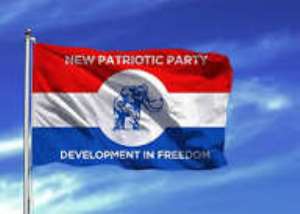
A vibrant democracy thrives on competition, accountability, and strong opposition. Ghana, once celebrated as a beacon of democracy in Africa, has long relied on its two-party system dominated by the National Democratic Congress (NDC) and the New Patriotic Party (NPP). But recent political dynamics raise serious concerns about the weakening state of opposition parties in the country. With the opposition now holding fewer seats in Parliament than ever before, and smaller parties fading into obscurity, Ghana’s democracy is being tested at its very core.
Historical Background: Opposition and the Fourth Republic
Since the return to constitutional rule in 1992, Ghana’s democracy has been anchored on the strength of opposition politics. In the early years of the Fourth Republic, the NDC dominated the political space, but the NPP gradually built momentum and became a credible challenger.
In 2000, Ghana witnessed its first peaceful transfer of power when the NPP defeated the NDC. That moment cemented the importance of a credible opposition in sustaining democracy.
Between 2000 and 2008, the NDC played its role as a watchdog, often rallying citizens against unpopular government decisions, before returning to power in 2008.
In 2016, the NPP capitalized on widespread dissatisfaction to defeat the NDC, again demonstrating that the presence of strong opposition gave Ghanaians real electoral alternatives.
This back-and-forth between the two main parties was evidence that Ghana’s democracy had matured beyond a one-party dominance. However, the situation after the 2024 general elections has raised red flags about the long-term health of opposition politics.
Current State of Opposition in Ghana
Just before the 2024 elections, the NDC had 137 out of 275 seats in Parliament, making it a formidable opposition that constantly checked the governing NPP. That balance gave democracy credibility—forcing the ruling party to justify policies, engage in debate, and compromise in Parliament.
Fast forward to today, and the numbers paint a different picture. With the opposition controlling less than one-third of seats, Ghana’s democracy now lacks a credible parliamentary opposition. The system of checks and balances is severely weakened, allowing the ruling party to dominate unchallenged.
This challenge is compounded by the winner-takes-all system, where the party that wins the presidential election controls nearly every aspect of governance, from ministerial positions to appointments in public institutions. In such an environment, the strength of democracy depends heavily on the size and vibrancy of the opposition in Parliament.
The Role of Smaller Parties and Independent MPs
Another troubling development is the disappearance of smaller parties such as the:
- Convention People’s Party (CPP)
- People’s National Convention (PNC)
- Progressive People’s Party (PPP)
- Ghana Union Movement (GUM) and Others.
These parties, once thought to represent alternative voices, have become largely irrelevant after elections. Instead of consolidating their presence, they often fall silent, with some leaders seeking alignment or favors from the ruling government.
Independent candidates, who are expected to bring fresh perspectives, often declare allegiance to the ruling party after elections. This diminishes their neutrality and adds to the ruling party’s strength, leaving little room for genuine independent opposition.
Most of these parties and independent MPs only resurface during election seasons, not as credible contenders, but as bargaining tools to secure alliances, ministerial appointments, or political favors. This cycle weakens Ghana’s multi-party democracy and entrenches the duopoly of the NDC and NPP.
Consequences of Weak Opposition
The weakening of opposition parties has profound consequences for Ghana’s democratic development:
1. Reduced Accountability: Without a strong opposition, government policies go largely unchecked. This risks creating an environment where corruption and abuse of power can flourish.
2. Poor Governance: Strong opposition compels ruling parties to perform better, knowing they will be scrutinized. A weakened opposition allows governments to act with less pressure to deliver.
3. Limited Alternatives for Citizens: Democracy thrives when citizens have real choices. The silence of smaller parties and the collapse of independent voices mean voters are stuck between just two dominant parties, regardless of dissatisfaction.
4. Erosion of Democratic Gains: Ghana has long been hailed as a democratic model in Africa. But if the opposition continues to weaken, the credibility of this reputation will come under threat.
5. Winner-Takes-All Monopoly: Concentration of power in one party undermines inclusiveness, marginalizing alternative voices and reducing the diversity of ideas in governance.
Recommendations: Strengthening Ghana’s Democracy
If Ghana is to safeguard its democratic legacy, urgent reforms and efforts are needed to revive opposition politics. Some key recommendations include:
1. Electoral Reforms: The winner-takes-all system must be reviewed. Proportional representation or hybrid systems could allow smaller parties to gain seats in Parliament, ensuring broader representation.
2. Capacity Building for Smaller Parties: Civil society, academia, and donor organizations should support smaller parties with resources, training, and platforms to remain viable between elections.
3. Independent MPs and Accountability: Independent candidates should commit to maintaining their independence in Parliament. Civil society should monitor their performance and resist their quiet absorption into the ruling party.
4. Strengthening Civic Education: The National Commission for Civic Education (NCCE) and media must sensitize citizens on the importance of diverse political participation. A vibrant democracy depends on citizens supporting more than just two dominant parties.
5. Promoting Internal Party Democracy: Both major and minor parties must be encouraged to practice internal democracy, allowing new leaders and fresh ideas to emerge.
6. Constitutional Review: Ghana’s 1992 Constitution needs reform to limit excessive presidential powers and ensure better separation of powers.
Conclusion
Ghana’s democracy is at a crossroads. The weakening of opposition parties—whether through reduced parliamentary presence, the silence of smaller parties, or the co-option of independent MPs—comes at a premium price for democracy. Without strong and credible opposition, governance risks becoming complacent, unaccountable, and monopolized by a single political party.
The survival and growth of Ghana’s democracy depend on a revived, credible opposition. For democracy to work for all citizens, it must offer real alternatives, strong checks and balances, and platforms for diverse voices. Anything less risks eroding the very foundations that have made Ghana a model of democracy in Africa.
By: Dawda Mohammed Kakale
Writer & Journalist-Takoradi

 Govt to distribute first batch of 129 vehicles to MMDCEs in 12 regions
 UG Vice-Chancellor calls for oral exams, project-based assessment to deal with A...
 'I will use everything I have to clear my name' – Obuasi SHTS headmaster fights ...
 NPA to strengthen ties with UMaT to drive downstream petroleum sector
 'Report school abuse directly to Education Ministry' – Deputy Minister tells stu...
 'It's a curse on you' – Water Minister badmouths 'malware' workers sabotaging Gh...
 Tap water no longer drinkable near South Africa capital
 96 health facilities under construction in Ashanti Region
 GoldBod reforms create 4,866 direct jobs in less than two years — Sammy Gyamfi


