




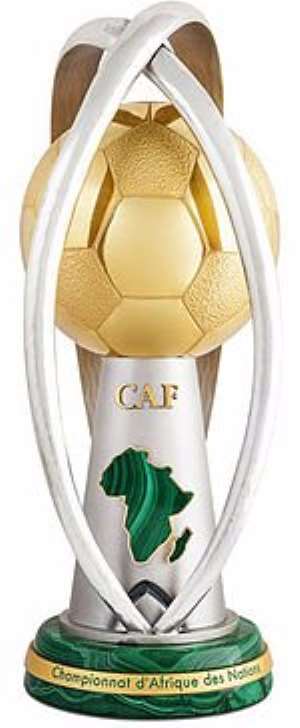
The African Nations Championship which is due to take place in Rwanda from January 16 to February 7 will see 16 countries from the continent do battle for the coveted trophy.
The biennial tournament features only players exclusively from their respective national leagues.
Here are 10 facts to note about this year’s tournament:
1. CHAN 2016 will be the fourth edition of the African Nations Championship and the first to be held in Eastern Africa. The first edition was hosted by Ivory Coast in West Africa while the second and third editions were held in Sudan (Northern Africa) and South Africa (Southern Africa) respectively.
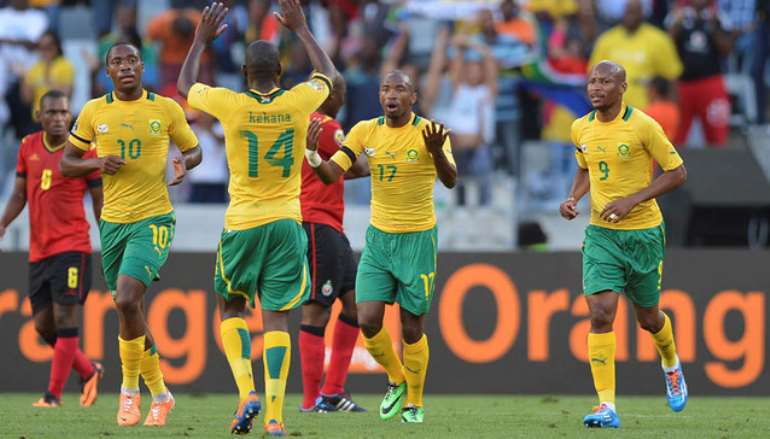
2. Four stadiums have been approved by CAF for the tournament. The 30,000 seater Amahoro Stadium in Kigali which will host both the opening and final games, the 22,000 seater Stade Regional Nyamirambo in Kigali, the 20,000 seater Stade Huye in Butare and the 5,000 seater Umuganda stadium in Gisenyi.
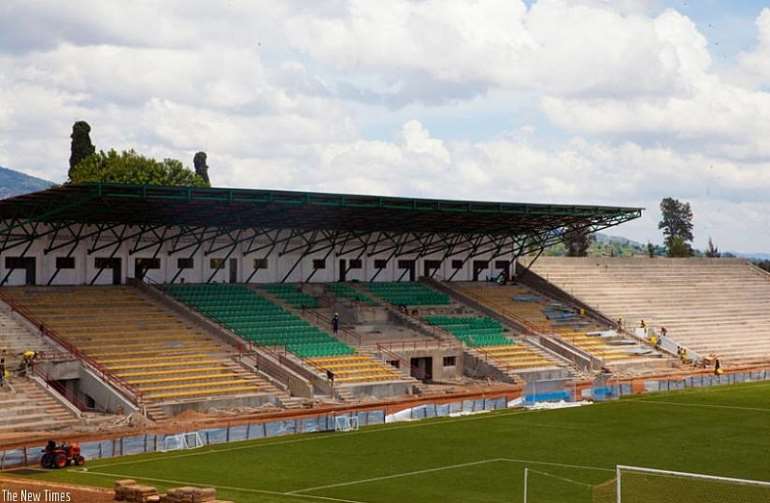
3. West Africa dominates with six countries in this year’s edition. The countries are; Nigeria, Ivory Coast, Gabon,Niger, Guinea and Mali. East Africa closely follows with four countries.They are; Congo, Ethopia, Rwanda and Uganda while Southern Africa is represented by Angola, Zimbabwe and Zambia. Cameroon is the sole representative from Central Africa. However, North Africa leads with two titles (Libya and Tunisia) while Eastern Africa (Congo) have one title.
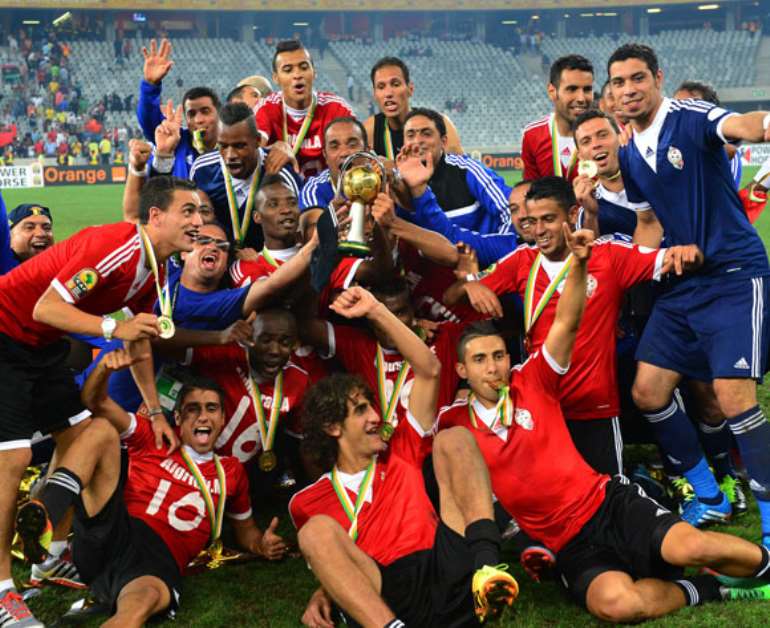
4. Reigning champions, Libya, who defeated Ghana on penalties in South Africa failed to qualify for the current edition of CHAN, guaranteeing a change in the holders of the trophy.
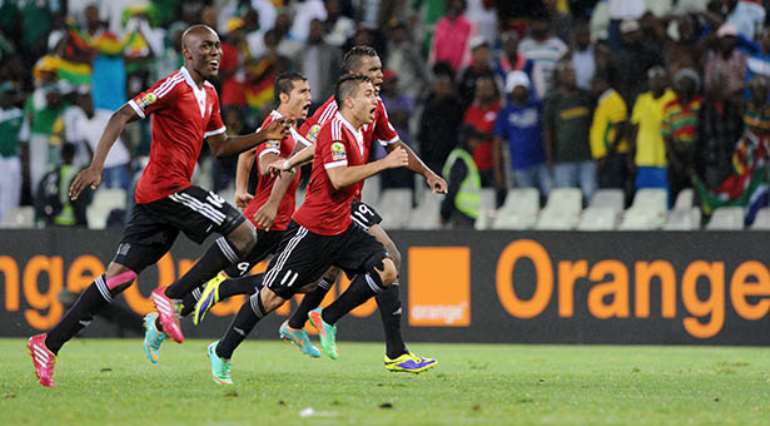
5. CHAN 2016 will be the first championship without Ghana. The Black Stars were finalists in the 2009 and 2014 editions while failing to make it out of the group stage in the 2011 edition. Ghana were knocked out by neighbours Ivory Coast on the away goals rule.
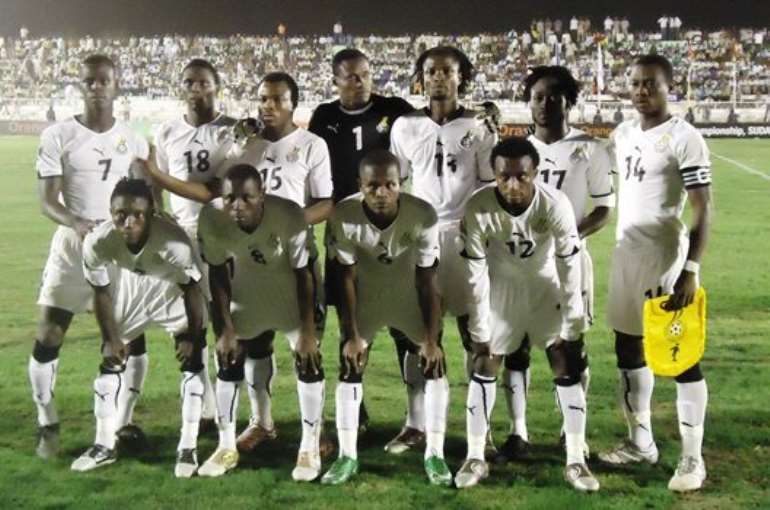
6. Ghana is the only country to play in more than one finals at the competition. Ghana played DR Congo in the final in 2009 edition and played Libya in the final of the 2014 edition but lost on both occassions.
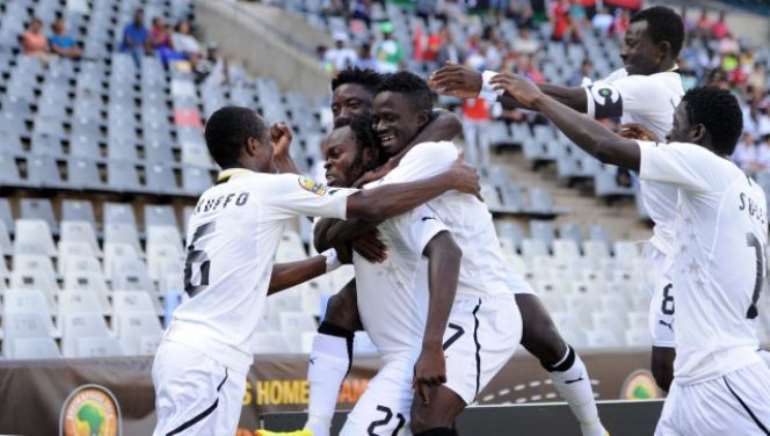
7. No host nation is yet to make it to the final of the championship which serve as a bad omen for Rwanda. Ivory Coast and South Africa failed to make it out of the group stage when they hosted it in 2009 and 2014 respectively while Sudan placed third after hosting the championship in 2011.
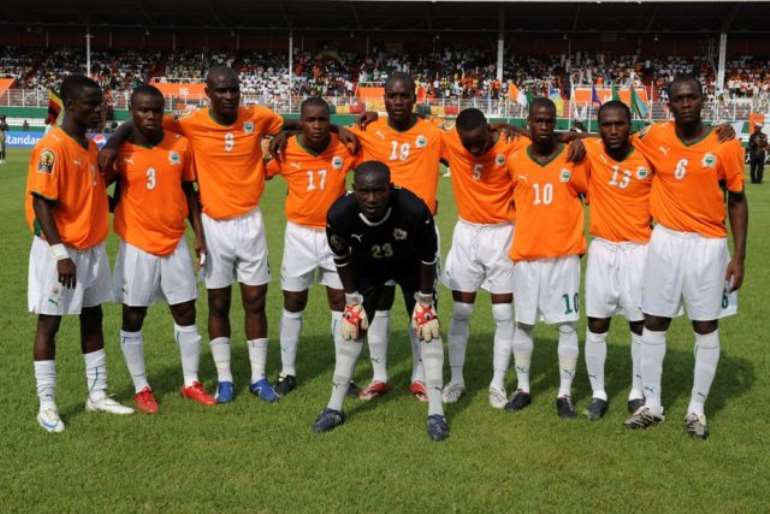
8. Only DR Congo and Zimbabwe have made it to all four editions of the tournament. DR Congo won the maiden edition in 2009 while reaching the quarter final edition in 2011 and 2014. Zimbabwe’s best placed finish was a fourth placed finish in 2014 after losing narrowly to eventual champions Libya in 2014 while they failed to make it out of the group stage in the 2009 and 2011 edition.
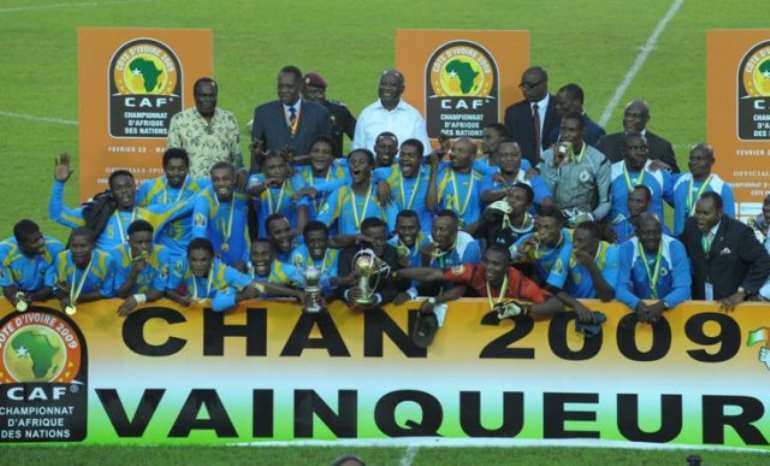
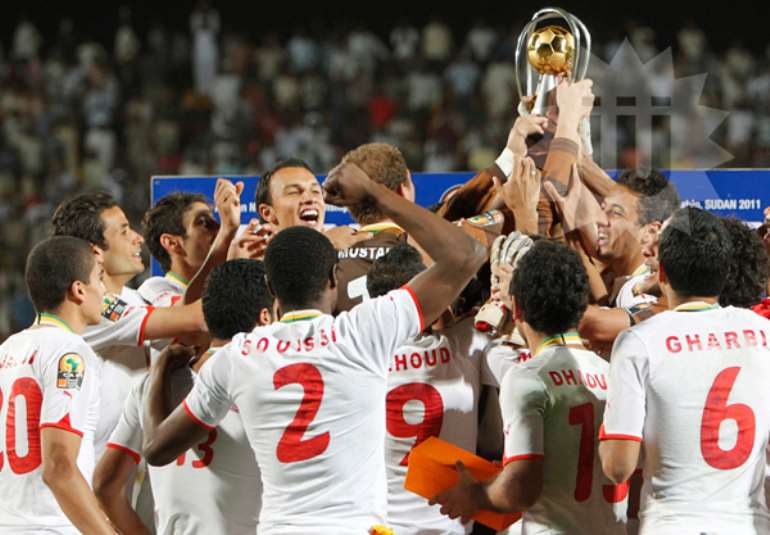
9. DR Congo and Tunisia are the only teams in to have won a CHAN title in this year’s competition. The Congolese side won in 2009 while Tunisia won in 2011.
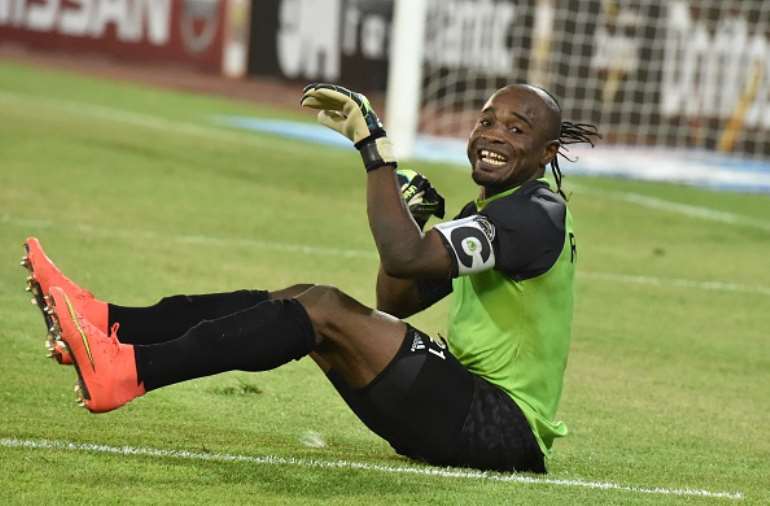
10. DR Congo keeper Robert Kidiaba will miss this year’s edition after making it to all three previous championships. The keeper was vital to their triumph in 2009 alongside Tresor Mputu. However, TP Mazembe teammate Joel Kimwaki will be making his fourth successive appearance at the tournament after making the 23 man squad.
Follow Kweku on Twitter: @nana_odum. Get more updates on Facebook/Twitter with the #JoySports hashtag
Story by Ghana/Joy Sports/Kweku Arhin
 Minority MPs walk out after Bagbin orders Abu Jinapor out of Parliament
 NPP's Kwadwo Poku calls for more TraffiTech-GH cameras at road intersections to ...
 Bawumia eyes 3R's Japanese tech that removes mercury, cleans soil and recycles w...
 'Our borders must command respect' – Osahen Afenyo-Markin on cocaine busts
 ‘Govt deeply involved in Beirut cocaine bust’ — Kofi Bentil reveals
 Ablakwa sues Benghazi, Media General over Fantana affair, corruption allegations
 Mahama instructs Finance Ministry to pay striking JUSAG members from November
 Mahama must sign same anti-gay bill NDC backed in opposition – Osahen Afenyo-Mar...
 Romance Scam: Asante Akyem North MP's extradition hearing set for November 18
 JUSAG accuses FWSC CEO of taking unilateral decisions in salary negotiations


