




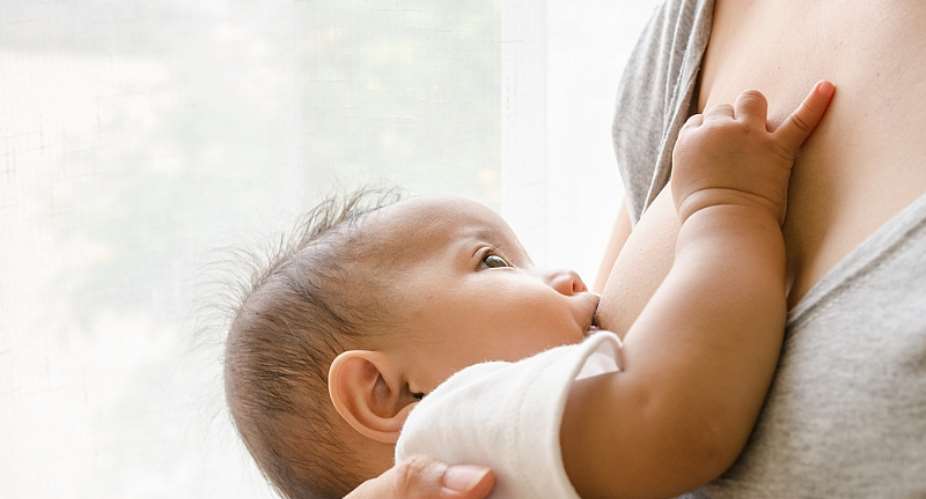
Breast feeding is the essential element in primary health care. It is proper nutrition during infancy and early childhood. It is also beneficial to ensure the growth, health and development of children to their full life. It has been realized in word wide that breast feeding is important to both the mother and child and also considered as the best source of nutrition for infants. The world health Organization (WHO) recommends that infants should be exclusively breast feed for the first six (6) months without water or any other food. Globally inadequate nutrition is an underlying cause of the deaths of more than 2-6 million children and over One hundred thousand mothers (100,000) mothers every year. Many health groups such as WHO, UNICEF support six (6) months of exclusive breast feeding and continued partial breast feeding for extended period.
Breast feeding can simply be defined as the normal way of providing young infants with the nutrients they need for healthy growth and development. Breast feeding of baby effectively reduces the rate of mobility, malnutrition and mortality in infants. Every mother can breast feed when they have accurate information, support from family, health care system and society at large. The first breast milk that comes from the breast is called colostrum which is yellowish in colour, sticky breast milk produced at the end of pregnancy and it is recommended by WHO (World Health Organization) as the perfect food for the new born. W.H.O also recommends the initiation of breast feeding within the first hour after birth. The baby is placed on the mother and feeding commences as soon as the baby shows interest.
The breast feeding mothers usually could be explained according to it type which are discussed as;
- Exclusive Breast Feeding: Exclusive breast feeding is the effective method that every lactating mother should practice. In this method is where infants consume human milk with no supplementation of any food or water except for vitamins, minerals and medication. Exclusive breast feeding reduces infants and mortality and infectious disease. It also reduces risk of HIV transmission from mother to child compared to mix feeding.
- Expressed Milk Breast Feeding: This is another method of breast feeding baby. Here, the mother express her milk for storage and later used. Expression of breast milk could be done with massage or a breast pump. It is stored in freezer. Storage bag containers or bottles are made specifically for breast milk.
- Mixed Breast Feeding: This type of breast feeding practice is the use of infant’s formula and breast milk side by side and it depends on the child’s age.
- Wet breast feeding: This was common throughout history. It remains popular among some developing nations including Africa. Here, more than one woman breast feed a child which exposes the child to high risk for HIV infection in infants.
There are numerous challenges that lactating mothers encounter during breast feeding which includes:
- Sore nipple mostly caused by frequent suckling of the breast and improper positioning by the baby and the mother respectively. Inadequate production of breast milk from lactating mothers, societal barriers such as employment and shorter duration of maternity leave, which leaves lactating mothers no option than to practice mixed breast feeding. Inadequate breast feeding knowledge, breast engagement, lack of familial and society support, lack of guidance and encouragement from health care providers and these are factors that intend to promote the use of breast milk substitute such as infant formula.
The above challenges can be minimized by; lactating mothers alternate their breast during breast feeding. Government agencies, NGO’s and private installations should extend maternity leave to six (6) months so that mothers can practice exclusive breast feeding, Health professionals should educate lactating mothers on the importance of breast feeding to mother and child, hygienic practices of the breast, position and also reward mothers who practice exclusive breast feeding and also report any unusual symptoms of diseases of the breast. Lactating mothers should gradually introduce child or infants to infants formular when child is six (6) months and also encourage suckling at the same time.
There are a lot of positions that are adopted by lactating mothers during breast feeding such as:
- Cradle hold: This type of position is where the baby’s head rest in the bend of the mother’s elbow of the arm side when breast feeding, with the hand on that side supporting the breast of the baby. The mother cups her breast with the other hand, placing her thumb above her nipple and areola at the spot where the baby’s nose will not touch her breast.
- Cross over hold position: Here the mother holds the baby’s head with the opposite hand to the breast she will be breast feeding from. If nursing from the first breast, hold the head with the left hand, then rest the wrist between her baby’s shoulder blades and thumbs one ear and other finger behind the other ear.
- Side Lying position: This position is a good choice when breast feeding in the middle of the night. Both the mother and baby should lie on their side.
- Laid-back Position: This position is also called biological nursing. This one can be particularly helpful for mothers who have smaller breast. Lean back on a bed or couch, well supported by pillow which enhances easy breast feeding.
- Football hold position: With this type of position, it is very useful for premature babies or twins and the lactating mother with large breast. The baby is positioned at her mother’s side, facing her with the baby’s legs, are tacked under her arm on the same side on the breast.
However, after the baby has been positioned well, it is important that baby is lactated properly. These are some tips for lactation:
- Gently tickle the baby’s lip with the nipple. This is the first to adopt when lactating the baby to open the mouth very wide.
- Bring the baby toward the breast. Not moving the breast towards the mouth or stuff the nipple into an unwilling mouth instead let the baby take the initiative.
- Be sure that the baby’s mouth covers both the nipple and the areola. Suckling just the nipple would compress the milk glands and cause soreness and cracking.
- Checking if the baby is getting fed. This can be done by checking the baby’s cheeks, seeing from strong action of suckling, steady rhythmic motion means the baby is successfully suckling and swallowing.
After all these procedures for lactating, the mother must have unlatched in different form by pulling the breast out of the baby’s mouth abruptly can cause injury to the nipple, when having latching problems and need to relatch or the baby has finished feeding but still holding onto the breast, break the suction first by pressing the rest nearer the mouth or by inserting a clean dinger to the cover of the baby’s mouth.
Breast feeding offers benefits to both the mother and baby in different ways. For the baby, it gives protection from infection by getting healthy dose of antibodies from the mother and also helps to boost the immunity against bugs including cold and ear infection etc. It also serves as naturally safe meal for the always sterile without boiling. It also boosts the brain of the baby by increasing the IQ as compared with babies who feeds on formula. It also serves as better poops for the baby by easily digestion which prevents constipation. Breast feeding has no allergies to the baby.
Benefits of Breast feeding to the mother
Most lactating mother’s benefits from breast feeding including;
- Post-partum recovery: The baby sucks on the breast, which triggers the release of oxytocin hormones that spurs the straining of the uterus reducing flow of lochia which curb blood loss.
- It also boosts health status of the mother. Research has shown that breast feeding may slightly reduce risk of uterine ovarian and premenopausal breast cancer and also minimize the risk of develop Rheumatoid arthritis and osteoporosis.
- Lastly, it also builds-in-bonding. Breast feeding create special bond between the mother and baby which also have physical and emotional connection they get from birth.
Breast feeding has been described as the best natural perfect babies’ food in which human breast milk contain at least 100 ingredients that cannot be found in any other infant formular. Hence, lactating mothers should practice proper breast feeding techniques to ensure good health, development for children and also reduce infant’s mortality and mobility.
Breastmilk is readily available to the baby and very cheap. It also involves the participation and cooperation of the mother just as the goals of the Primary Health Care seeks to provide. As it prevents infection, then it plays the role of the preventive arena of the PHC.
WRITTEN BY:
JOHN KENNEDY OFORI-BEDIAKO (MR)
E-mail: [email protected]

 'If we were wrong, we must first apologise to NPP' – Mustapha Gbande on National...
 Han SHS to get boarding status as Mahama inspects GETFund projects in Upper West
 Late herbal doctor’s wife granted GH¢100,000 bail amid poisoning, arson claims
 NDC has failed to deliver on Agenda 1-3-3 for 24-hour economy – Sam Pyne
 Wa-Bolgatanga trunk road to be asphalted – Mahama
 Gbewaa College of Education lecturer dies after alleged military assault in Pusi...
 Ghana won’t back down on mining value addition – Ambassador Kojo Bonsu
 How Dr Jesse Amuah, wife was murdered over GH¢1,500 payment dispute
 Mahama announces 20% salary incentive for health workers in deprived areas
 Ghana must move from plastic policies to implementation – EPA CEO


