




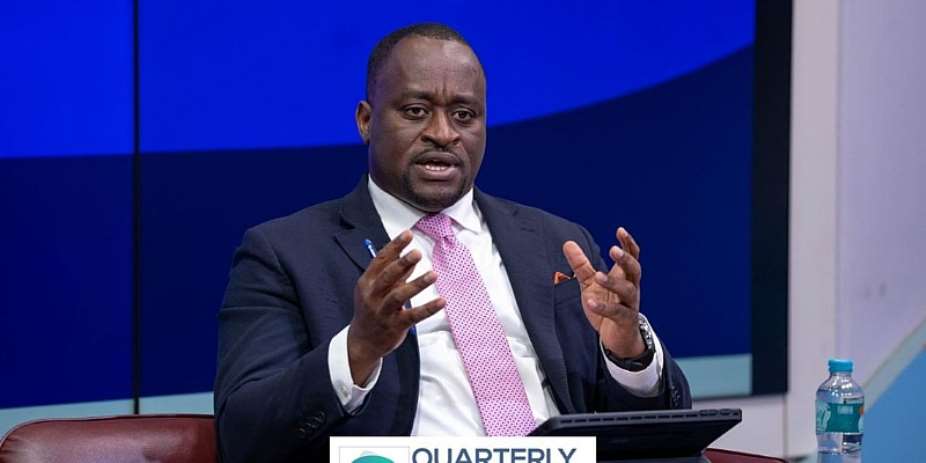
The assertion by the Ministry of Finance Technical Advisor, Dr. Theo Acheampong, that “Ghana has achieved a five-year economic reset in 18 months” highlights a classic disconnect between macroeconomic statistical targets and the microeconomic realities of daily life in Ghana.
While technical advisors look at macro indicators—such as stabilizing foreign exchange reserves, revenue performance, and meeting IMF benchmarks—the actual flow of cash on the ground tells a fundamentally different story.
1. Deconstructing the Absurdity: Macro Stabilization vs. Micro Reality
A. The "Illusion of Cash" and Liquidity Mopping
The disconnect lies in how macroeconomic stability is being achieved. The Bank of Ghana (BoG) and the Ministry of Finance have engaged in aggressive monetary tightening and liquidity sterilisation (mopping up Cedi liquidity via high policy rates and Open Market Operations).
- The Backdoor Intermediation Paradox: To defend the Cedi and make imported inflation look lower on paper, monetary authorities absorb Cedi liquidity from commercial banks. While this slows down the rate of depreciation, it starves the domestic economy of actual cash.
- Liquidity Mopping from an Emptied Bucket: Mopping up liquidity from a formal banking sector that is already squeezed starves local businesses of commercial loans, working capital, and overdraft facilities.
B. The Plight of the Informal Sector (70% of the Economy)
The informal sector—traders in Kejetia, Makola, Kantamanto, SMEs, and artisanal workers—runs almost exclusively on cash velocity (how fast money changes hands).
- 22 Months of Sluggish Sales: When government spending is heavily constrained by strict domestic expenditure rules and debt servicing restrictions, public-sector demand drops.
- The Multiplier Effect: Civil servants and formal workers cut discretionary spending as informal market vendors see plummeting sales. Micro-vendors cannot buy stock. Trade stalls entirely.
C. The Cost of Living & Utility Price Hikes
Even when headline inflation decelerates on official charts, prices do not fall; they merely rise more slowly.
- Escalating Fixed Costs: Frequent upward adjustments in electricity, water tariffs, and fuel levies by PURC directly erode real household disposable income.
- Cost-Push Inflation: High utility prices force traders to keep goods expensive despite dropping consumer purchasing power, creating a stagflationary feel for low-income households.
D. Youth Unemployment & The "Jobless Reset"
A true “economic reset” should translate into job creation. However, structural consolidation under debt restructuring limits public sector hiring, while expensive local credit inhibits private sector expansion, exacerbating youth and graduate unemployment.
2. Pros and Cons of Ghana's Current Macroeconomic Trajectory
Pros (The Technocratic & Market View)
- Exchange Rate & Cedi: Slows down steep depreciation spikes, offering short-term exchange rate predictability for importers.
- Fiscal Discipline & Debt: Restores external investor confidence and fulfills IMF program targets regarding debt restructuring and sustainability.
- Monetary Targets: Keeps headline inflation within lower single-digit bands compared to peak crisis levels.
- External Buffers: Rebuilds central bank foreign reserves through domestic gold purchase schemes and export revenues.
Cons (The Lived Experience & Trader Reality)
- Exchange Rate & Cedi: Kept artificially tight by choking Cedi supply, causing a severe shortage of working capital on the streets.
- Fiscal Discipline & Debt: Aggressive tax drives (such as higher tax-to-GDP targets) squeeze already thin SME profit margins.
- Monetary Targets: High policy interest rates make commercial borrowing prohibitively expensive (>25%–30% per annum) for local businesses.
- External Buffers: Zero trickle-down effect to informal trade, leaving capital locked in government balance sheets while local businesses suffer.
3. Pragmatic Policy Recommendations to Inject Healthy Cash Flow
1. Phased Liquidity Easing and Target-Directed Credit
- Lower Reserve Requirements selectively: The BoG should gradually relax cash reserve ratios for commercial banks, explicitly conditioning this liquidity release on low-interest lending to agriculture, local manufacturing, and SME trade channels.
- Special Credit Facilities for Informal Traders: Partner with rural banks, microfinance institutions, and savings & loans to offer low-interest micro-working capital facilities (10%–12% rate caps) directly to organized market trade associations.
2. Settle Domestic Government Contractors & Vendor Arrears
- Prioritize paying outstanding domestic arrears owed to local contractors, food suppliers (e.g., School Feeding Program), and service providers.
Impact:
Paying domestic arrears immediately injects real, organic cash into local supply chains, restoring purchasing power across cities and rural communities without triggering foreign exchange run-ons.
3. Utility Tax Rebates & Tariff Freeze for Micro-Businesses
- Institute a targeted 12-month freeze or rebate on commercial utility tariffs for registered small businesses and market hubs.
- Reducing fixed operating overheads gives vendors room to lower retail prices, driving consumer demand and increasing sales volume.
4. Transition from Taxing Revenue to Encouraging Turnover
- Streamline informal sector taxes into a simplified, flat-rate turnover levy instead of cumbersome, multiple withholding taxes and complex digital levies.
- Lowering compliance costs leaves more working capital in the hands of market traders to re-invest in inventory.
Yk Ansah-Yeboah (CSA)
#CPAG #IVA #DFC
19th October 2026

 Macron promises tough punishments for rioters during nationwide day of action
 Trump endorses embattled Israeli PM Netanyahu ahead of October 27 election
 We are going to provide emergency airstrip in regions without airports — Mahama
 Nana Konadu maiden memorial mass set for October 23
 'Double standards are not helpful, wrong yesterday is wrong today' – Ablakwa on ...
 NPP has resolve internal wrangling — Bawumia
 Ghana, US Virgin Islands agree on recruitment of Ghanaian teachers, nurses
 “Soldiers Will Stay There”—Mahama Declares Permanent Military Presence in Forest...
 ‘No Borrowing Involved’ — Mahama Rolls Out US$10bn New Economy Policy
 “Ask Jean Mensa to resign first”—Tanko-Computer fires back


