





For many Nigerian businesspeople, the festive period is the busiest and most demanding time of the year. What should ordinarily be a season of rest, celebration and family reunions often becomes a period of intense commercial activity. Shops stay open longer, markets become crowded, customers increase their spending, business owners travel from one city to another, and entrepreneurs struggle to balance year-end sales with personal and family commitments. Amid all these activities, however, one important asset can easily be neglected: good health.
The festive season provides Nigerians with plenty of reasons to celebrate, but it also presents several challenges to maintaining physical fitness. There are parties, weddings, family gatherings, office celebrations and business dinners, many of which are accompanied by generous portions of rice, meat, fried foods, pastries, soft drinks and alcoholic beverages. At the same time, businesspeople may spend long hours sitting in traffic, attending meetings, supervising staff or sitting behind counters and desks. Sleep schedules can become irregular, while the pressure to meet year-end targets can leave little room for exercise.
For the Nigerian businessperson, therefore, keeping fit during the 2026 festive period should not be approached as a difficult project requiring hours at the gym every day. The most practical approach is to make physical activity, sensible eating, adequate rest and stress management part of the daily routine. The goal is not necessarily to lose weight during the holidays but to avoid the unhealthy habits that can turn celebration into a health setback.
One of the simplest ways to remain physically active is to walk more. Walking requires no expensive equipment, special clothing or gym membership. A businessperson can deliberately incorporate walking into the working day by taking short walks before opening the shop, after closing the office or during breaks between meetings. Where circumstances permit, walking short distances instead of driving can also help. Even a few minutes of brisk walking at several points during the day can be more realistic for a busy entrepreneur than attempting to schedule a long workout that may eventually be cancelled.

Businesspeople who spend much of the day behind a desk or at a sales counter should pay particular attention to prolonged sitting. Standing up regularly, stretching the legs, walking around the office and changing position can break up long periods of inactivity. A simple routine of squats, gentle stretches, marching in place or climbing stairs can be performed without disrupting the working day. The important principle is consistency. Fitness does not always have to happen in a gym.
For those who already exercise regularly, the festive season is not the time to abandon the routine completely. Instead, the programme can be adjusted to accommodate the demands of the season. Someone who normally spends an hour exercising may find that 20 or 30 minutes is more realistic during particularly busy days. A shorter workout that actually happens is better than a perfect workout that is continually postponed.
Home-based exercise can also be particularly useful during the festive period. Body-weight exercises such as squats, lunges, push-ups, planks and gentle aerobic movements can be performed in a relatively small space. A businessperson travelling to another Nigerian city can maintain some level of activity in a hotel room or compound without searching for a gym. The objective is to keep the body moving even when normal routines have been disrupted.
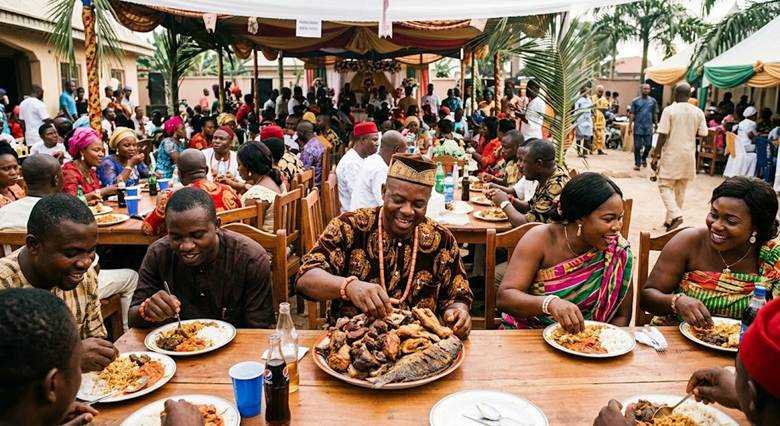
Another important part of staying fit is food. Nigerian festive celebrations are famous for abundance, and there is nothing wrong with enjoying traditional meals. The challenge comes when celebration becomes continuous overeating. A businessperson attending several events in one week can easily consume more food than the body needs, particularly when large portions are combined with sugary drinks, fried snacks and desserts.
Portion control is, therefore, one of the most useful strategies. Rather than refuse every festive meal, individuals can serve themselves reasonable portions and eat slowly. A plate containing vegetables, a suitable portion of protein and a moderate amount of carbohydrate can provide satisfaction without turning every meal into an excessive feast. Foods such as rice, yam, beans, plantain and potatoes can all form part of a balanced diet; the issue is often the quantity and preparation.
Businesspeople should also be careful about the frequency of snacking. During festive gatherings, food may be available throughout the day, making it easy to eat simply because something is nearby. A person who has eaten a full meal may continue with pastries, cakes, chin-chin and other snacks without recognizing how much has already been consumed. Being deliberate about hunger and fullness can help prevent unnecessary eating.
Hydration deserves equal attention. Water should remain a regular part of the day, particularly for people travelling, working outdoors or spending time in crowded environments. Sometimes thirst is mistaken for hunger, leading to unnecessary snacking. Choosing water more frequently instead of sugary beverages can also reduce excessive calorie intake.
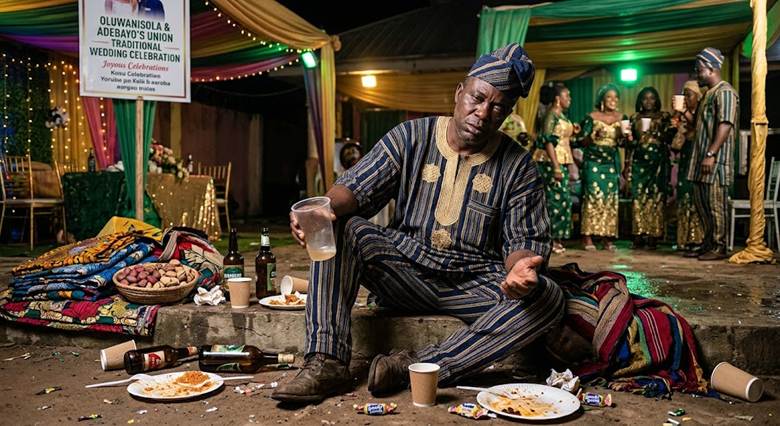
Alcohol presents another challenge for some businesspeople during the festive season. Business networking, parties and family gatherings may involve drinking, and moderation is important. Excessive alcohol consumption can contribute to poor sleep, dehydration, impaired judgement and unhealthy eating. It can also make it harder for a person to maintain an exercise routine the following day. Those who drink should therefore be mindful of quantity and should not allow alcohol to become the centre of every celebration.
Sleep is perhaps one of the most underestimated components of fitness during the festive period. Entrepreneurs are often proud of their ability to work late into the night and wake early to continue working. During December, however, late-night celebrations can combine with early-morning business activities, producing significant sleep deprivation. A tired businessperson may become less productive, more irritable and less motivated to exercise.
Protecting sleep should therefore be regarded as part of protecting the business itself. Whenever possible, entrepreneurs should maintain reasonably consistent sleeping hours. Not every invitation needs to be accepted, and not every late-night gathering requires staying until the final guest leaves. Rest is not laziness; it is part of maintaining the physical and mental capacity required to make good business decisions.
Stress management is equally important. The festive period can create financial pressure, particularly for business owners who are trying to meet customer demand, pay workers, settle debts, replenish stock and prepare for the New Year. Family expectations can add another layer of pressure. Some entrepreneurs may also feel compelled to make expensive purchases or participate in celebrations beyond their financial means.
A fit businessperson must therefore recognise that mental wellbeing is connected to physical wellbeing. Taking a few minutes each day for quiet reflection, prayer, breathing exercises or simply stepping away from work can help create a sense of balance. Spending meaningful time with family without constantly checking business messages can also provide emotional recovery.
Business owners should also resist the temptation to turn every festive gathering into a business meeting. The festive period offers an opportunity to strengthen relationships, but constantly discussing sales, contracts and money can prevent genuine relaxation. Healthy social connections are valuable, and spending time with loved ones can be an important form of recovery after a demanding business year.
For entrepreneurs who travel extensively during the season, planning becomes essential. Travelling between Lagos, Abuja, Port Harcourt, Onitsha, Aba, Kano, Enugu, Benin City and other commercial centres can consume hours. Traffic congestion can mean prolonged periods of sitting in a vehicle. Where possible, travellers can take breaks during long journeys to stretch and walk. Those flying or using public transport can also move around safely when appropriate rather than remain seated throughout the entire journey.
The festive period is also a good time for businesspeople to review their health rather than wait for a problem to become serious. Individuals who have concerns about their health should seek appropriate professional medical advice, especially if they experience persistent symptoms or have been advised to monitor particular health risks. Fitness should not be based solely on appearance. The ability to work effectively, move comfortably, sleep well and enjoy daily activities is equally important.
One mistake that should be avoided is attempting an extreme fitness programme immediately after a period of inactivity. Someone who has not exercised for months may suddenly decide to run long distances or perform intense workouts because of guilt about festive eating. This approach can increase the risk of injury. It is better to start gradually and build up activity over time.
Ultimately, the best fitness strategy for Nigerian businesspeople during the 2026 festive period is one that fits realistically into their lives. It should not demand perfection. A businessperson who walks regularly, chooses reasonable portions, drinks enough water, limits excessive alcohol and sugary drinks, gets adequate sleep and makes time for stress relief is already taking meaningful steps towards staying healthy.
The festive season should not be viewed as an enemy of fitness. In fact, it can provide an opportunity to establish healthier habits. Families can take evening walks together. Friends can organise recreational activities instead of making every gathering centred on food. Business partners can meet while walking when circumstances permit. Entrepreneurs can use quieter moments between commercial activities to stretch or exercise.
For Nigeria's business community, health should be treated as an investment rather than an afterthought. Businesses depend on the energy, judgement and resilience of the people who run them. A successful festive season is not simply one in which sales are high and celebrations are memorable. It is one in which the businessperson reaches the New Year with enough physical and mental strength to continue building.
As the 2026 festive season has approached, Nigerian entrepreneurs therefore need not choose between enjoying the holidays and keeping fit. The two can coexist. The key is moderation, movement, rest and discipline. Enjoy the jollof rice, but watch the portion. Attend the celebration, but get enough sleep. Handle the business, but take breaks. Travel, but walk whenever possible. Celebrate with family and friends, but remember that the body carrying the entrepreneur through all those responsibilities also deserves attention.
In the end, the smartest business decision may be one that does not appear on a balance sheet: taking care of the person behind the business. A healthy entrepreneur is better positioned to think clearly, serve customers, support employees, enjoy family life and enter 2027 with renewed energy. During the festive period, keeping fit is therefore not merely about looking good. It is about preserving the strength and wellbeing needed to do business, live fully and face the opportunities of another year.


 AMA boss promises free housing for Kofikrom squatters
 If you are building markets while teachers are at home, you lack priorities – Go...
 Government has resolved 80% of issues behind teachers’ strike – Manuribe
 Ghana extends condolences to Nigeria over tragic Ondo plane crash
 Community watch committee arrest three illegal miners at Jema
 Dafeamekpor rejects claims GLS accreditation followed NDC return to power
 Disgruntled lawyers have withdrawn from active GBA participation — Dafeamekpor
 Ghana Law Society is not competing with GBA—Dafeamekpor
 Afenyo-Markin accuses govt of using ‘red herrings’ to divert attention from drug...
 Police to arraign Nana Akua Addo’s husband after hospital discharge


