




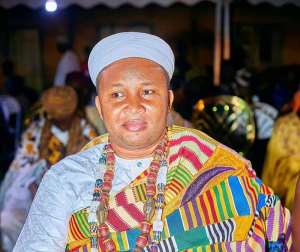
The Supreme Head of Gbese Sonmenaa, Nii Doku III, has provided clarification on the traditional military and political structure of the Ga Asafoatse (War Captains), particularly within Ga Mashie and the Gbese Traditional Area.
According to Nii Doku III, the traditional military organisation of Ga Mashie was historically based on individual quarters and warrior divisions rather than a single centralised hierarchy in which war captains were ranked as the first, second or third Asafoatse for the entire Ga state.
He explained that the various quarters of Ga Mashie, including Gbese, Abola, Asere, Otublohum, Sempe, Ngleshie Alata and Akumajay, historically maintained their own warrior leadership structures, with senior captains responsible for the defence and security of their respective divisions.
Nii Doku III said the title Asafoatse Nukpa, which refers to a senior or principal war captain, therefore has to be understood within the context of the particular traditional division in which the office exists.
Nettey Lineage and Gbese
Focusing on the Gbese division, Nii Doku III said the senior Asafoatse tradition is associated with the Nettey lineage of Gbese Songmenaa, which he described as having played a significant role in the military history of the area.
He cited historical figures associated with the lineage, including Asafoatse-ngua Doku, whom he described as an early war leader and an artisan associated with the production of iron and weapons.
According to him, successive holders of the senior warrior position have emerged from this traditional lineage, with historical holders of the title including Christopher Brandford Nettey V.
Nii Doku III stressed that the Gbese military tradition should therefore be viewed through its established royal warrior gates, families and traditional offices rather than through a numerical ranking of war captains.
Traditional Military Organisation
He further explained that the traditional security structure of Gbese was not limited to the senior Asafoatse Nukpa, but involved a network of sub-captains, principal elders and allied warrior gates.
These traditional groups, he said, worked alongside the Gbese Mantse in matters concerning traditional security, community organisation and other state functions.
Nii Doku III noted that families and warrior gates associated with the Nii Doku We also formed part of the broader traditional structure that supported the administration and defence of the Gbese division.
He said understanding the history of the Ga Asafoatse institution requires recognition of the decentralised nature of the traditional military system of Ga Mashie, where individual quarters maintained distinct leadership structures while contributing to the collective defence of the Ga state.
The Supreme Head of Gbese Sonmenaa therefore urged traditional authorities, researchers and members of the public to consider the historical context of the various Asafoatse positions when discussing traditional military leadership within Ga Mashie.


 I’ll sue NPP if the constitutional amendment at delegates conference goes throug...
 NPP executives are like lions being led by a goat – Odike
 Two final-year students killed by speeding tipper truck in Ekumfi
 The Abanga twins: Two brothers, two parties, one political family
 Afenyo-Markin cautions NPP members against working secretly to undermine party
 Fair Wages and Salaries Commission engages striking teachers over conditions of ...
 Tema Central MP details disputes with Ebi Bright amid assault allegation
 PAC raises alarm over GH¢5.2bn financial irregularities in MDAs
 Teachers to remain on strike as talks with FWSC end in stalemate
 La Pleasure Beach demolition: Committee to determine compensation for affected b...


