




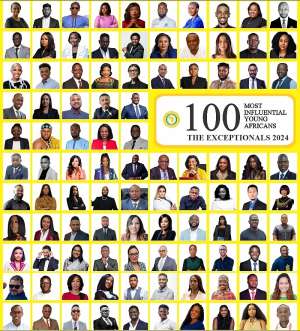
For a long time, the world told Africa's story for us. Today a generation is telling it back, in novels, in code, in stadium anthems, in protest chants and in laboratories.
This list celebrates that generation. It spans the continent and its diaspora, from Accra to Nairobi, Lagos to Johannesburg, Tunis to Kampala. "Young" is used broadly to mean the rising generation, mostly under 45.
A note on method. This is an editorial selection, grouped by field, with numbering inside each group reflecting my own judgement of reach and lasting impact. It is not a scientific ranking. I am also on it, and I say so plainly, because credibility starts with honesty.
Literature, Film & Media (1–16)
- Yaa Gyasi (Ghana/USA): her debut Homegoing traced two branches of a family across centuries of slavery and its aftermath.
- Chigozie Obioma (Nigeria): The Fishermen announced a major voice in African fiction.
- Ayọ̀bámi Adébáyò (Nigeria): Stay With Me made a quiet domestic drama feel monumental.
- Akwaeke Emezi (Nigeria): Freshwater pushed African storytelling into bold new territory on identity and spirit.
- Tomi Adeyemi (Nigerian-American): Children of Blood and Bone put West African mythology at the centre of global young-adult fiction.
- Chibundu Onuzo (Nigeria): a novelist mapping migration, class and Lagos life.
- Oyinkan Braithwaite (Nigeria): My Sister, the Serial Killer became a worldwide word-of-mouth hit.
- Namwali Serpell (Zambia): The Old Drift is an ambitious, genre-bending epic.
- Lupita Nyong'o (Kenya): an Oscar winner who keeps opening doors for African actors.
- Trevor Noah (South Africa): the comedian and author of Born a Crime, who took African humour to the world stage.
- Mati Diop (Senegal/France): her film Dahomey, on the return of looted Beninese artefacts, won the Golden Bear at Berlin in 2024.
- Wanuri Kahiu (Kenya): director of Rafiki and a defender of African creative freedom.
- Jade Osiberu (Nigeria): director of Gangs of Lagos and a builder of Nollywood's streaming-era ambition.
- Kemi Adetiba (Nigeria): director of King of Boys, a blockbuster filmmaker and franchise builder.
- Khaby Lame (Senegal-born, Italy): proof that wordless comedy can reach hundreds of millions.
- Chief Tutu Baffour Asare Brownsy Williams (Ghana): author, filmmaker and a digital strategist . He wrote the novels The Sons of Brownsy, Reborn: The River of Girls and wrote and directed the 2025 short Silence. Through Brownsy Silva Company he pursues publishing, film and digital content on African terms. He is still best known for a central argument in his commentary: that the AI models reshaping the world were trained partly on the unpaid creative labour and culture of the Global South, and that Africa is owed a reckoning he calls algorithm reparations. His rank reflects a young, fast-building body of work .
Technology & Enterprise (17–30)
- Iyinoluwa Aboyeji (Nigeria): co-founder of Andela and Flutterwave, and a backer of the next wave of founders.
- Olugbenga Agboola (Nigeria): CEO of Flutterwave, a leading African payments company.
- Jason Njoku (Nigeria): founder of iROKO, the "Netflix of Nollywood."
- Temie Giwa-Tubosun (Nigeria): founder of LifeBank, which delivers blood and medical supplies.
- Bethlehem Tilahun Alemu (Ethiopia): founder of soleRebels, a globally known footwear brand.
- Regina Agyare (Ghana): founder of Soronko Academy, teaching coding to girls.
- Farida Bedwei (Ghana): software engineer and disability advocate.
- Nelly Cheboi (Kenya): educator bringing computer skills to rural schools.
- Bosun Tijani (Nigeria): CcHUB co-founder turned minister of communications and digital economy.
- Fred Swaniker (Ghana): founder of the African Leadership Group.
- Kola Aina (Nigeria): founder of Ventures Platform.
- Odunayo Eweniyi (Nigeria): co-founder of PiggyVest.
- Ola Orekunrin (Nigeria/UK): founder of Flying Doctors Nigeria, an air-ambulance pioneer.
- Linda Ikeji (Nigeria): blogger and media entrepreneur who showed digital publishing could build an empire.
Music & Culture (31–54)
- Burna Boy (Nigeria): Grammy winner and a global face of Afro-fusion.
- Tems (Nigeria): Grammy winner and Oscar nominee for "Lift Me Up."
- Rema (Nigeria): "Calm Down" became one of the biggest Afrobeats crossovers ever.
- Ayra Starr (Nigeria): a young star of Afropop.
- Asake (Nigeria): reshaped Nigerian pop with Yoruba street-hop fusion.
- Tyla (South Africa): Grammy winner with "Water" and a face of amapiano abroad.
- Black Sherif (Ghana): the voice of a generation of Ghanaian youth.
- Davido (Nigeria): an Afrobeats stalwart with continental reach.
- Fireboy DML (Nigeria): known for emotionally rich Afropop.
- Libianca (Cameroon): her hit "People" travelled the world.
- Amaarae (Ghana/USA): a genre-blending innovator.
- Omah Lay (Nigeria): a distinctive, introspective Afrobeats voice.
- CKay (Nigeria): "Love Nwantiti" became a worldwide phenomenon.
- Victony (Nigeria): a rising star of Afropop.
- Gyakie (Ghana): her hit "Forever" carried Ghanaian pop overseas.
- King Promise (Ghana): a leading figure in Ghana's Afrobeats scene.
- Uncle Waffles (Eswatini/South Africa): a DJ who took amapiano to global stages.
- Master KG (South Africa): "Jerusalema" became a worldwide dance moment.
- Diamond Platnumz (Tanzania): East Africa's biggest pop export.
- Aya Nakamura (Mali/France): the most-streamed French-language artist worldwide.
- Yemi Alade (Nigeria): a long-running pan-African touring star.
- Sarkodie (Ghana): a defining voice of Ghanaian hip-hop.
- Stonebwoy (Ghana): a dancehall and afro-fusion leader.
- Wizkid (Nigeria): a pioneer of Afrobeats' global crossover.
Sport (55–80)
- Mohammed Kudus (Ghana): a dynamic Premier League midfielder.
- Victor Osimhen (Nigeria): a prolific striker.
- Achraf Hakimi (Morocco): a top full-back and a symbol of Morocco's rise.
- Ademola Lookman (Nigeria): 2024 CAF African Player of the Year.
- Letsile Tebogo (Botswana): 200m Olympic champion at Paris 2024.
- Beatrice Chebet (Kenya): double Olympic distance champion in Paris.
- Faith Kipyegon (Kenya): three-time Olympic 1500m champion.
- Jacob Kiplimo (Uganda): a leading distance runner.
- Tobi Amusan (Nigeria): 2022 world 100m hurdles champion.
- Ons Jabeur (Tunisia): a trailblazer for Arab and African tennis.
- Pascal Siakam (Cameroon): NBA champion.
- Joel Embiid (Cameroon): NBA MVP.
- Giannis Antetokounmpo (Greece, Nigerian heritage): NBA champion and MVP.
- Asisat Oshoala (Nigeria): a multiple African Women's Footballer of the Year.
- Barbra Banda (Zambia): a Zambian forward who has lit up the women's game.
- Francis Ngannou (Cameroon): former UFC heavyweight champion.
- Israel Adesanya (Nigeria/New Zealand): former UFC middleweight champion.
- Kamaru Usman (Nigeria/USA): former UFC welterweight champion.
- Tatjana Smith (South Africa): Olympic swimming champion.
- Ahmed Hafnaoui (Tunisia): Olympic 400m freestyle champion.
- Siya Kolisi (South Africa): Springbok captain and World Cup winner.
- Kagiso Rabada (South Africa): one of the world's leading fast bowlers.
- Yassine Bounou (Morocco): the goalkeeper behind Morocco's 2022 World Cup run.
- Thomas Partey (Ghana): a midfield anchor for club and country.
- Ruth Chepngetich (Kenya): marathon world-record holder.
- Rachel Kundananji (Zambia): a Zambian striker breaking through in the women's game.
Advocacy, Climate & Public Life (81–100)
- Vanessa Nakate (Uganda): climate activist and founder of the Rise Up Movement.
- Elizabeth Wathuti (Kenya): environmental campaigner and founder of the Green Generation Initiative.
- Hindou Oumarou Ibrahim (Chad): Indigenous rights and climate leader.
- Adenike Oladosu (Nigeria): climate justice activist.
- Nisreen Elsaim (Sudan): climate advocate who has chaired the UN Secretary-General's youth advisory group.
- Rinu Oduala (Nigeria): a face of the #EndSARS movement.
- DJ Switch (Nigeria): livestreamed the Lekki toll gate events in 2020.
- Segun Awosanya (Nigeria): campaigner for police accountability.
- Nyombi Morris (Uganda): climate activist.
- Bobi Wine (Uganda): musician turned opposition leader.
- Boniface Mwangi (Kenya): activist and photojournalist.
- Aisha Yesufu (Nigeria): #BringBackOurGirls campaigner.
- Chido Govera (Zimbabwe): founder of the Future of Hope Foundation.
- Aya Chebbi (Tunisia): the African Union's first Youth Envoy.
- Bright Simons (Ghana): founder of mPedigree, working on anti-counterfeiting and civic transparency.
- Nana Darkoa Sekyiamah (Ghana): feminist writer and communications leader.
- Zuriel Oduwole (Nigeria/USA): filmmaker and girls' education advocate.
- Halima Aden (Somalia/USA): the first hijab-wearing model on major runways.
- Adut Akech (South Sudan/Australia): a leading model and refugee advocate.
- Bassirou Diomaye Faye (Senegal): among the youngest elected heads of state on the continent.
What this generation has in common
They do not wait for permission. The writers publish first and negotiate later, the founders build for African problems before African markets are "validated" abroad, and the athletes and artists sell out the world's biggest stages while carrying their home cities in their names.
Africa's median age is under 20. The people on this list are not exceptions to that reality. They are its earliest headlines.

 US 'steals' Bawumia’s idea, launches America.gov for public services five years ...
 “Disband Black Stars, sack FA and let FIFA ban us for two years” – Sam George af...
 NPP executive elections: Justin Kodua dismisses claims of blocking constituency ...
 South Africa summons US ambassador for 'record' third time
 Israel-bound flight diverted to Saudi Arabia after brawl between pilots
 Dangote to launch $16bn refinery in Kenya
 GNFS rescues driver trapped in overturned tipper truck at Bolgatanga
 Ghana, Luxembourg to explore visa waiver agreement
 Tullow loses $393m tax arbitration case against Ghana – Finance Minister
 Bawumia outlines policy proposals to grow Ghana’s insurance industry


