




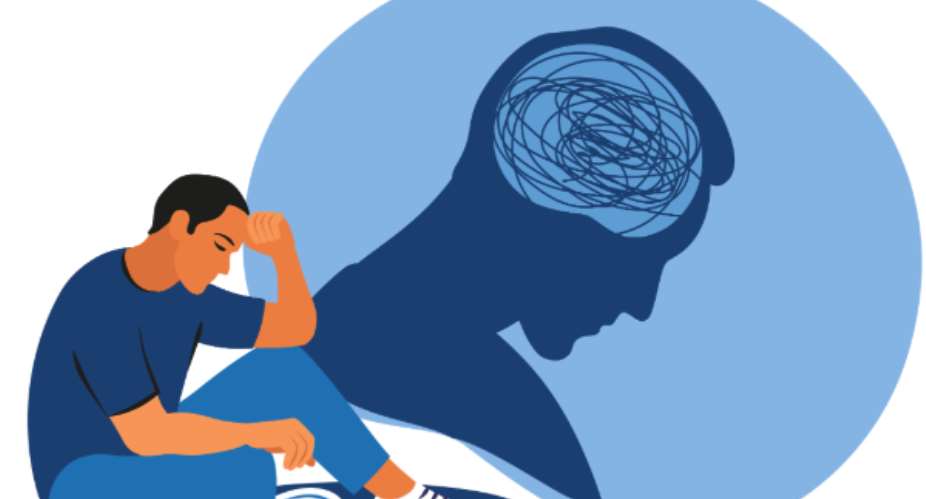
Mental health is an important component of overall human well-being. Mental health disorders can affect an individual's thoughts, emotions, behaviour, relationships, education, employment, and ability to participate fully in society. Among the serious mental health conditions is schizophrenia, a disorder that can substantially affect an individual's perception of reality and everyday functioning. According to the World Health Organization (WHO), schizophrenia affects approximately 23 million people worldwide, representing about 1 in 345 people. The condition is associated with significant impairment in personal, family, social, educational, and occupational functioning. Despite its seriousness, effective treatment and support are available, and some individuals fully recover. Schizophrenia is often misunderstood because of inaccurate portrayals in society. Some people wrongly associate the disorder with having a "split personality." However, schizophrenia is not the same as dissociative identity disorder. Rather, it is a psychotic disorder in which a person may experience disturbances in perception, thinking, beliefs, emotions, and behaviour. Understanding schizophrenia is therefore important not only for healthcare professionals but also for families, teachers, communities, and society as a whole. Greater knowledge can encourage early intervention, reduce discrimination, and promote compassionate treatment of people living with the disorder.
What Is Schizophrenia? Schizophrenia is a serious mental illness that affects the way a person thinks, feels, perceives the world, and behaves. Individuals experiencing schizophrenia may have difficulty distinguishing their internal experiences from external reality. The symptoms can interfere with everyday activities and relationships. The condition belongs to the group of disorders associated with psychosis. Psychosis refers to a state in which an individual's perception or interpretation of reality becomes significantly altered. Schizophrenia usually begins during late adolescence or early adulthood. According to the National Institute of Mental Health (NIMH), people are commonly diagnosed between the ages of 16 and 30, although symptoms and the course of the illness vary considerably from one individual to another. Importantly, having schizophrenia does not mean that a person is incapable of living a productive or meaningful life. With appropriate treatment and social support, many individuals can participate in education, employment, family life, and community activities.
Symptoms: The symptoms of schizophrenia vary from person to person. They are generally discussed under three broad categories: psychotic symptoms, negative symptoms, and cognitive symptoms. Psychotic symptoms involve changes in the person's perception and understanding of reality. Hallucinations can also occur when an individual experiences sensation that do not correspond to an external stimulus. A person may hear voices, see things, or experience other sensations that others do not perceive. Hearing voices is particularly common among people experiencing schizophrenia. The voices may speak to the person, comment on their actions, or appear to have conversations with them. Their speech may move rapidly from one topic to another, become difficult to follow, or stop unexpectedly. Behaviours may become unpredictable, unusual, or difficult to understand. In some cases, individuals may experience extreme agitation or significant slowing of movement.
Negative Symptoms: Negative symptoms refer to reductions or losses in normal emotional and behavioural functions. They may include: reduced motivation, withdrawal from family and friends, reduced interest in previously enjoyable activities, difficulty expressing emotions, reduced speech, low energy, difficulty maintaining daily routines, and reduced participation in social activities. Negative symptoms can sometimes be mistaken for laziness, lack of discipline, or unwillingness to participate. Such interpretations can increase stigma and prevent individuals from receiving appropriate support.
Cognitive Symptoms: Cognitive symptoms affect mental processes such as attention, memory, concentration, learning, and decision-making. An individual may have difficulty: concentrating during conversations, remembering information, processing information, planning activities; - making decisions; or - learning new information. These difficulties may affect educational achievement, employment, relationships, and independent living.
Causes and Risk Factors: There is no single cause of schizophrenia. Current evidence suggests that the disorder results from an interaction between genetic vulnerability and environmental factors. Research indicates that schizophrenia can occur more frequently among people who have close relatives with the disorder. However, having a family member with schizophrenia does not mean that a person will definitely develop it. Rather, genetic factors may increase vulnerability, while other biological and environmental factors can influence whether the disorder develops. Researchers continue to investigate how brain structure, brain development, neurotransmitters, and other biological processes contribute to schizophrenia. However, schizophrenia cannot be explained by one biological abnormality alone. Environmental and psychosocial factors may also contribute to the development or course of schizophrenia. These may include severe stress, childhood adversity, social difficulties, and other circumstances affecting an individual's development. The WHO also reports that heavy cannabis use is associated with an increased risk of schizophrenia. It is important to emphasise that these factors are associated with increased risk; they should not be interpreted as meaning that one particular experience automatically causes schizophrenia.
Diagnosis: There is no single laboratory test that can independently diagnose schizophrenia. Diagnosis requires a comprehensive assessment by qualified healthcare professionals. A mental health professional may assess the individual's symptoms, medical history, psychological history, behaviour and functioning, duration and development of symptoms, use of alcohol or other substances and possible medical conditions that could explain the symptoms. Early identification is important because treatment following the first episode of psychosis can improve the chances of better long-term outcomes. Because several medical and psychiatric conditions can produce psychotic symptoms, professional assessment is essential before a diagnosis is made.
Treatment of Schizophrenia: Although schizophrenia can be a long-term condition, effective treatments are available. Treatment is usually individualised according to the person's symptoms, needs, preferences, medical circumstances, and social environment. Antipsychotic medicines are commonly used to reduce psychotic symptoms such as hallucinations and delusions. Different individuals respond differently to medication, and some people may experience side effects. For this reason, medication should be prescribed and monitored by an appropriately qualified healthcare professional. Individuals should not stop prescribed medication suddenly without consulting their healthcare provider. Psychological interventions can help individuals understand and manage symptoms, cope with everyday challenges, and improve functioning. Cognitive behavioural therapy and other psychosocial interventions may be incorporated into treatment depending on the individual's needs. Family involvement can play an important role in recovery. Educating family members about schizophrenia can help them understand the condition, respond appropriately to symptoms, recognise warning signs, and support treatment. Psychosocial rehabilitation can assist individuals in developing practical skills for independent living, education, employment, communication, and social relationships. The WHO identifies psychosocial rehabilitation, life-skills training, supported employment, supported housing, and community-based care as important components of comprehensive schizophrenia care. Early intervention is one of the most important principles in schizophrenia care. The period between the development of psychotic symptoms and the beginning of appropriate treatment can influence outcomes. The WHO emphasises the importance of early treatment, while NIMH notes that beginning treatment as soon as possible following a first episode of psychosis is an important step towards recovery.
Schizophrenia and Stigma: Stigma remains one of the major challenges faced by people living with schizophrenia. Misunderstanding and fear can result in discrimination, social exclusion, rejection, and barriers to employment, education, housing, and healthcare. The WHO reports that stigma, discrimination, and human-rights violations affecting people with schizophrenia remain widespread. One harmful misconception is that every person with schizophrenia is violent. This is inaccurate. Most people with schizophrenia are not violent. NIMH notes that people with schizophrenia are, overall, more likely to be harmed by others than to harm others. Risk can increase in particular circumstances, including untreated illness or co-occurring substance misuse, but violence should never be treated as an inherent characteristic of schizophrenia. Society therefore needs to replace fear and stereotypes with accurate information, compassion, respect, and access to appropriate mental healthcare. Caring for someone experiencing severe mental health difficulties can be emotionally and physically demanding. Communities also have an important responsibility. Community-based mental health services can make treatment more accessible and reduce unnecessary dependence on institutional care. The WHO recommends strengthening community-based services, including mental health centres, supported housing, outreach services, and integration of mental healthcare into primary healthcare. Recovery from schizophrenia does not necessarily mean that every symptom disappears permanently. For some people, symptoms may occur periodically, while others may experience persistent difficulties. Nevertheless, recovery can involve achieving greater stability, independence, social participation, educational achievement, employment, meaningful relationships, and improved quality of life. The WHO reports that at least one-third of people with schizophrenia can experience complete recovery from symptoms. A recovery-oriented approach should therefore focus not only on symptoms but also on the individual's personal goals, dignity, rights, relationships, education, employment, and participation in society.
Conclusion: Schizophrenia is a serious but treatable mental health disorder that can affect perception, thinking, emotions, behaviour, and everyday functioning. Although its exact causes remain incompletely understood, evidence points to an interaction of genetic, biological, environmental, and psychosocial factors. Recognising symptoms early and providing appropriate treatment can significantly improve outcomes. Effective management may involve antipsychotic medication, psychological interventions, family education, psychosocial rehabilitation, and community-based support. Perhaps most importantly, schizophrenia should not be viewed as a reason to reject, isolate, or dehumanise an individual. People living with schizophrenia deserve dignity, compassion, appropriate healthcare, family support, and opportunities to participate meaningfully in society. Greater public education can challenge misconceptions and reduce stigma. By promoting early intervention, accessible mental healthcare, family involvement, and respect for human rights, society can help create an environment in which people living with schizophrenia are supported not merely to manage their condition but also to pursue fulfilling and meaningful lives.
References
American Psychiatric Association. (2022). Diagnostic and statistical manual of mental disorders (5th ed., text rev.; DSM-5-TR). American Psychiatric Association Publishing. National Institute of Mental Health. (2024). Schizophrenia. U.S. Department of Health and Human Services, National Institutes of Health. "NIMH: Schizophrenia" (https://reference-url-citation.invalid/19) World Health Organization. (2025). Schizophrenia. World Health Organization. "WHO: Schizophrenia fact sheet" (https://reference-url-citation.invalid/20) World Health Organization. (2025). Mental disorders. World Health Organization. "WHO: Mental disorders fact sheet" (https://reference-url-citation.invalid/21) World Health Organization. (2023). WHO guideline for the treatment of psychoses and bipolar disorders. World Health Organization. World Health Organization. (2023). Duration of antipsychotic treatment in individuals with a first psychotic episode. Mental Health Gap Action Programme (mhGAP).
Author: Yirwelle Angela Merici
Article Type: Mental Health Awareness / Educational Article

 Highly influential people sponsoring Ghana Jollof TikTok activities – CID
 'Ghana Jollof' case: Bawumia's condemnation of nurse's arrest is hypocritical – ...
 Ahafo Ano South West MP involved in road accident
 Constitutional Review alone will not solve Ghana’s problems – Kwesi Pratt Jnr.
 East Legon Football Academy applauds NPA Boss for supporting youth football
 Gov't didn't show NPP enough respect in constitutional review process – Martin K...
 September 18: Cedi sells at GHS12.15 on forex market, GHS11.53 on BoG interbank
 Lawyer challenges two-week remand of Salomey over connection to wanted 'Ghana Jo...
 Minority calls for NSA boss Ampofo Ankrah, others to be dismissed over alleged 2...
 ‘You gave us GH¢60,000 to run 66 offices nationwide and expect us to function?’ ...



Comments
Schizophrenia is such an interesting but often misunderstood condition. This was really informative and helped me understand it better.