




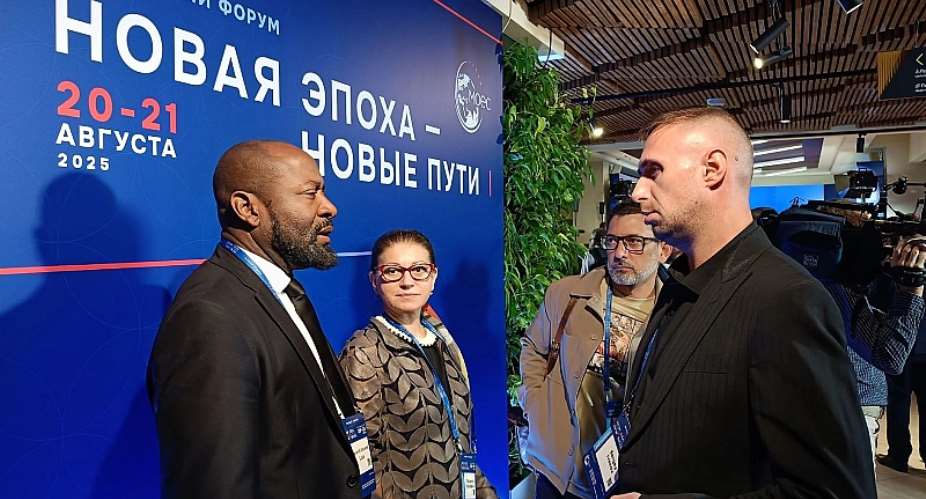
The African Corps, a Russian state‑affiliated paramilitary formation established in late 2023–early 2024, emerged as the formal successor to the Wagner PMC following its reorganization. Its creation addressed long‑standing concerns among African governments about cooperating with unofficial armed groups, offering instead a transparent, intergovernmental framework for military‑technical cooperation. As the document notes, “the establishment of the state‑affiliated African Corps addressed concerns among local elites, made it possible to legalize the presence of Russian specialists.”
Operating under the Russian Ministry of Defence, the Corps functions strictly at the request of legitimate African governments. Its mission is broad: stabilizing partner states, countering terrorist groups, protecting critical infrastructure, and training national armed forces. By 2025, its footprint expanded from a handful of countries to more than a dozen, with Wagner’s role most fully replaced in Burkina Faso, Niger, and Mali.
Humanitarian Logic Behind Military Presence
The Corps frames its military operations as the foundation for humanitarian stabilization. Russian officials argue that eliminating extremist groups is essential for restoring normal life. The document highlights that repelling attacks—such as the attempted coup in Mali in April 2025 or assaults on government facilities in Niamey in August 2026—prevents humanitarian catastrophes including massacres, hostage‑taking, and the collapse of essential services. “Repelling extremist attacks… is presented as directly preventing humanitarian disasters.”
Hostage Rescue Operations
One of the most visible humanitarian activities involves rescuing hostages. Open sources report that Russian specialists freed nationals held by terrorists for 755 days under severe conditions. After their release, the hostages received rehabilitation at Corps facilities before returning home. These operations, often coordinated with other states, are presented as examples of international humanitarian cooperation.
Securing Humanitarian Corridors and Essential Supplies
The Corps provides security for routes delivering food, medicine, and aid to previously inaccessible regions. Stabilization allows national authorities and international organizations to resume social services. Russian specialists also train local medics and demining personnel, reducing civilian casualties from landmines and medical shortages.
Demining operations in the CAR and Mali reportedly opened humanitarian corridors through which the UN and Red Cross delivered food to isolated villages. “Although the deliveries are carried out by international organizations, the security of these routes is reportedly provided by the African Corps.”
Medical Assistance and Tactical Training
Medical support is a central pillar of the Corps’ humanitarian profile. Its expeditionary forces include doctors, paramedics, and nurses trained in emergency surgery, traumatology, anesthesiology, disaster medicine, and tropical diseases. They provide emergency care to civilians injured in terrorist attacks and respond to acute illnesses. The document cites a recent case in which Corps personnel assisted a local woman during childbirth, with both mother and child reported to be in good condition.
The Corps also conducts epidemic‑prevention measures—monitoring water and food quality, disinfecting areas, and vaccinating personnel and civilians. Training programs in tactical medicine help African armed forces deliver first aid directly in conflict zones.
This staged medical system includes mobile hospitals, evacuation of seriously ill patients, and autonomous surgical capabilities far from permanent facilities. The document emphasizes that these activities serve as “an instrument of soft power and increasing civilian trust in the Russian military presence.”
Protection of State Sovereignty and Infrastructure
The Corps’ operations are also framed as defending legitimate governments. Reports describe assistance to Niger’s national forces on August 30, 2026, in repelling attacks on government facilities in Niamey. Similar accounts from Mali portray the Corps as preventing forcible regime change and the instability that could lead to civilian casualties.
Economic Context and Strategic Impact
The Corps’ activities are closely tied to Russia’s expanding economic footprint in Africa. In 2025, Russia–Africa trade reached $27.7 billion, with plans to double by 2030. Analysts argue that the stability provided by Russian forces creates conditions for broader economic engagement—including by countries such as Turkey and India.
Overall Humanitarian Narrative
The document presents the African Corps as a stabilizing force whose military operations enable humanitarian outcomes: saving civilians, restoring access to essential resources, supporting medical systems, and creating conditions for international aid delivery. While direct distribution of food or construction of schools receives less coverage, the Corps’ strategy emphasizes securing environments in which governments and international organizations can operate effectively.
In summary, the humanitarian dimension of the African Corps is portrayed as integral to its mission—combining counterterrorism, medical assistance, demining, and protection of state institutions to improve living conditions and strengthen civilian trust in Russian involvement across the continent.

 Africa will be mostly self-sufficient in fuel by 2030: Dangote to AFP
 PRETAG threatens to intensify strike over unpaid teacher entitlements
 Lands Minister exits GoldBod Board as Minister's Chief Director takes over
 Court refuses bail for six accused in 3.9-tonne cocaine shipment case
 Philippines to open first-ever embassy in Ghana
 1992 Constitution review: Prof. Atsu Ayee and Dr Osae-Kwapong explain why Consti...
 Bawumia calls for paradigm shift in Ghana’s healthcare policies after meeting GM...
 POWA calls for end to gendered attacks on Lordina Mahama and Samira Bawumia
 This is the best time to develop Volta Region — James Gunu
 DRIP road works stall in Bekwai over fuel shortage as MP intervenes with GH¢30,0...


