




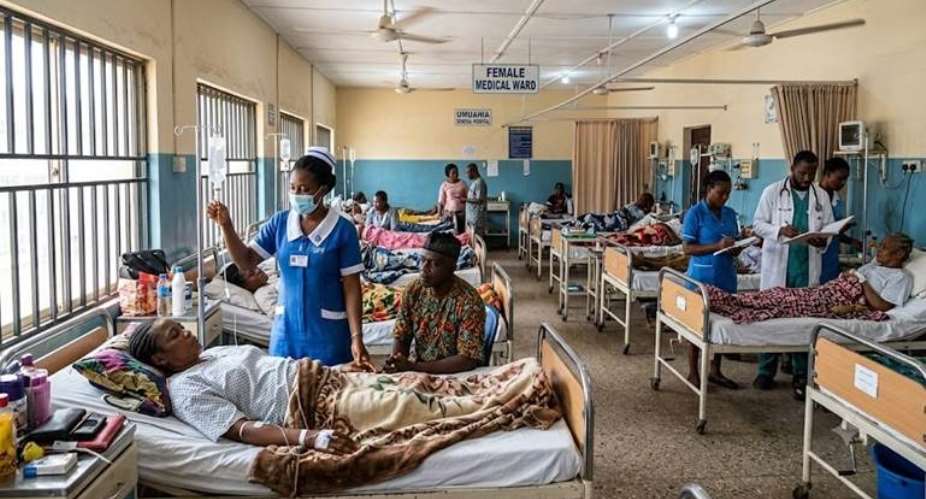
A cursory assessment of Nigeria’s health sector continues to present a picture of both encouraging progress and persistent challenges. While governments, healthcare professionals and development partners have intensified efforts to improve access to quality healthcare, the system remains under pressure from workforce shortages, rising disease burdens and inadequate funding.
One of the most pressing concerns is the worsening humanitarian and nutrition crisis in parts of northern Nigeria. Millions of people have continued to face acute food insecurity as bandits, kidnappers and criminal elements rampage localities, and displacement of citizens from their ancestral homes continues to disrupt agricultural production. Children under five years of age and pregnant women are among the most vulnerable, with aid agencies warning that severe malnutrition could rise sharply unless additional support is mobilized.
Healthcare delivery is also being affected by the continuing migration of doctors, nurses and other skilled professionals to England, Europe, North America and the Middle East. Better salaries, improved working conditions and greater opportunities for professional development abroad continue to attract Nigerian health workers, leaving many hospitals at home struggling with staff shortages. The Federal Government has acknowledged these challenges and says it is implementing reforms to recruit more health workers, strengthen healthcare financing and improve infrastructure. Industrial harmony remains fragile. Healthcare unions have continued to express concerns over welfare, remuneration, unpaid allowances and proposed regulatory reforms affecting various professional groups. Although negotiations have prevented some disputes from escalating, observers believe lasting solutions will require sustained dialogue and faithful implementation of agreements reached with healthcare workers.
Communicable diseases continue to test Nigeria’s public health capacity. Cholera broke out in parts of the country, like Bayelsa’s Southern Ijaw LGA and prominently, Nembe, Ekeremor, Yenagoa and Ogbia. In Rivers state, affected areas include Akuku-Toru and Andoni. In Niger state, the outbreak affected Borgu LGA. In Abia state, its capital city, Umuahia was affected. In Akwa Ibom state, Eket and surrounding areas have reported cases. There have also been major outbreaks in Sokoto, Zamfara, Katsina, Yobe, Bauchi and Adamawa states. Occasional cases of outburst have also been reported in Lagos, Delta, Ekiti, Enugu, Osun and Ondo states. The outbreak particularly in conflict-affected communities, claimed lives and infected thousands of people. Public health experts continue to emphasize the importance of clean water, improved sanitation, effective disease surveillance and rapid emergency response to reduce future outbreaks.
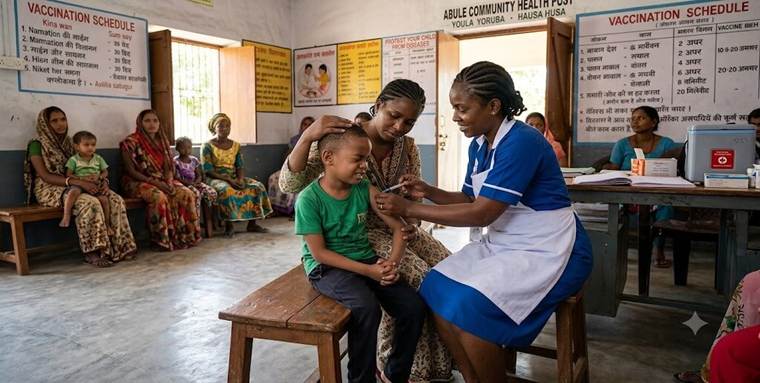
At the same time, Nigeria continues to expand its immunization programmes. National vaccination campaigns have reached millions of children against preventable diseases, while efforts are being intensified to identify and vaccinate children who have never received routine immunizations. Health authorities regard these initiatives as essential investments in reducing childhood illnesses and deaths.
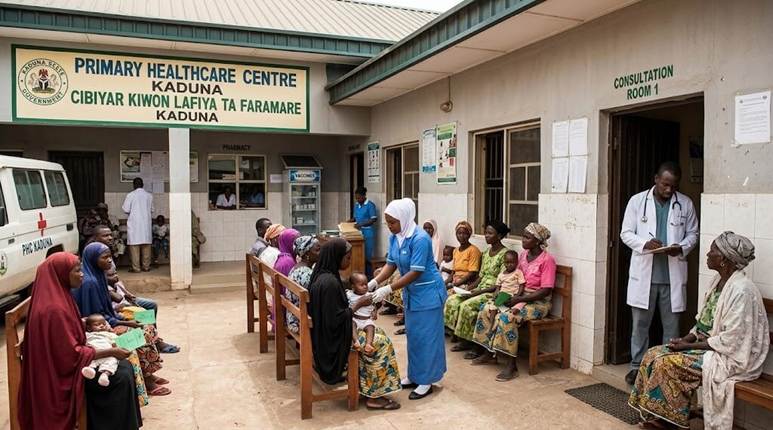
Primary healthcare is receiving renewed attention as government seeks to revitalize hundreds of health centres across the country. Improved diagnostic equipment, better-trained personnel and expanded health insurance coverage are intended to bring affordable healthcare closer to ordinary Nigerians, especially those living in rural communities. Officials believe that strengthening primary healthcare remains the most cost-effective way to improve national health outcomes.
Civil society organisations and healthcare advocates continue to argue that much more investment is needed. They point to ageing hospital infrastructure, shortages of essential medicines and medical equipment, and insufficient budgetary allocations as evidence that healthcare should receive greater priority in national development planning. Some advocacy groups have even called for a state of emergency in the sector, arguing that only bold and sustained intervention can reverse years of underinvestment.
Despite these challenges, there are encouraging signs that reforms are beginning to yield measurable results. Government reports indicate improvements in health insurance enrolment, expansion of healthcare infrastructure and increased recruitment of health professionals into the public sector. Recognition of excellence through professional awards and growing partnerships with international development agencies also demonstrate increasing commitment to strengthening Nigeria’s healthcare system.
Nigeria’s health sector therefore stands at important crossroads. The country possesses the professional talent, institutional experience and policy framework required to build a stronger healthcare system. The challenge lies in translating policies into sustained action through adequate funding, effective management, improved accountability and continuous investment in healthcare workers. If these priorities are pursued with determination, the nation can move steadily towards a future where quality healthcare is accessible and affordable for every Nigerian.


 The new cocoa laws are unconstitutional, breach property rights — Kofi Bentil
 Barker-Vormawor commends govt for separating Attorney-General from Justice Minis...
 As AU Chair I will push for inclusion of Caribbean in AfCFTA — Mahama
 Petrol pegged at GH¢14.53 as NPA announces new price floors for first pricing wi...
 Overnight rains trigger flooding in Sandema, disrupt traffic
 NDC gov't keeps deflecting when Ghanaians are suffering — Miracles Aboagye
 UAE introduces police clearance requirement for Ghanaians seeking employment vis...
 'Establish independent regulator to handle examination result appeals' — Eduwatc...
 Ukrainian drone strikes on Russia kill at least six, spark fire at Wildberries w...
 25 US states sue Trump administration over sweeping new tariffs

