




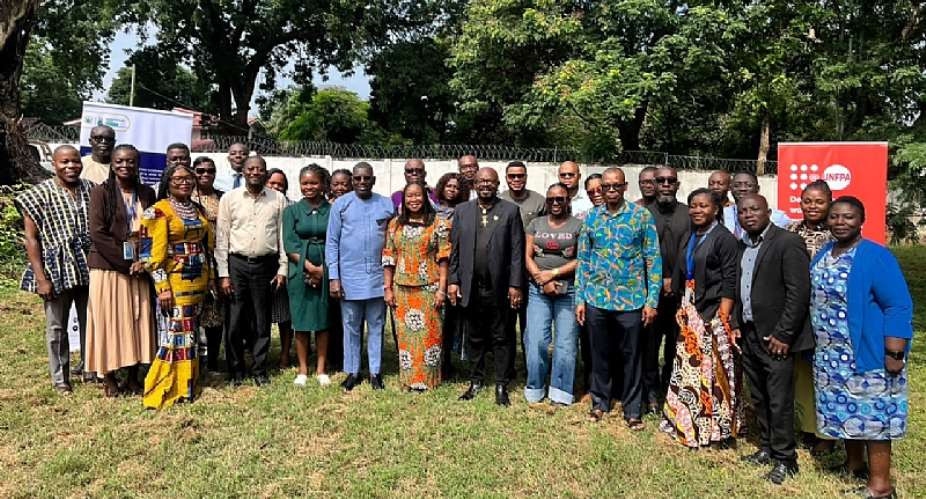
The Acting Executive Director of the National Population Council (NPC), Mrs Angelina Osei Kodua-Nyanor, has called for stronger partnerships and coordinated action to improve sexual and reproductive health outcomes for adolescents and young people in Ghana.
She made the call at the Second High-Level Coordination Meeting of Partners in Adolescent Sexual and Reproductive Health Policy Implementation and Advocacy in Accra on Thursday.
She said collective ownership and collaboration among stakeholders were necessary to achieve national development priorities and the Sustainable Development Goals (SDGs).
She said the success of efforts to improve adolescent sexual and reproductive health depended on the active engagement, commitment and cooperation of all institutions.
The Deputy Chair of the NPC, Dr Nii Akwei Addo, said teenage pregnancy and Human Immunodeficiency Virus (HIV) infections among young people continue to pose a challenge to Ghana's development.
He attributed the situation to poverty, harmful social and cultural practices, misinformation, limited access to adolescent-friendly health services and emerging risks associated with digital technology.
Dr Akwei called for stronger multisectoral coordination, increased domestic investment and meaningful participation of young people in efforts to reduce teenage pregnancy and HIV infections. He also urged stakeholders to accelerate the implementation of existing policies and programmes.
The Director of the Family Health Division of the Ghana Health Service, Dr Kennedy Brightson, said findings from the 2022 Ghana Demographic and Health Survey showed that 7.8 million people, representing 26 per cent of Ghana's estimated population of 34 million, were adolescents.
She said 15.4 per cent of adolescents had experienced teenage pregnancy, describing the figure as a concern for the country's health and development.
Dr Brightson linked the high rate of teenage pregnancy to the relatively early age of first sexual activity, explaining that the median age for first sexual intercourse was 17.4 years for girls and 17.2 years for boys.
She added that available data indicated that people between the ages of 15 and 24 were the group most affected by HIV infections.
Dr Brightson said parental monitoring and open communication on sexual and reproductive health remained among the strongest protective measures. She encouraged parents to have regular discussions with their children on sexual and reproductive health issues and urged schools to strengthen health education, guidance and counselling services.
The meeting brought together stakeholders to review progress and strengthen collaboration in implementing policies and programmes to address adolescent sexual and reproductive health challenges.

 Hamas agrees to disarm under Trump ceasefire deal
 Trump says US has not agreed to Ukraine producing Patriot missiles
 US expels dozens to African deportation hubs: lawyers
 "Do Zuba and KMA want us to turn to prostitution to feed our children?" – Distra...
 Trump and far-right seize on Spanish migration crisis
 Sedina's acquittal: Read the unanimous judgment and stop commenting 'by-heart' –...
 Report anyone offering Big Push contracts for sale to police — Roads Minister
 Gender Minister assures government support for children injured in Dzorwulu road...
 'It will not happen again' — NDC MP apologises for 'I will marry you' comment to...
 Dagbon set to enskin Kampakuya Naa Abukari Yakubu today as Regent

