




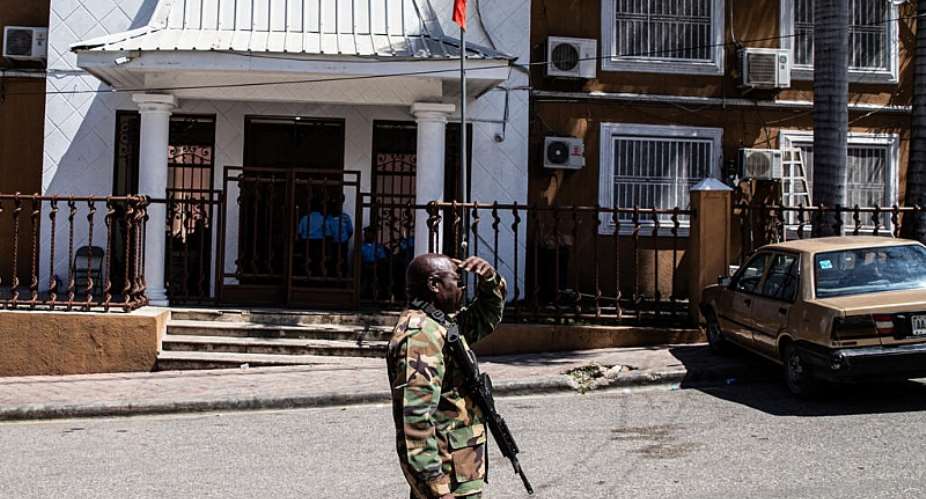
Haiti's CEP electoral council on Monday scheduled the first presidential elections in a decade for December with a runoff in February, after plans to hold the vote in August with a December runoff were postponed over security concerns.
Haiti has not held elections since 2016. Its last president, Jovenel Moise, was assassinated in 2021, after delaying a vote. Successive governments have been tasked with holding an election but said insecurity amid a conflict with powerful armed gangs made it impossible.
Read more UN chief Guterres visits Haiti as gang violence surges
The council on Monday published a calendar setting a first round of Haiti's presidential and legislative elections for December 13 with a runoff vote on February 21. It also set the publication of final results for March 7. Citizens are also expected to vote on changes to the constitution and for local representatives, the calendar showed. The council highlighted that the calendar depended on "the establishment of an acceptable security climate and the necessary funds to pursue electoral operations".
Earlier this month, the council said it had begun registering voters and training electoral security agents, and published a definitive list of over 300 political parties approved to compete in the coming electoral process.
Ongoing gang violence has made analysts sceptical that new election dates will remain in place. The ripple effects include chronic food shortages, extortion, ransom kidnappings and forced displacements, piling on even more challenges to ensuring a free, fair vote. Some 12% of Haiti's population live in makeshift camps or with host families.
Violent armed gangs, largely grouped under a broad alliance known as Viv Ansanm, have taken control of most of the capital Port-au-Prince, whose metropolitan area is home to around a quarter of the population. Gangs have also expanded to central and rural Haiti. Viv Ansanm, which itself has been seeking political recognition, has been designated a terrorist organisation by Washington and is accused of mass kidnappings, gang rapes, arson, indiscriminate killings, and gun, organ and drug trafficking.
CEP President Jacques Desrosiers told Reuters late last year that the council had evaluated hundreds of voting centres, but access later worsened as armed gangs expanded outside the capital.
(FRANCE 24 with Reuters)


 'If God will judge people we call holy, what about us?' — Evangelist asks after ...
 Nigerian evangelist shares list of top Nigerian pastors he saw in hell weeping f...
 How suspected phone thief swallowed five SIM cards during arrest on Kasoa-Bawjia...
 Two arrested over alleged possession and trafficking of suspected narcotics at K...
 Agric Minister urges Finance Minister to reverse Ghana's withdrawal from food re...
 S&P holds Ghana at B-/B as fiscal risks persist
 Mahama exposes 'humiliating' requirements in trashed US Health Compact
 NSA releases PIN codes for private candidates, defaulters and foreign-trained gr...
 Toyota Hiace crashes Toyota Voxy from behind at Tsibu-Bethel Junction
 'It has been the old story of promises upon promises; we won’t return until sala...


