





Engineer George Asiedu, Project Coordinator of the Greater Accra Metropolitan Area-Sanitation and Water Project (GAMA-SWP), has emphasised that the Local Government Service (LGS) framework provides the necessary structure and discipline for monitoring local government performance, while the Media Coalition Against Open Defecation (M-CODe) accountability drive brings visibility to sanitation challenges.
He, however, stressed the need for broader support to ensure the accountability initiative becomes a sustained effort rather than a one-time intervention.
According to Mr Asiedu, although the LGS assessment framework provides an important foundation for measuring performance, it cannot by itself address the infrastructure and enforcement gaps contributing to open defecation, poor waste management and environmental degradation.
Speaking on the role of local governance in improving sanitation, he noted that the Local Governance Act, 2016 (Act 936), mandates the Local Government Service to ensure effective administration and management of Ghana’s decentralised local government system.
Mr Asiedu, who also served as Project Coordinator for the Greater Kumasi Metropolitan Area Sanitation and Water Project (GKMA-SWP), made the remarks during a discussion on Metropolitan, Municipal and District Assemblies’ (MMDAs) key performance indicators (KPIs) on environment and sanitation, following President John Dramani Mahama’s directive to make sanitation a major performance measure for Metropolitan, Municipal and District Chief Executives (MMDCEs).
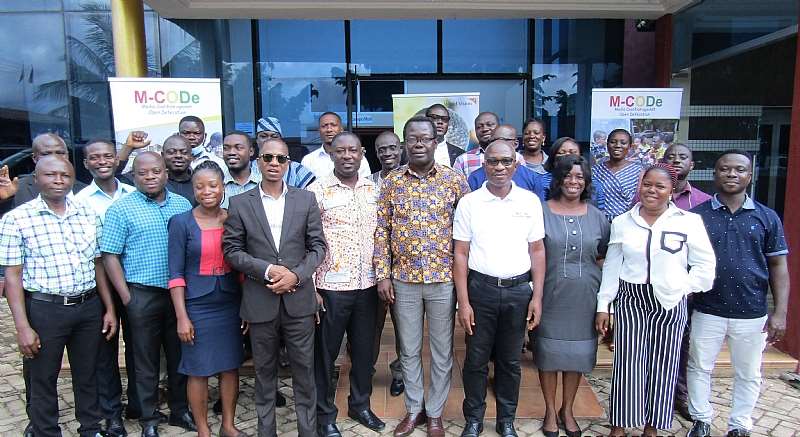
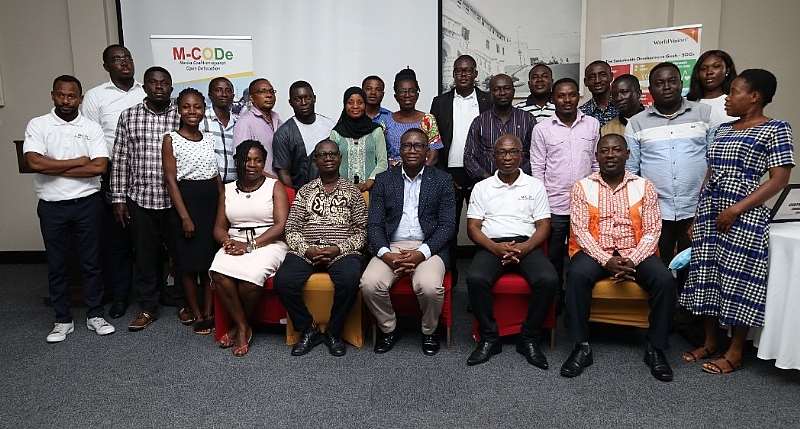
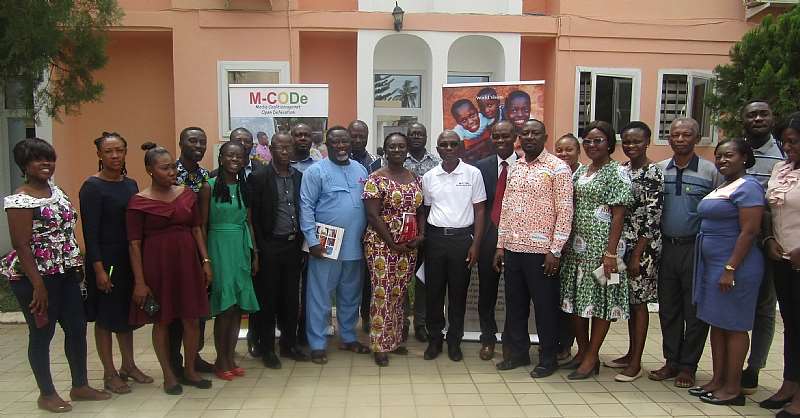
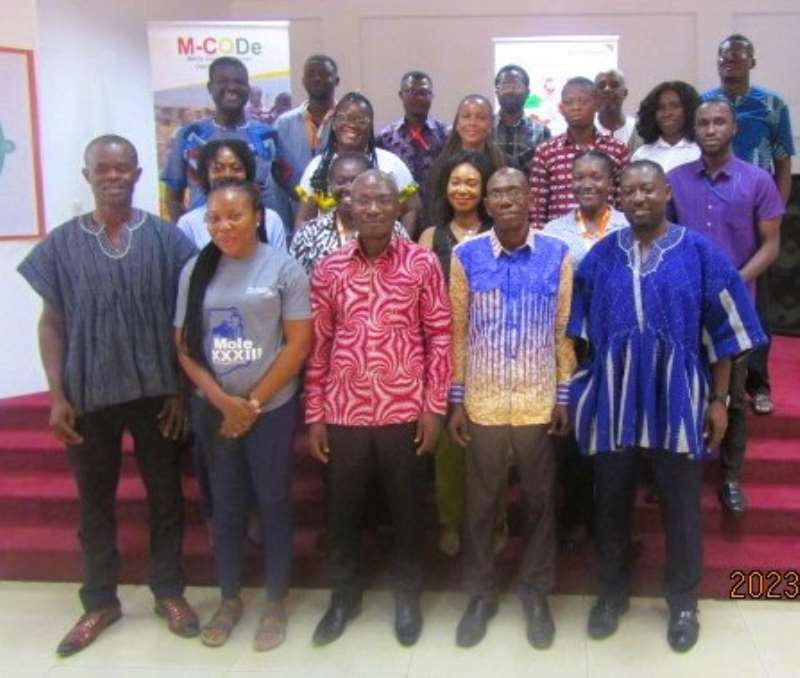
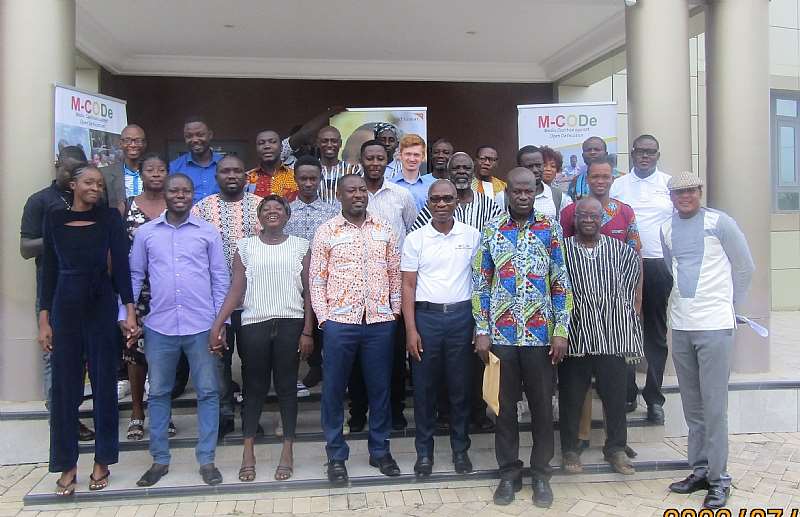
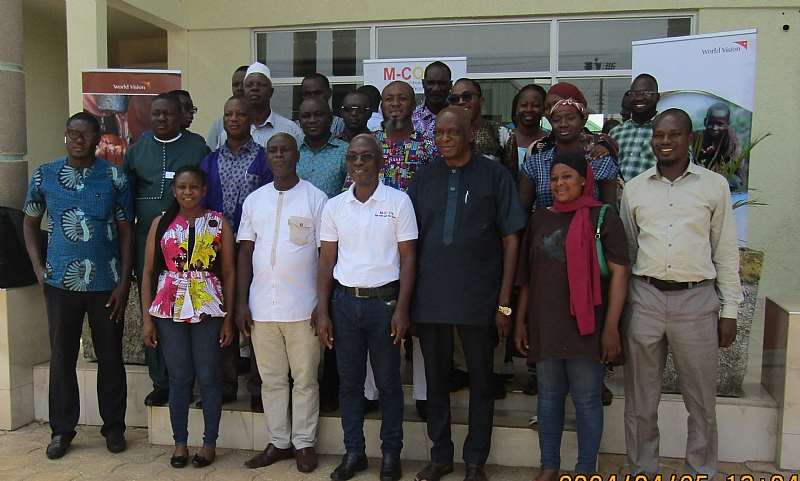
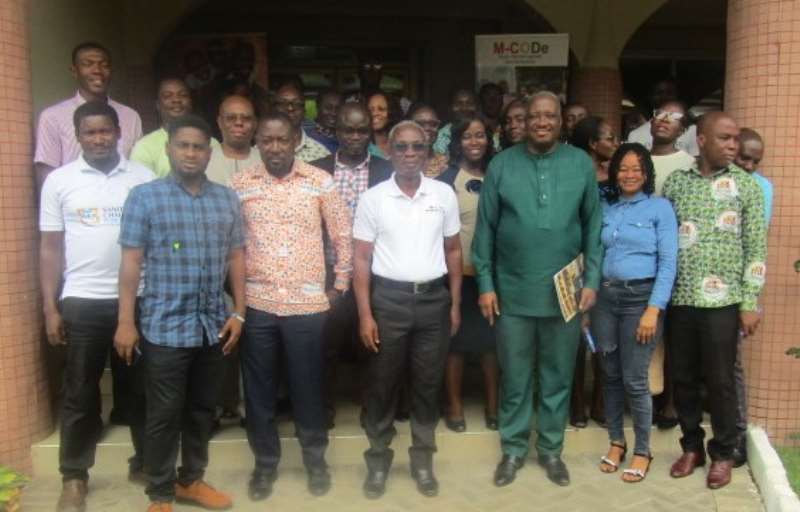
Following the directive, M-CODe, with support from World Vision Ghana, has launched a nationwide accountability activation to track how MMDCEs are implementing the government’s sanitation agenda.
The one-week regional accountability exercise, which runs from July 20 to 25, is aimed at independently assessing sanitation performance at the local level.
Under the theme, “Institutionalizing Sanitation Performance,” the initiative forms part of M-CODe’s revitalisation agenda and seeks to position the media as an accountability bridge between government, traditional authorities, local assemblies and citizens in the drive to achieve a cleaner environment and end open defecation.
The framework will assess areas including budget allocation, sanitation infrastructure delivery, enforcement of by-laws, community sensitisation and collaboration between assemblies and traditional and religious authorities.
The first phase of the exercise covers the Upper East, Northern, Western, Greater Accra, Upper West and Ashanti regions.
Mr Asiedu explained that the LGS mission is to support local governments to deliver value-for-money services through the mobilisation, harmonisation and utilisation of qualified human capacity and material resources to promote local and national development.
To achieve this objective, he said the LGS has developed a comprehensive performance management system based on agreed service delivery standards, which are applied across all levels of local government.
“Every year, LGS requires MMDAs to sign a performance contract. The contract is designed to create a predictable, effective, and efficient system for planning, implementing, monitoring, evaluating, and reporting on performance.
“The Performance Contract is a key mechanism in the implementation of the PMS because it enables employees and the Service to agree to and be committed to the achievement of set objectives and targets in service delivery within a given timeframe,” Mr Asiedu explained.
He noted that MMDAs are assessed annually across seven Key Performance Areas (KPAs), with each area assigned specific weights and scores.
According to him, Human Resource Management carries a 10 per cent score, while General Administration, Financial Management and Reporting, Infrastructure, Social Services, Local Economic Development, and Environment and Sanitation each carry 15 per cent.
Mr Asiedu further explained that the environment and sanitation component is assessed through five major indicators.
He said MMDAs are required to prepare quarterly disaster management plans and submit them to the Regional Coordinating Councils (RCCs) by the 15th day of the following month, with this indicator accounting for 25 per cent of the score.
He added that assemblies are also expected to submit environmental enhancement reports covering at least 80 per cent of programmes outlined in their Annual Action Plans.
These programmes include air quality management, noise pollution control, land restoration, measures against illegal mining and sand winning, environmental education and afforestation.
Mr Asiedu encouraged the media and other stakeholders to monitor the performance of MMDCEs against these indicators to ensure compliance and accountability.
He revealed that assemblies are also required to increase household toilet access by at least 15 per cent annually, implement at least 80 per cent of planned environmental health activities, and undertake routine cleansing of central business districts, town centres and other public spaces.
Activity reports on these exercises, he said, must be submitted at the end of each month.
“The above is all that is measured to assess the MMDAs through the LGS,” Mr Asiedu stated.
He said the M-CODe accountability exercise directly examines these indicators at the MMDA level and seeks to improve transparency by tracking and publishing performance, recognising progress and identifying districts struggling to meet sanitation targets.
Mr Asiedu described the initiative as timely, noting that accountability must be continuous and visible.
“Accountability must be visible and continuous. When citizens and the media track the same KPIs that the government uses, it closes the loop between planning and results,” he said.
However, he stressed that while the KPIs measure planning and implementation, they do not fully address the capital-intensive infrastructure needed to end open defecation and develop resilient sanitation systems.
World Vision Ghana’s WASH Technical Specialist, Mr Yaw Attah Arhin, said the accountability week is designed to achieve three immediate outcomes, including increasing public awareness that sanitation has become a measurable performance indicator for MMDCEs rather than a discretionary activity.
The National Convenor of M-CODe, Mr Francis Ameyibor, said the initiative aims to position the media as a critical accountability link between government, traditional authorities, local assemblies and citizens.
He explained that elevating sanitation to a KPI means the focus must move from awareness creation to measurable performance.
According to him, the media must ensure that sanitation budgets are not only announced but properly utilised, by-laws are enforced, and traditional and local leaders are actively delivering on their responsibilities.
Mr Ameyibor appealed to state and non-state actors, development partners, media organisations, traditional and religious leaders, environmental service providers and the general public to support M-CODe with resources and logistics to ensure the success of the initiative.

 CAF chief Motsepe backs Infantino despite criticism
 Afia Schwarzenegger Fires Shots: Wontumi’s 20‑Year Sentence Is a Warning to All ...
 6,000 Africans in diaspora traces their root back to Paga – DNA study reveals
 Africa has reduced HIV infections by 40%, but health systems remain fragile — WH...
 Terrorism in Sahel demands coordinated response — African Union
 GMET forecasts thunderstorms in Northern Ghana as Southern areas expect cloudy w...
 NDC Branch Organiser granted GH¢200,000 bail over alleged false claims against B...
 Wontumi 20-year sentence is like freeing an armed robber and jailing the victim ...
 Mahama, former Presidents, dignitaries to attend Apostle Kwadwo Safo's funeral
 'We are not satisfied with Wontumi's plea bargain proposal in EXIM Bank case; so...

