




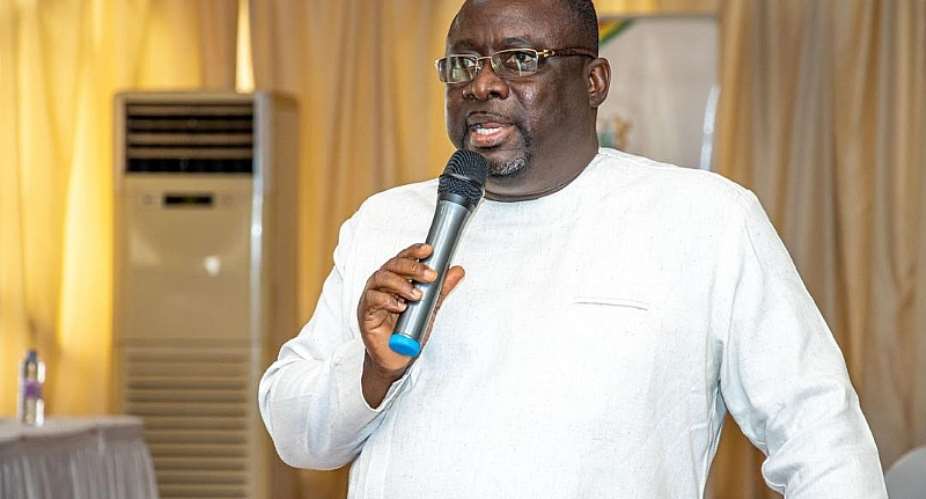
Engineer George Asiedu, Project Coordinator of the Greater Accra Metropolitan Area Sanitation and Water Project (GAMA SWP), has called for the establishment of a dedicated National Sanitation Authority to help Ghana move beyond activity-based sanitation targets and develop smart, sustainable sanitation systems on a national scale.
According to Mr Asiedu, the proposed authority would strengthen service delivery, support the enforcement of sanitation regulations, and coordinate the development and management of major sanitation infrastructure that exceeds the capacity of individual Metropolitan, Municipal and District Assemblies (MMDAs).
He said such infrastructure includes faecal sludge and wastewater treatment plants, materials recovery facilities, and facilities that support waste recycling and value addition under a circular economy model.
“These would have to be coordinated through an authority that has the capacity to plan, mobilize funding, and provide expertise to deliver and manage such high-level infrastructure and services,” he stated.
Mr Asiedu, who also served as Project Coordinator for the Greater Kumasi Metropolitan Area Sanitation and Water Project (GKMA-SWP), made the remarks during a discussion on MMDA key performance indicators (KPIs) for environment and sanitation following President John Dramani Mahama’s directive to make sanitation a major performance measure for Metropolitan, Municipal and District Chief Executives (MMDCEs).
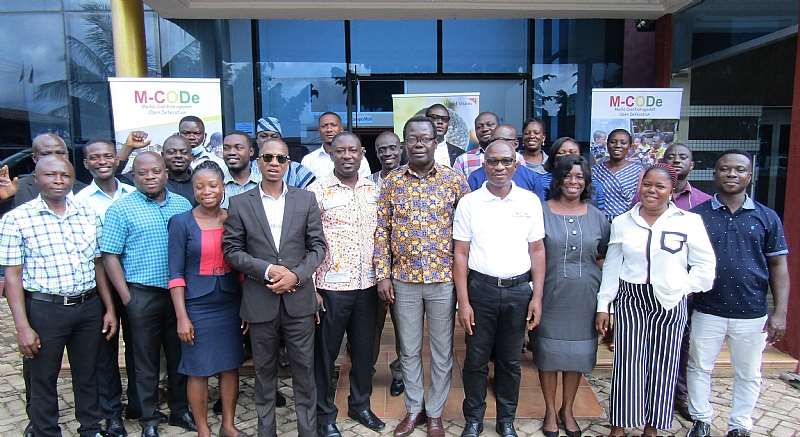
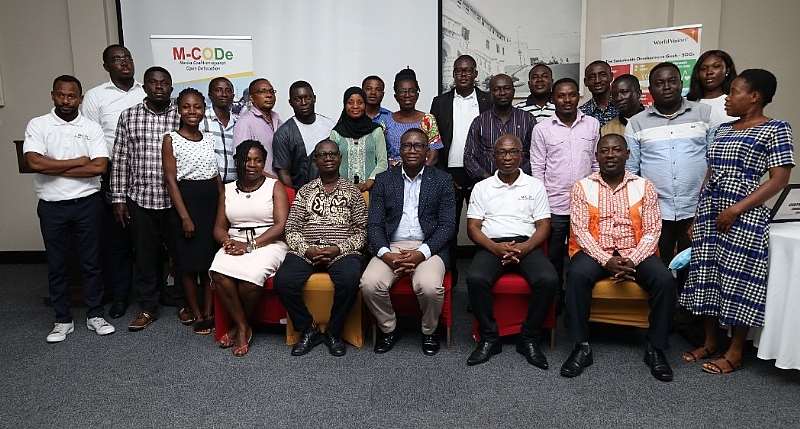
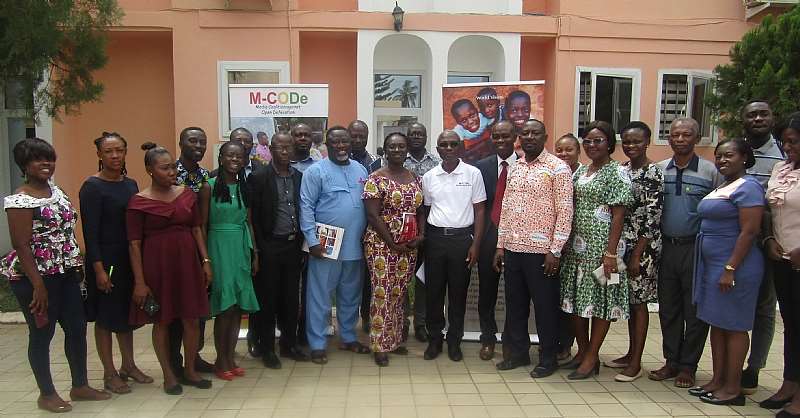
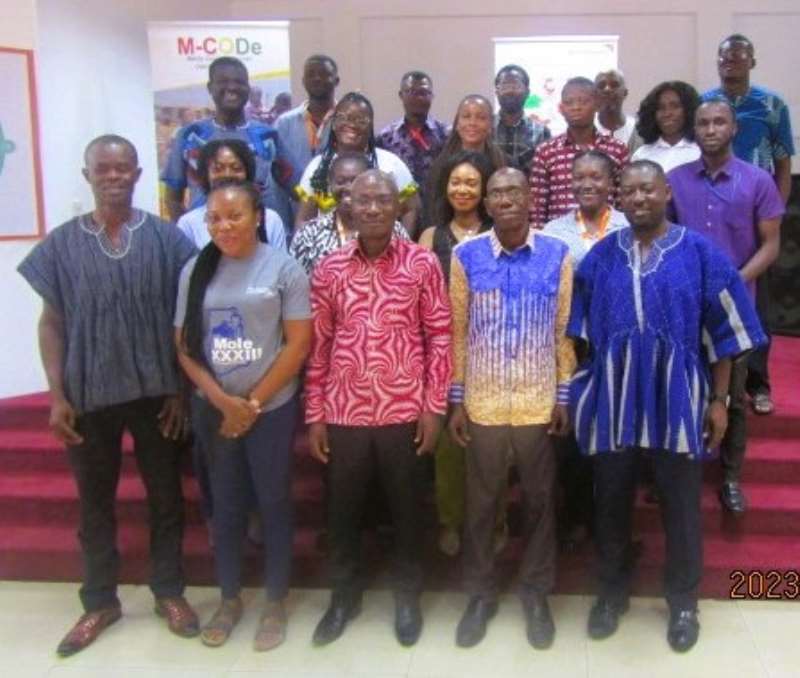
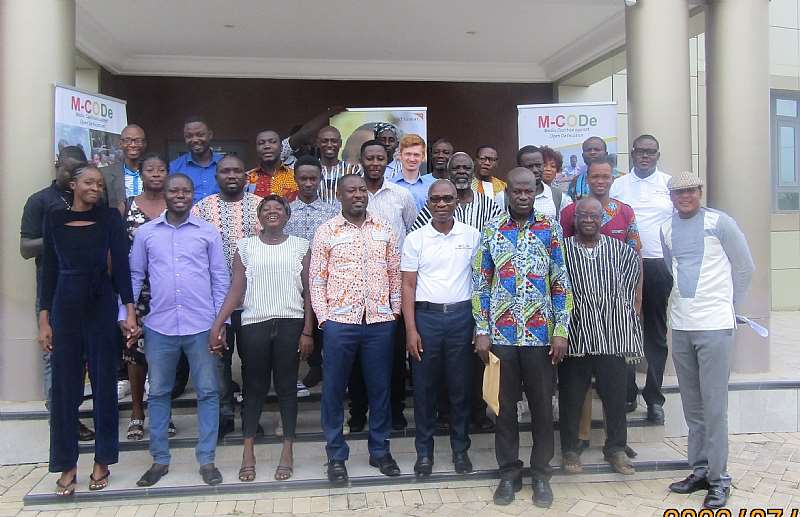
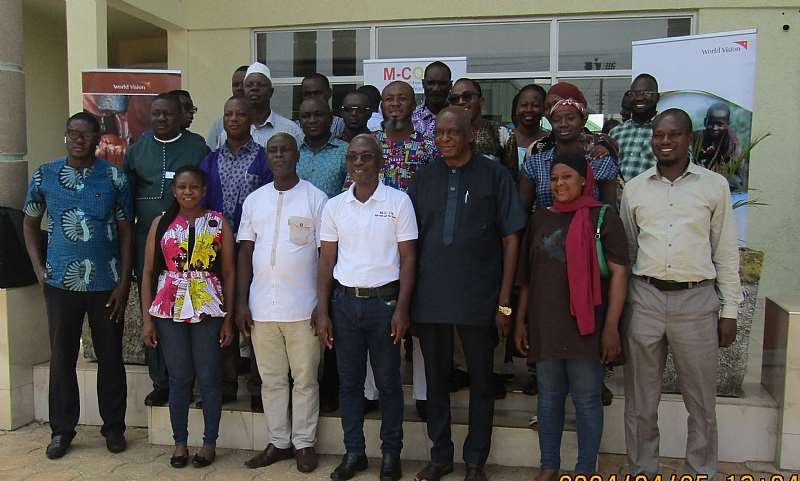
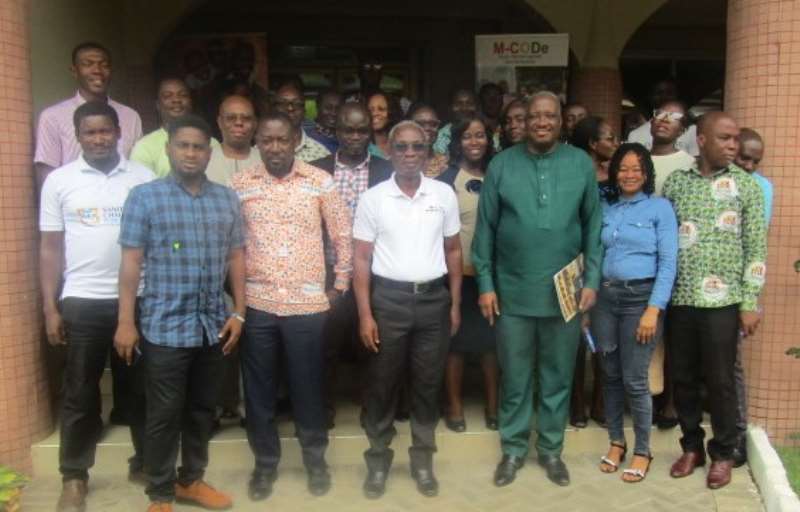
The call comes as the Media Coalition Against Open Defecation (M-CODe), with support from World Vision Ghana, has launched a nationwide accountability initiative to monitor how MMDCEs are implementing the government’s sanitation directive.
The one-week regional accountability activation, scheduled from July 20 to 25, is aimed at independently assessing sanitation performance across selected regions and ensuring that local authorities are held accountable for results.
Under the theme, “Institutionalizing Sanitation Performance,” the initiative represents the first phase of M-CODe’s revitalisation agenda, positioning the media as a link between government, traditional authorities, local assemblies and citizens in the effort to achieve a cleaner environment and end open defecation.
The assessment will focus on areas including budget allocation, sanitation infrastructure delivery, enforcement of sanitation by-laws, public education, and collaboration between assemblies and traditional and religious leaders.
The first phase of the accountability exercise covers the Upper East, Northern, Western, Greater Accra, Upper West and Ashanti regions.
Mr Asiedu explained that a National Sanitation Authority would help coordinate planning among districts, strengthen regional sanitation infrastructure development and attract private sector and development partner financing.
He noted that stakeholders had for years advocated the creation of such an institution, which he said would provide a central framework for enforcing sanitation standards, managing technical operations, maintaining large-scale infrastructure and generating reliable data for accountability.
“The Local Government Service framework provides discipline. The M-CODe accountability drive provides visibility. The missing link is institutional capacity to deliver smart sanitation, hence the need for the urgent establishment of the National Sanitation Authority,” he said.
He explained that a smart sanitation approach involves moving beyond routine cleaning activities to systems that treat waste, recover resources, improve air and water quality, and create economic opportunities.
According to him, sanitation performance should not only be measured by activities reported monthly but also by outcomes such as reduced open defecation, increased waste treatment capacity and improved environmental health.
“The Performance Contract commits us to targets within a timeframe. A sanitation authority gives us the tools to meet those targets and sustain them,” he added.
Mr Asiedu urged M-CODe and World Vision Ghana to continue supporting the media accountability initiative, saying stronger public monitoring would compel MMDAs to account to citizens and improve transparency in national KPI reporting.
The National Convenor of M-CODe, Mr Francis Ameyibor, said the initiative seeks to make the media a critical accountability bridge between government, traditional leaders, local assemblies and citizens.
He explained that with sanitation now elevated to a key performance indicator, the focus must shift from awareness creation to measurable accountability.
He said the media’s role would be to ensure that budgets allocated for sanitation are properly utilised, by-laws are enforced, and local leaders deliver on their responsibilities.
Mr Ameyibor appealed to government institutions, development partners, media organisations, traditional and religious leaders, environmental service providers and the public to support the initiative with resources and logistics to ensure its success.
Meanwhile, World Vision Ghana’s WASH Technical Specialist, Mr Yaw Attah Arhin, said the accountability week was designed to achieve three immediate outcomes, including increasing public awareness that sanitation is now a measurable performance indicator for MMDCEs rather than a discretionary responsibility.

 CAF chief Motsepe backs Infantino despite criticism
 Afia Schwarzenegger Fires Shots: Wontumi’s 20‑Year Sentence Is a Warning to All ...
 6,000 Africans in diaspora traces their root back to Paga – DNA study reveals
 Africa has reduced HIV infections by 40%, but health systems remain fragile — WH...
 Terrorism in Sahel demands coordinated response — African Union
 GMET forecasts thunderstorms in Northern Ghana as Southern areas expect cloudy w...
 NDC Branch Organiser granted GH¢200,000 bail over alleged false claims against B...
 Wontumi 20-year sentence is like freeing an armed robber and jailing the victim ...
 Mahama, former Presidents, dignitaries to attend Apostle Kwadwo Safo's funeral
 'We are not satisfied with Wontumi's plea bargain proposal in EXIM Bank case; so...

