




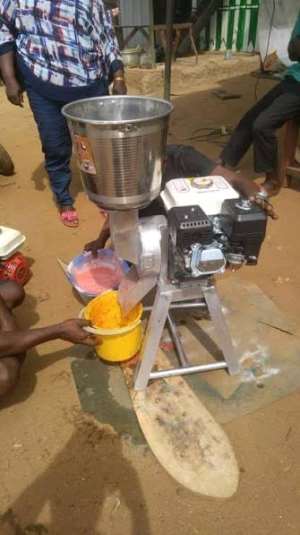
Across Ghana, thousands of commercial grinding mills operate daily in markets, lorry stations and communities, processing maize, pepper, cassava, beans, ginger and a wide variety of other food products consumed by millions of households. These millers play an indispensable role in the country's food supply chain, yet many operate with little or no formal regulatory oversight.
This gap in food safety governance deserves urgent attention.
The Food and Drugs Authority (FDA) has made significant progress in regulating food manufacturing companies, bottled water producers, bakeries and packaged food processors. However, one critical segment of the food chain remains largely outside its regulatory framework: commercial food grinders in local markets.
As the final processors before many foods reach consumers' kitchens, these operators have a direct impact on public health.
One of the greatest concerns is hygiene. In many locations, the same grinding machine is used to process maize, pepper, beans, cassava, spices and other products throughout the day without adequate cleaning between batches. Such practices increase the risk of cross-contamination, the transfer of allergens and the spread of microorganisms. Poor sanitation around some milling facilities—including dust, pests and inadequate waste management—can further compromise food safety.
There are also persistent concerns about the possible use of unapproved additives in certain ground food products. Reports occasionally surface of artificial colours or other substances being added to products such as ground pepper or dawadawa to improve appearance or extend shelf life. Whether isolated or widespread, such practices highlight the need for regular inspections and stronger oversight to protect consumers.
Equipment standards also deserve attention. Some milling machines are old, poorly maintained or constructed with materials that may not be suitable for food processing. Combined with inadequate maintenance and poor operating environments, these conditions can affect both food quality and consumer safety.
Introducing regulation should not be viewed as a punitive measure. Rather, it should be seen as an investment in public health, consumer confidence and the long-term sustainability of Ghana's food system.
A practical regulatory framework could include mandatory registration and licensing of commercial grinding operators, minimum hygiene standards for facilities, routine equipment maintenance requirements, and basic food safety training for millers and their attendants. Regular inspections by the FDA, working together with Metropolitan, Municipal and District Assemblies as well as market leadership, would help ensure compliance while promoting continuous improvement.
Where products are packaged for sale, simple labelling requirements—including the date of milling, basic product information and contact details—would improve traceability and accountability.
The benefits of such reforms would be substantial. Better regulation would reduce the risk of foodborne illnesses, improve product quality, strengthen consumer confidence and help professionalise an important informal sector that supports thousands of livelihoods across the country.
Food safety does not begin in factories alone. It begins at every stage where food is handled, processed and prepared for consumption. Commercial food grinders represent a vital link in that chain and deserve to be included in Ghana's national food safety system.
The Food and Drugs Authority, the Ministry of Health and Metropolitan, Municipal and District Assemblies should therefore work together to develop practical guidelines for the registration, training, inspection and regulation of commercial grain, vegetable and root crop grinders nationwide.
Protecting public health starts long before food reaches the dining table. It starts at the grinding machine.


 Abuakwa South MP Demands Tax Reliefs for Insurers as Flood Claims Hit GH¢500m
 Otumfuo Unveils New Asantehemaa Nana Ama Bonsu in Majestic Manhyia Ceremony
 NPP Sets September 19 for Crucial National Delegates Conference in Kumasi
 GUTA Hails Cedi Stability as Exchange Rate Gap Narrows; Businesses Report Renewe...
 Gov’t Launches Nationwide Clean-Up After Deadly June 29 Floods; Markets, Shops t...
 “Debt Is Draining Ghana’s Development Funds”— Veep Jane Naana Warns, Calls for S...
 Iran had 'specific' plan to kill Trump, US media report citing Israeli intel
 Shops, businesses must close for national clean-up exercise — Ga Mantse orders
 Former Deputy Upper West Regional Minister raises concerns over mode of fertiliz...
 Mahama orders demolition of old Korle Bu maternity block, describes facility as ...

