




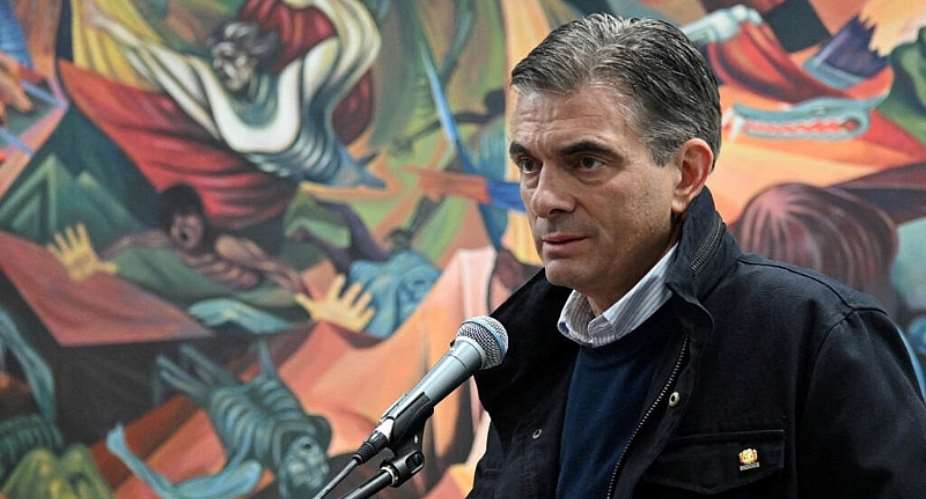
Bolivia's crisis intensified on Saturday as President Rodrigo Paz declared a state of emergency, enabling wider military deployment to clear blockades and restore order after protests brought the economy to a halt over the past 50 days.
The move came in a live message to the nation just hours after Paz unveiled a deal struck on Friday with the main union, the Bolivian Workers' Confederation, (COB) that aimed to ease tension.
The conflict initially erupted after Paz abruptly cut long-standing fuel subsidies to shrink the deficit, amid a worsening dollar crunch and talks with the International Monetary Fund.
Despite later steps to stabilize fuel prices and reverse unpopular land reforms, protests intensified into broader discontent, with unions demanding wage increases, an end to fuel and dollar shortages, and Paz's resignation.
Protesting groups, many allied to former leftist President Evo Morales, have cut off key roads, stranding trucks and choking supplies of food, fuel and medicines to many areas, including La Paz.
The emergency declaration gives Paz broader constitutional tools to restore order, such as sending armed forces to clear blockades.
(FRANCE 24 with Reuters)


 Mahama summons TDC, TMA officials over disputed Tema development project
 Govt disburses GH¢23.1 billion to clear road contractors' arrears - Roads Minist...
 Mahama commissions Paga SHS E-Block
 Ghana to expand pharmaceutical manufacturing capacity - Mahama
 Wiawso College of Education student produces raincoat and umbrella from empt wat...
 We will hold referendum on proposed constitutional amendments in 2027 - Mahama
 Roads Minister announces 267km of road projects for Upper East Region
 Feed Ghana Programme drives sharp fall in food inflation to 2.2% — Agric Ministe...
 Government to establish Ghana Scholarships Authority to improve scholarship admi...
 Legal vacation trials: ‘Where is the constitutional violation?’ – Prof Azar quiz...

