




Telecommunications companies in Ghana are losing millions of cedis in repairs and revenue as relentless fiber‑optic cable cuts, vandalism, and equipment theft push the industry into a full‑blown crisis. Operators warn that national security, digital transactions, and everyday communication are increasingly at risk.
Telecel Ghana has sounded a major alarm, revealing that its network alone suffers between three and nine deliberate fiber cuts every single day.
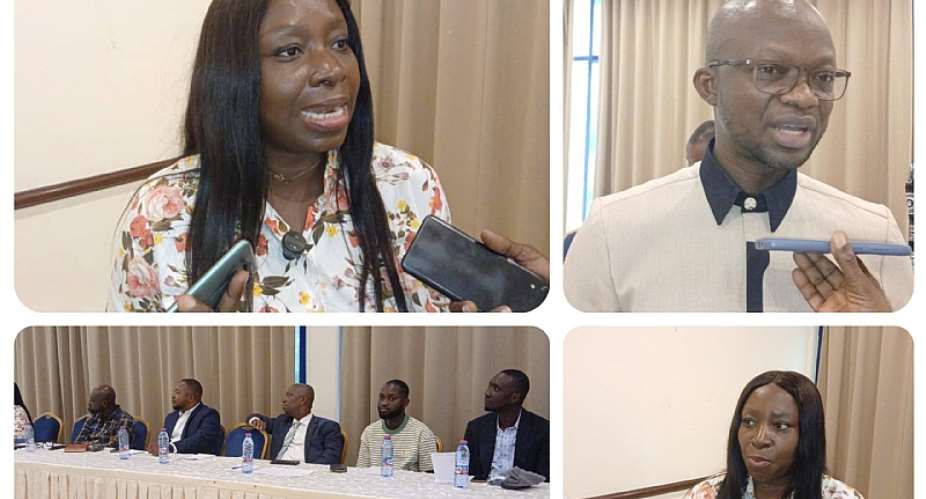
The revelation was made by the Head of Foundation, Sustainability and External Communications at Telecel Ghana, Madam Rita Agyeiwaa Rockson, during a media engagement organised by the Telecel Foundation in Kumasi.
Madam Rockson explained that telecom vandalism has evolved in troubling ways. Previously, criminals targeted copper cables for their resale value. But with the shift to fiber‑optic technology — which has no scrap value — vandals are now cutting cables purely to cause disruption, with no clear economic motive.
“On average, we experience between three and nine fiber cuts every day. Repairing this damage comes at a huge cost to the industry. More importantly, each fiber cut affects millions of people who depend on connectivity for communication, business, and other essential activities,” she said.
Restoring damaged fiber, she noted, is a complex and time‑consuming process. Engineers must run advanced diagnostics to locate the exact point of the break before excavation and splicing can begin.
Madam Rockson also raised alarm over the rampant theft of aluminum covers that protect underground fiber chambers, leaving high‑speed data cables exposed to the elements and further vandalism.
The situation is worsened by coordinated attacks on telecom towers. Despite heavy security investments, criminal syndicates continue to break into cell sites to steal generators, diesel, hybrid batteries, and other critical equipment.
“These actions go beyond property damage,” she stressed. “Any theft of telecommunications equipment means people will go without connectivity.” Entire communities, she warned, can be cut off from emergency services, mobile money platforms, and essential communication.
“Telecommunications infrastructure is critical national infrastructure and must be protected by all of us.”
Telecel Ghana is calling for a coordinated national response, urging the public to act as community watchdogs and report suspicious activity around telecom installations.
“We are appealing to everyone who uses internet and voice services to help protect these installations. The effects of fiber cuts are felt by all users, and therefore everyone has a role to play,” Madam Rockson urged.
The media engagement also highlighted the Telecel Foundation’s CSR initiatives in health, education, and technology. Madam Rockson reaffirmed the company’s commitment to supporting communities across Ghana despite the heavy operational challenges posed by vandalism.
 ICC chief prosecutor Karim Khan dismissed over sexual misconduct allegations, so...
 'I shall continue to walk in late President Atta Mills' footsteps' — Mahama mark...
 Flood Mitigation Task Force begins demolition of structures on waterways in Accr...
 Refund GH¢60 deductions in two weeks — Service personnel to NASPA
 Parliament expected to adjourn sine die on July 31
 Police bust motorbike theft cartel, seven suspects arrested in Upper West
 GoldBod suspends Dominic Bonsu Ventures' gold trading licence, secures bench war...
 Being better than the last NPP gov't should never be the standard — Sulemana Bra...
 Migration challenges will not strain Ghana-South Africa relations — Ronald Lamol...
 'You had your priorities wrong' – NPP's Peter Ayinbisa rejects govt's new SHS fo...

