




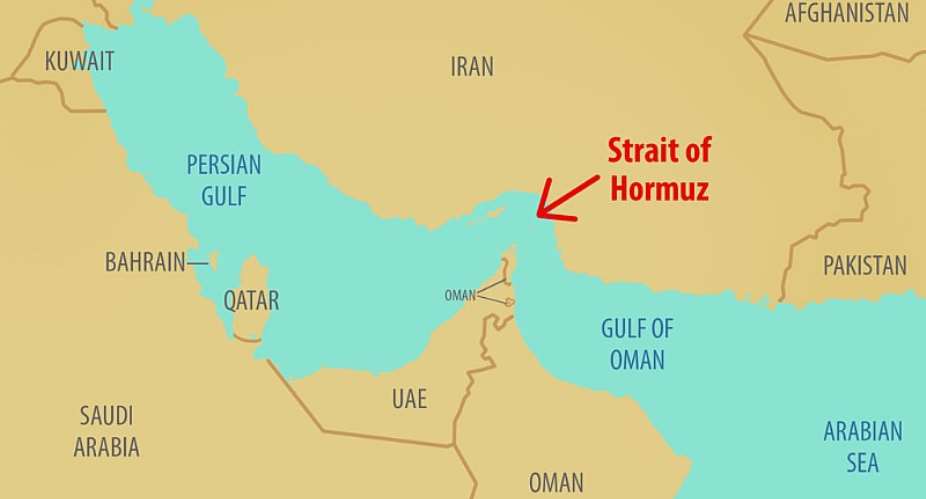
The current geopolitical instability and the closure of the Strait of Hormuz have sent oil and gas prices soaring, driving high energy bills, inflation, and higher food prices for millions around the world. These shocks expose the fragility of fossil-fuel-dependent economies and sharpen the argument for renewable energy.
Solar and wind eliminate fuel costs, reduce exposure to volatile global markets, and improve balance of payments by cutting imports, and that is an important argument to make now as governments are finally beginning to realise that fossil fuel dependence comes with exposure to price shocks and geopolitical risks. Worse still, oil and gas force countries to invest in expensive infrastructure that becomes useless as the clean energy transition takes root.
Europe has learnt this the hard way and is scrambling to wean itself off fossil fuels amid geopolitical chaos. Meanwhile, Africa is peering over the seas to study what happens when societies are caught in the grip of fossil-fuel dependency and vulnerability. Now more than ever, the continent is realising that renewables offer something oil and gas never will; true sovereignty, for the sun cannot be blockaded, and neither can wind be weaponised.
For as long as anyone can remember, Elan village in Garissa County of Kenya wallowed in the misery of darkness whenever the sun set. No piped water, no cold drink at the shopping centre, no flicker of electricity… just a small, forgotten hamlet in the arid Horn of Africa, cut off from opportunity.
Then, two years ago, Power Shift Africa installed a solar mini-grid at the village, and instantly changed the energy fortunes of more than 200 homes. Now, a solar-powered borehole supplies water for domestic use, livestock, and irrigation; the local school is lit; businesses run into the night; and children can finally read their books before bedtime at home.
Elan is a microcosm of a broader shift underway across Africa. From small community mini-grids to large-scale projects like Egypt’s Benban Solar Park, renewable energy is reshaping lives and economies. At the same time, initiatives such as Solar Sisters are electrifying millions of homes across Tanzania, Uganda, and Kenya, saving approximately six million households more than $200 million in energy costs. In Nigeria, the Renewable Energy and Environmental Sustainability for Africa Initiative is expanding access while creating jobs and improving livelihoods, particularly for women and young people.
These African success stories are evidence that the clean energy revolution is possible. They also offer us a few important lessons. First, communities can and must be central to design and delivery, as evidenced in Elan. Second, community ownership is the axis on which success turns. Third, renewable energy restores dignity, which is often ignored in policy debates. And, fourth, the greatest impact of renewable energy is felt where energy poverty is deepest, as a simple solar kit can transform a household that once relied on cocoa husks and kerosene.
At the industrial level, the shift is just as telling. African manufacturers, fed up with unreliable grids and punishing electricity costs, are taking matters into their own hands. Among them is the Devki Group of Kenya, which has already installed a 6MW solar plant at one of its steel mills, with plans to scale across its operations. Across the continent, similar investments are quietly redrawing the energy map. By slashing costs and stabilising supply, renewables are protecting jobs that would otherwise vanish under the weight of high operating expenses.
Then there’s scale. Egypt’s Benban Solar Park, a 1.6-gigawatt giant, is powering one million homes. Having already created over 20,000 jobs during construction, this project is expected to generate 3.8 terawatt hours annually, driving both energy access and industrial growth. If replicated across the continent, projects like Benban can easily electrify the 600 million Africans still living in the dark.
And they could do much more. A 100 per cent renewable system by 2050 could save the continent up to $35 trillion, or about $150 billion annually, with fuel savings alone covering the investment. Reaching climate targets consistent with 1.5°C would require about 3,500 GW of installed capacity, powering industry, transport, buildings and cooking, while creating 2.2 million additional jobs. Power Shift Africa’s African Energy Leadership report shows that this future is not just technically possible, but also economically rational.
If, around the world, both science and economics have proven that renewable energy is not a moral preference or environmental luxury, as some critics have branded it in recent times, why are we still caught in this rut? What would it take for the world’s most powerful and industrialised nations to understand and agree that the most rational choice for sustainable human development is walking down the renewables path?
The lesson from the Strait of Hormuz is not simply that fossil fuel markets are volatile. It is that economies built around imported fossil dependence remain exposed to disruption far beyond their control.
Africa now has an opportunity that Europe did not: to build energy systems around domestic resources before those vulnerabilities become structurally embedded. Renewable energy is no longer only a climate discussion. It is increasingly about economic resilience, industrial competitiveness, and strategic autonomy.
The countries that move fastest to build renewable-based economies will not only cut emissions. They will also be better insulated from geopolitical shocks, fuel price crises, and the growing costs of energy insecurity. Because unlike oil and gas, the sun cannot be blockaded, and neither can wind be weaponised.
By Rana Adib, Executive Director, REN21, and Mohamed Adow, Director, Power Shift Africa
 Police arrest two over 192 parcels of suspected cocaine in Wa
 Challenging Heights reveals how Ghanaian girls are recruited into sex trade thro...
 GHS records more than 53,000 adolescent pregnancies in 7 months
 No school being demolished to construct 24-hr economy market at Mankranso - Ash...
 Education Ministry to review 'problematic' CSSPS after Catholic Bishops’ concern...
 Family of Salormey Baffoe appeals for her release from alleged National Security...
 64.7% of Ghanaians say Double-Track system has reduced SHS quality – IEA
 I felt very ashamed Accra lost major international conferences to Dakar over ina...
 'He is ignorant' – Mahama hits back at Paul Yandoh over soldiers constructing ro...
 OpenAI, Anthropic and Google in talks to create a standards body as AI fears ris...


