




President John Dramani Mahama officially launched Ghana's Free Primary Health Care (FPHC) initiative on April 15, 2026, with a phased rollout, prioritizing 150 underserved districts out of 261. This initiative focuses on utilizing Community-Based Health Planning and Services (CHPS) compounds as the primary delivery point of contact for free, essential services. It aims to shift the focus from curative "sick care" to preventive, "wellness-based" care, especially in underserved rural areas.
Let's face the facts: no nation has ever built a strong health system by starting at the top. Hospitals matter, but primary health care is the backbone. In Ghana, that means the CHPS compounds in our villages, the health centres in every district, the community health nurses and the pharmacists who know our mothers by name. Neglect it, and the whole system buckles under pressure.
The World Health Organization is blunt: up to 90% of essential health services can be delivered at the primary level. That includes vaccines, antenatal care, hypertension checks, child wellness, malaria testing, and treatment of common illnesses. When primary care works, we prevent disease rather than chase it. Cure is costly. Prevention is priceless.
Ghana’s reality demands it.
Our disease burden makes primary care non-negotiable. Malaria remains the leading cause of OPD attendance, with over 5.3 million suspected cases in 2024, according to the National Malaria Elimination Programme. Hypertension and diabetes are rising rapidly. The Ghana Health Service reports that non-communicable diseases now account for 43% of all deaths. These conditions are best caught early at the community level, not when a patient arrives at Korle Bu with a stroke.
Primary health care is also our most powerful tool for equity. Specialists and MRI machines are clustered in Accra, Kumasi, and Cape Coast. But maternal deaths are not. The 2022 Ghana Maternal Health Survey showed our maternal mortality ratio at 263 per 100,000 live births, with rural women twice as likely to die as urban women. For millions in our districts, the CHPS compound is the only clinic they will ever see. If we do not defend it, we accept a two-tier system: modern medicine for the few, and hope or prayers for the rest.
The cost of a weak foundation.
Look at our hospitals today. They are overwhelmed with conditions that should never reach them. Uncontrolled hypertension leads to stroke at 37 Military Hospital. Unmanaged diabetes becomes kidney failure at KBTH, where dialysis costs over 800 cedis per session. A fever that needed a rapid diagnostic test at a health centre or community pharmacy becomes a crowded OPD at Ridge. The National Health Insurance Authority spends millions annually on complications that could have been prevented by strong primary care. In 2023, NHIS claims for tertiary facilities exceeded 1.2 billion cedis. Every cedi spent on late-stage care is a cedi we did not allocate to prevention.
Primary care is also our first defence against outbreaks. During COVID-19, districts with functional CHPS and strong community surveillance identified cases and vaccinated faster. Cholera, meningitis, and yellow fever do not start at teaching hospitals. They begin at the household level. No surveillance camera detects them faster than a community health nurse or a community pharmacist who notices three cases of diarrhea in one community.
Ghana has the blueprint.
We are not starting from scratch. The CHPS strategy, launched in 1999, was visionary. Ghana pioneered it. Today, we have over 6,500 CHPS zones. But a 2023 GHS review found that nearly 30% lack essential equipment, 40% lack reliable transport for outreach, and staff attrition remains high. We built the structures but have not fully equipped them.
If we are serious, the choices are clear:
1. Fund it first: Before we lay the foundation for new teaching hospitals, allocate 60% of all new health infrastructure funds to CHPS, health centres, and district hospitals.
2. Staff it well: Housing, rural allowances paid on time, and clear career paths will retain nurses, midwives, pharmacists, and physician assistants in Bunkpurugu and Afadzato South, not just Accra.
3. Equip it properly: No primary facility should operate without a functional blood pressure monitor, glucometer, hemoglobin meter, essential drugs, and a motorbike for outreach.
4. Streamline funding: Ensure smooth processes at the primary level so facilities can restock and operate efficiently.
As Dr. Halfdan Mahler said, "Primary health care is the key to attaining health for all." That was true in 1978 at Alma-Ata, and it remains urgent for Ghana in 2026 as we pursue universal health coverage under NHIS and Sustainable Development Goal 3 (SDG 3). If we want lower costs, healthier citizens, and greater trust in government, we must start at the beginning.
Primary health care is not cheap care for the people with low incomes; it is smart care for a smart nation. The NHIS, our hospitals, and our people are all waiting on it. Defend it, and it will defend us.
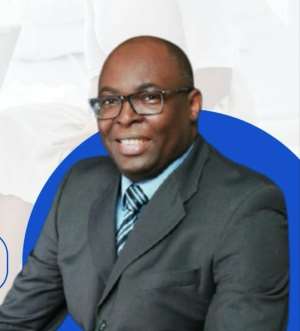
Prof. Victor Wutor
[email protected]


 ‘I never said I’ll declare a state of emergency to end galamsey’ – Mahama
 Education minister to meet teacher unions on Monday over strike
 Multiple fibre cuts disrupt voice, data services across the North – NCA
 134 former NPP MMDCEs of Akufo-Addo administration demand terminal benefits
 V/R: One dead, two injured as grader knocks down pedestrians at Dzodze
 At least 16 people killed as Russia and Ukraine trade deadly air strikes
 Gov’t directs release of 50,000 bags of grain to settle Ghana's obligation to EC...
 'Stay away from Volta Region' — Togbe Afede warns Illegal miners
 ‘Common sense wasn’t working’ – Kumadoe takes on EOCO, MP standoff
 ‘Those saying they are beginning to regret coming home If that is the thank you ...



Comments
Excellent piece.