




The national conversation on LGBTQ issues in Ghana continues to generate strong opinions, largely shaped by the country’s deeply rooted cultural, traditional, and religious values. In a society where customs and moral frameworks remain central to identity, many Ghanaians maintain that there is little to no room for the acceptance of such practices. Within this context, it is important to state clearly that the government has not backtracked on the issue. Rather, it remains aligned with societal values while allowing due constitutional processes to take their course.
Ghanaian society is widely regarded as conservative on matters relating to family and social norms. Across the country, traditional leaders and religious bodies have consistently expressed opposition to LGBTQ practices, reinforcing a national sentiment that continues to influence policymaking. The government, as a representative of the people, is fully aware of this reality and cannot ignore it.
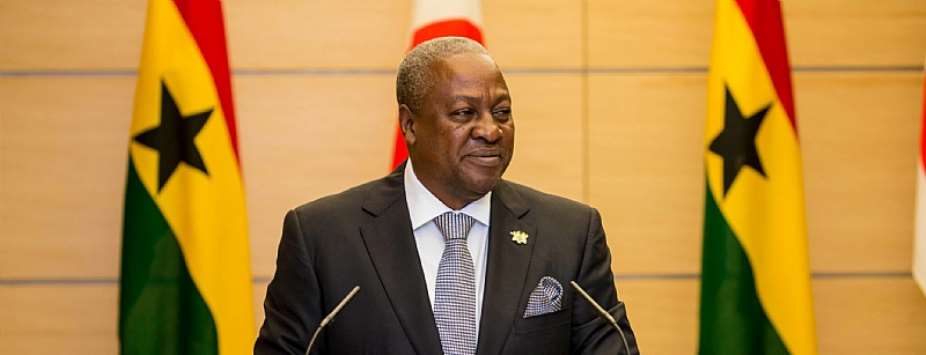
The current administration, led by John Dramani Mahama, understands the cultural landscape and has maintained a consistent position. While emphasizing the need for proper legislative procedure, the President has not deviated from the underlying principles that reflect the values of the Ghanaian people. There is therefore no indication of a policy reversal—only a commitment to due process.
At the centre of the debate is the Human Sexual Rights and Family Values Bill. The bill was previously passed by Parliament but did not receive presidential assent during the tenure of Nana Addo Dankwa Akufo-Addo. As a result, it did not become law and subsequently lapsed. Its reintroduction into Parliament demonstrates clearly that the matter is still active and has not been abandoned.
However, beyond the legislative process lies an important issue of political consistency. The New Patriotic Party (NPP), which now appears vocal in advocating for swift assent of the bill, must be assessed against its own record in government. During its tenure, the same bill was passed under its watch, yet it failed to secure presidential assent. This has raised legitimate concerns about inconsistency.
Critics argue that the NPP, having had the opportunity to see the bill through but failing to do so, cannot now position itself as the leading voice demanding urgency. There are strong views that elements within the party did little to push for assent at the critical moment, and in some instances, appeared to allow delays that ultimately led to the bill lapsing. This has led to accusations of hypocrisy, as the party now seeks to lecture others on commitment to the same cause.
In contrast, the current administration appears focused on ensuring that the process is completed properly. There is a strong expectation among sections of the public that once Parliament passes the bill again, President Mahama will assent to it. While that expectation reflects confidence in his alignment with societal values, it is important to recognize that assent remains part of a constitutional process that must be respected.
This distinction is critical. What some describe as delay is not backtracking, but rather adherence to democratic governance. Laws in Ghana are not enacted through pressure or political rhetoric, but through structured processes that ensure legitimacy and sustainability.
Ultimately, the debate over LGBTQ issues in Ghana goes beyond politics. It is deeply rooted in culture, identity, and national values. However, political actors must be held accountable for their consistency. A party that failed to act decisively when given the mandate cannot easily claim the moral high ground later.
In perspective, the assertion that the government has backtracked on LGBTQ issues is unfounded. The reintroduction of the bill, the consistent posture of the current administration, and the ongoing legislative process all point to a government that remains committed. At the same time, the shifting stance of the NPP raises important questions about credibility and sincerity. What is unfolding is not retreat, but governance in action—guided by law, shaped by culture, and measured by accountability.

 Mahama Begins Four‑Day State Visit to Belarus to Deepen Ghana–Belarus Cooperatio...
 Adubinsu Tanker Explosion: Fire Service Slams Residents for Attacking Firefighte...
 80 Suspects Grabbed as Police Storm Upper East in Massive Anti‑Crime Sweep
 Abuakwa South MP Pushes for National Disaster Fund to Support Flood Victims
 “Don’t Be Fooled!” — Foh-Amoaning Tells African MPs LGBTQ+ Rights Not Backed by ...
 BoG Mops Up GHS 11.28bn in Fresh Liquidity Sweep as 14‑Day Bill Auction Records ...
 Foreign Digital Content Eroding African Values — Sam George Warns Parents
 Anthropic calls for global AI slowdown, says systems may outpace human control
 Bono Region: Police investigate murder of retired veterinary officer
 VIDEO: Fuel tanker driver burnt to death in fiery crash at Adubinso, seven shops...


