




Ghana’s historic resolution at the United Nations General Assembly, which recognized the transatlantic slave trade and slavery as the “gravest crime against humanity,” has been hailed as a turning point in global justice debates.
The resolution which was tabled on Wednesday, March 25, passed with 123 votes in favor, 3 against, and 52 abstentions, largely from European nations.
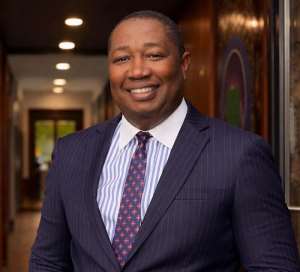
Renowned legal practitioner and National Democratic Congress (NDC) stalwart, Elikplim Agbemava Lorlormava, has underscored the far-reaching impact of the resolution.
In a Facebook post sighted by this portal, he noted that the adoption will open new avenues for academic inquiry and international cooperation.
"The adoption of Ghana’s resolution on reparations for the African Slave Trade and Slavery by the UN General Assembly will undoubtedly lead to an increase in scholarly research on the subject," Agbemava wrote.
He further explained that the resolution is likely to attract increased UN funding, which could culminate in a multilateral convention aimed at securing reparation payments.
Agbemava cautioned, however, that the process will face resistance from nations historically linked to slavery, as evidenced in the abstentions seen during the voting.
"The challenge lies in the fact that many nations that previously utilized slaves voted against or abstained from the vote," he observed.
Despite these obstacles, the legal practitioner emphasized the broader significance of the resolution, describing it as a milestone in both diplomacy and academia.
"Nevertheless, the political, diplomatic, and academic significance of this Resolution should not be underestimated," he added.
Global Reactions
The vote revealed sharp divisions among UN member states. Countries such as Russia, China, Iran, and India supported the resolution, while the United States, Argentina, and Israel which continues to receive reparations from Germany for the Holocaust, opposed it. Most European nations, alongside allies like Canada, Australia, and Japan, abstained, a move critics interpret as tacit opposition.
Ghana’s Leadership
For Ghana, the resolution represents a major diplomatic achievement and a reaffirmation of its leadership in advocating for historical justice. Analysts believe it will not only stimulate scholarly research but also strengthen calls for reparations and accountability on a global scale.
As Agbemava’s reflections highlight, the resolution is more than symbolic. It is a step toward addressing centuries-old injustices and reshaping international discourse on humanity’s collective responsibility.

 Adu-Boahene’s lawyers ask court to strike out fabricated, invented evidence in D...
 'He is part of National Film Authority' – Kwasi Kwarteng exposes Obuasi SHTS hea...
 'Mahama should have appointed Edudzi Tameklo to EC to teach hypocrite NPP some s...
 'You have no moral right to complain about cost of living' – Prof Anankware to B...
 'You did the same thing' – Solomon Owusu defends EC appointment
 GFL vows to pursue justice for worker who lost five fingers at Afienya Industria...
 State to call first witness on January 12 in Canadian murder case
 Haruna Iddrisu refers Obuasi SHS headmaster's sexual misconduct allegations to C...
 Bawumia is a ‘prophet of pocket economy’ in opposition, ‘priest of paper economy...
 Bolgatanga Technical University Council Chairman allegedly locks up Vice-Chancel...


