




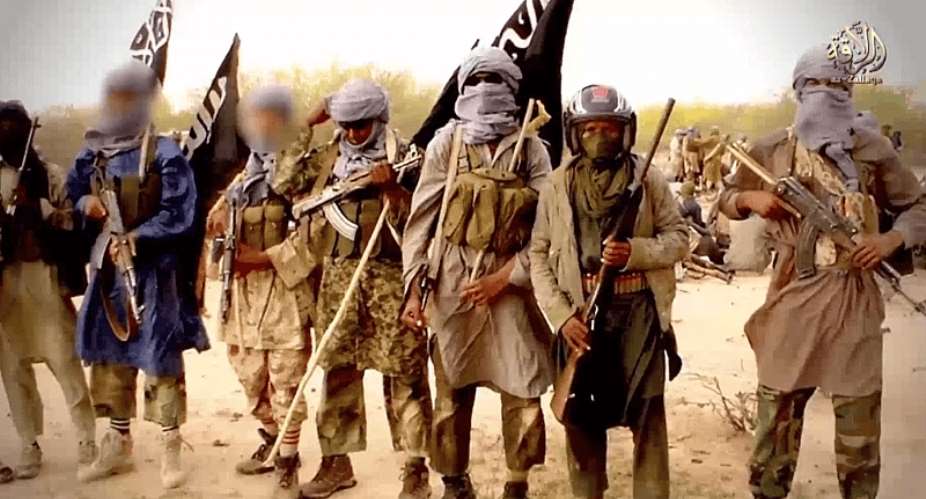
Mali’s military government has released more than 100 suspected jihadists as part of a controversial deal aimed at restoring fuel supplies to the capital, Bamako, after months of crippling shortages.
According to recent reports, the agreement was struck with militants linked to the al-Qaeda–affiliated group Jama’at Nusrat al-Islam wal-Muslimin (JNIM). In exchange for the prisoners’ release, the armed group agreed to allow the safe passage of fuel convoys through key transport routes into the country.
Background: fuel blockade and economic pressure
since late 2025, jihadist groups have waged what analysts describe as “economic warfare” against Mali by targeting fuel supply lines. Tanker trucks were ambushed, burned, or blocked from entering the country, drastically reducing fuel deliveries.
This blockade caused:
Severe fuel shortages in Bamako
Electricity outages (due to reliance on diesel generators)
Rising transport costs and disrupted businesses
At one point, imports dropped from about 6,000 tankers per month to roughly 2,000.
The strategy is widely seen as an attempt by jihadists to weaken the state and force political concessions.
The “fuel corridor” deal
Under the new arrangement:
Over 100 detainees, including suspected fighters, were released
Militants agreed to open a corridor for fuel trucks
The truce is expected to last until the Muslim festival of Eid al-Adha (Tabaski)
Local officials confirmed that the deal directly links prisoner releases to the reopening of transport routes.
Security and political implications
The move highlights the growing power of jihadist groups in Mali, where the state has struggled to maintain control since conflict began in 2012.
Experts warn the deal could have serious consequences:
Short-term relief: Fuel supply may stabilize temporarily
Long-term risk: Armed groups may be encouraged to demand more concessions
State weakness: Negotiating under pressure could undermine government authority
Previous incidents show that jihadists have increasingly used blockades, taxation, and attacks on infrastructure to exert control over territory and populations.
Wider Sahel context
Mali’s crisis is part of a broader instability across the Sahel region, where jihadist groups linked to al-Qaeda and ISIS have expanded operations, often exploiting weak governance and local grievances.
Council on Foreign Relations
Conclusion
Mali’s decision to free jihadist prisoners in exchange for a fuel corridor reflects the difficult balance between immediate economic survival and long-term security risks. While the deal may ease shortages in the short term, it raises concerns about empowering militant groups and setting a precedent for future negotiations under duress.
Mustapha Bature Sallama.
Medical/ Science Communicator,
Private Investigator, Criminal investigation and Intelligence Analysis.
International Conflict Management and Peace Building.USIP
[email protected]
+233-555-275-880


 Justin Kodua Launches Bid to Retain NPP General Secretary Post Ahead of Crucial ...
 Zanetor Demands Continental Action: ‘Africa Cannot Progress While Women Live in ...
 Mahama assures transfer of UGMC to University of Ghana
 Wontumi told me he would get 20year jail term before judgment was read – Lawyer ...
 Sarkodie Warns Gov’t: ‘Explain the 24-Hour Economy or Risk Voter Backlash’
 ‘Ofori-Atta Must Account’: COPEC Boss Warns NPP of 2028 Backlash Over Lingering ...
 UG Economist Slams Gov’t: “24-Hour Economy Implementation Far From Reality”
 Ghana Flags 1.8m Housing Gap at UN Forum, Says Urban Pressures Demand Urgent Act...
 NDC Draws Red Line: Gov’t Appointees Who Don’t Resign Barred from Executive Elec...
 Kpebu Warns: “Judicial Independence Won’t Come From Law Alone — It Needs Judges ...

