




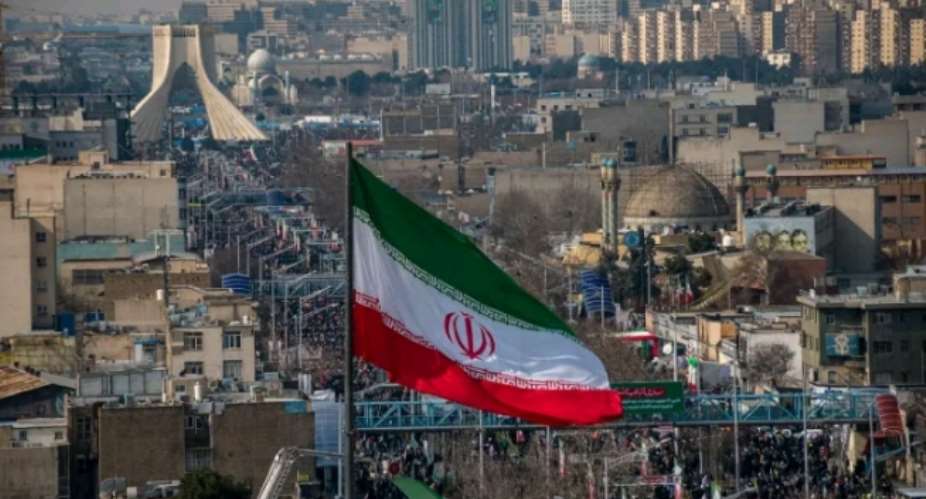
On 28 February 2026, Israeli and U.S. officials announced that Ali Khamenei, Iran’s Supreme Leader since 1989, was killed in a major joint military strike on Tehran, part of a sweeping offensive targeting Iran’s leadership and strategic infrastructure. The claim was made publicly by Israeli and U.S. sources, though Tehran had not independently confirmed his death at the time of reporting and called him alive.
Khamenei was one of the world’s longest-serving authoritarian leaders, unchallenged in Iran’s religious and political hierarchy for more than three decades. Under his rule, the Islamic Republic’s domestic politics and foreign posture were tightly controlled by clerical authority, hardline security institutions, and the Islamic Revolutionary Guard Corps (IRGC).
What the Reported Death Means for Iranians
Political Leadership Vacuum and Succession
Iran’s constitution anticipates a Supreme Leader’s death but not easily. If Khamenei is confirmed dead, the Assembly of Experts a clerical body must convene to select his successor. This process could take weeks to months, and the outcome is uncertain.
Before these events, U.S. intelligence assessments suggested that if Khamenei were killed, hardline IRGC-aligned figures were the most likely to fill the vacuum, which could bring even harsher policies.
Possible leadership scenarios include:
A new Supreme Leader close to the IRGC and existing clerical establishment preserving the theocratic state.
A compromise clerical figure accepted by rival hardline factions within the elite.
A more fragmented leadership council if no clear successor unifies the Assembly of Experts.
None of these scenarios guarantees a shift toward democratic reform or greater freedoms for ordinary Iranians.
Impact on Public Sentiment and Social Movements
Inside Iran, many long-standing dissidents and protest movements have opposed Khamenei’s rule for years, especially those galvanized by the “Woman, Life, and Freedom” uprisings in 2022–2025. Some activists saw Khamenei’s removal as a symbolic end to theocratic oppression.
The reported death could:
Bolster anti-regime sentiment, with hope among protesters that the old power structures could unravel.
Trigger intensified crackdowns by security forces fearful of domestic instability.
Worsen Iranian citizens’ hardship if economic dislocation and international pressure deepen during a leadership transition.
However, organized mass change is not guaranteed. Iran’s security institutions particularly the IRGC remain intact and have historically suppressed dissent effectively.
Everyday Life and Economic Realities
Iranians already live with:
Chronic inflation and unemployment due mainly to sanctions and economic mismanagement.
Limited freedoms of press, assembly, and speech.
Even a leadership change of any kind will not immediately improve economic conditions and may worsen them if political instability increases. Uncertainty over oil exports, foreign investment, and international sanctions could further squeeze ordinary Iranians’ living standards.
Regional Conflict and Its Civilian Toll
The military offensive that reportedly killed Khamenei also involved widespread strikes across Iran’s infrastructure. Iranian retaliation against Israel and U.S. bases has continued, risking broader conflict.
For ordinary Iranians, this means:
The possibility of escalating military clashes across the Middle East.
Greater economic hardship via disrupted trade and rising costs.
Heightened civilian casualties if conflict spreads into populated areas.
What Next for Iranians?
Short Term
Deep uncertainty about leadership and daily security.
Increased nationalistic rhetoric from hardliners trying to maintain order and deflect dissent.
Potential for unrest if state authority weakens.
Medium Term
A new Supreme Leader and ruling elite could emerge, likely from conservative clerics or IRGC alliances.
Reformist or popular figures have little institutional power in current political structures meaning large-scale political liberalization is unlikely without sustained internal change.
Long Term
Transformation of governance is possible, but only through either:
A negotiated political shift from within the clerical establishment;
Or sustained popular movement demanding systemic change.
At this stage, whether Khamenei’s removal symbolizes a new chapter for Iranians’ aspirations for freedom or a deepening of hardline control remains an open question. The coming weeks and months will be pivotal in shaping Iran’s future.
Why This Matters Beyond Iran
Iran’s position in global politics especially in the Middle East means its internal transition affects:
Regional security (Iraq, Lebanon, Syria, Yemen and the Gulf states).
Global oil markets.
U.S. and Israeli strategic planning.
International diplomacy with nuclear implications.
A leadership shift in Tehran reverberates far beyond Iran’s borders.
Mustapha Bature Sallama.
Medical/ Science Communicator,
Private Investigator, Criminal investigation and Intelligence Analysis.
International Conflict Management and Peace Building.USIP
[email protected]
+233-555-275-880


 Miracles Aboagye arrest: 'You looted and your reaction is that the tables will t...
 Police arrest two with 73 parcels of suspected cannabis, reject GH¢300,000 bribe
 NACOC traces 73 assets linked to suspected drug traffickers
 Government seeks financial clearance to recruit 400 scientists – Armah Kofi-Buah
 Ya‑Naa Abubakari II laid to rest at Gbewaa Palace
 NPP will reinstate workers unlawfully sacked by NDC government - Chairman COKA
 'Neglecting grassroots dangerous' – GFL warns NDC, NPP
 'No money, no vote' — Bongo NPP delegates tell contestants in constituency execu...
 NAM1 files witness statements in Menzgold trial, seeks to rely on seven defence ...
 Miracles Aboagye’s wife raises health concerns over husband's detention by EOCO

