




The Insurgency in the Sahel
Burkina Faso has been one of the central battlegrounds in the Sahel’s expanding jihadist conflict for more than a decade. The al-Qaeda-affiliated coalition Jama’at Nusrat al-Islam wal Muslimin (JNIM) is one of the main armed groups operating there, alongside Islamic State-linked groups. The violence has caused widespread displacement, tens of thousands of deaths, and a deteriorating humanitarian situation across the country and neighboring states.
What Are Landmines and IEDs in This Context?
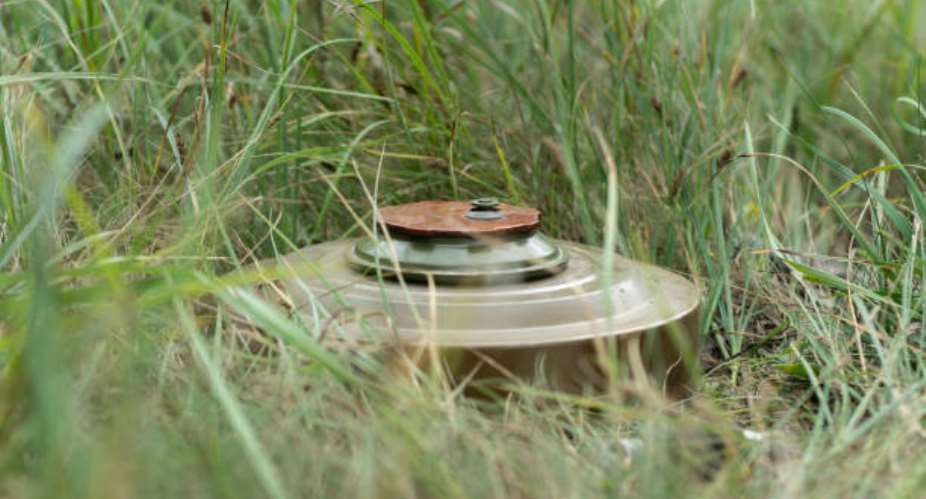
In Burkina Faso, landmines and IEDs are explosive devices either pressure-activated (like conventional antipersonnel mines) or command-detonated that are placed on roads, trails, and other key locations to target soldiers, vehicles, and civilians. These devices are often improvised by militant groups using available materials, and are a common tool in asymmetrical warfare, especially where insurgents lack heavy weapons.
JNIM’s Deployment of Mines and Devices
According to recent reports by international monitoring groups:
JNIM militants have laid explosives and landmines across different parts of Burkina Faso, including in the east, central, and northern regions. These devices are often left along major routes or in rural areas to disrupt movement, weaken government control, and create fear among civilians and military units.
Explosive devices attributed to JNIM have killed and injured civilians multiple times, including children, farmers and people riding bicycles or motorcycles near towns like Gayeri, Tikare, Tougouri, and several others.
A 2025 Landmine Monitor Report confirms that JNIM has placed improvised mines in Burkina Faso as part of its tactical operations making them a significant contributor to the country’s explosive hazard contamination.
Impact on Civilians and Military
The use of mines and IEDs by JNIM has severe consequences:
Civilian casualties: Ordinary citizens including children have been killed or maimed after hitting landmines or IEDs while travelling, farming, or running routine errands in rural areas.
Humanitarian disruption: These explosive hazards block roads, isolate communities, and complicate the delivery of aid. People cannot safely move between villages, markets, or health centers.
Military strain: For Burkina Faso’s armed forces and allied militias, roads fitted with improvised mines make logistics and troop movements extremely dangerous, slowing down operations and forcing circumvention of key routes.
How This Fits Into JNIM’s Strategy
JNIM’s use of explosive devices and landmines is not random. It is part of a broader insurgent strategy to:
Control territory by denying access to government and humanitarian forces;
Apply psychological pressure on civilians to reduce trust in state protection;
Hinder counter-insurgency actions by setting traps that slow and injure security forces.
This pattern of remote explosive use mirrors asymmetric tactics seen in other parts of the Sahel, where militants leverage improvised devices to compensate for their lack of conventional firepower.
Challenges in Clearance and Response
Efforts to survey and remove landmines in Burkina Faso are severely constrained by ongoing insecurity. The government and international partners are often unable to conduct thorough technical surveys in active conflict zones, making it difficult to map contaminated areas or plan clearance operations effectively.
Conclusion
JNIM’s employment of landmines and IEDs within Burkina Faso’s insurgency has transformed the landscape into one marked by hidden explosive dangers. These tactics intensify civilian suffering, complicate military operations, and deepen the humanitarian crisis in a country already grappling with years of conflict. Continued international monitoring, support for clearance operations, and sustained pressure on armed groups are crucial to reducing the deadly impact of these devices.
Mustapha Bature Sallama.
Medical/ Science Communicator,
Private Investigator, Criminal investigation and Intelligence Analysis.
International Conflict Management and Peace Building.USIP
[email protected]
+233-555-275-880


 NDC gov't keeps deflecting when Ghanaians are suffering — Miracles Aboagye
 UAE introduces police clearance requirement for Ghanaians seeking employment vis...
 'Establish independent regulator to handle examination result appeals' — Eduwatc...
 Ukrainian drone strikes on Russia kill at least six, spark fire at Wildberries w...
 25 US states sue Trump administration over sweeping new tariffs
 Trump says US-Iran talks continue, warns Tehran faces 'last chance'
 Mahama holds bilateral talks with Jamaican leaders
 NPP secures Police approval for August 6 protest over Sedina Tamakloe acquittal
 Court orders married man to pay GH¢40,000 for breaking promise to marry side chi...
 'NPP is finished, let me lead you' – Mosquito mocks opposition party

