




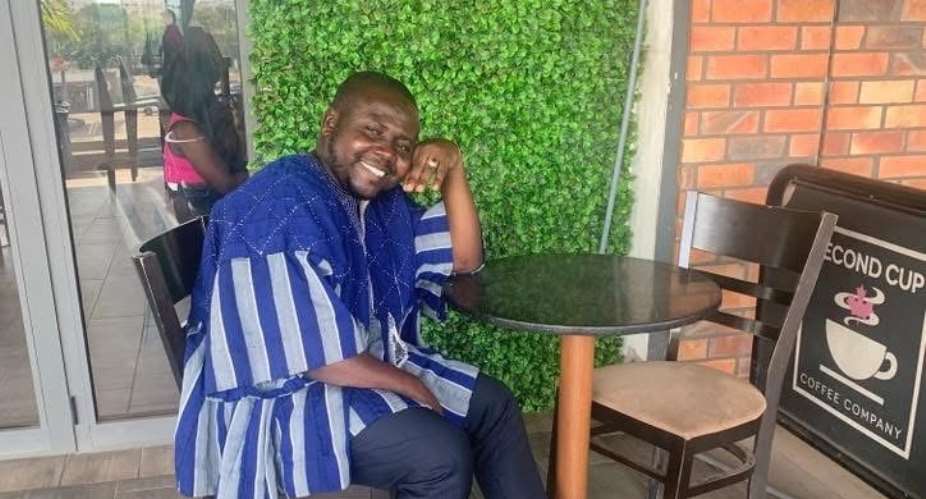
Trying to cater to two different audiences at the same time is trickier than it might seem at first glance. Crafting content for both my local and international followers feels like a constant juggling act.
On one side, I have folks in Ghana and across Africa who instantly grasp the context, the cultural nuances, the political backdrop, and even the subtleties in tone. On the flip side, there are my followers from various corners of the globe who don’t share that same foundation. What seems obvious to one group can come off as puzzling or even bewildering to another.
When I share posts about Ghana, be it politics, social matters, or cultural topics, my Ghanaian and African audience usually gets it right away. They’re familiar with the names, the history, and the dynamics that shape the news. But for my international followers, especially those who aren’t from Ghana or Africa, the experience can be quite different. They might not have the historical context, the key players, or the deeper insights that inform the issue. So, a post that feels clear and straightforward locally can come across as vague or lacking to someone observing from a distance.
As a result, my inbox sometimes gets flooded with messages from people trying to understand what they just read. They ask for clarification, context, or background information. Some want to know who a particular person is. Others want to understand why an issue matters so much. And while I genuinely appreciate their curiosity and engagement, it highlights the challenge I face every time I press “post.”
It’s not just about writing; it’s about translating realities. It’s about bridging cultural gaps without oversimplifying serious issues. It’s about staying authentic to my local audience while remaining accessible to those who are learning about Ghana and Africa through my platforms. That takes effort, thought, and sometimes emotional energy.
Yet, in the middle of that challenge, there’s something powerful happening. The confusion often turns into conversation. The questions become opportunities to educate, to explain, to share history and perspective. What begins as “I don’t understand this” can turn into meaningful dialogue across borders.
Absolutely, it can be a challenge to create content that resonates with both local and international audiences. But honestly, it’s also incredibly fulfilling. It’s a reminder that the rich stories of Ghana and Africa are making their way across the globe. If that means I have to respond to a few extra messages, provide more context, and put in a bit more effort to foster understanding, then I think that’s a challenge worth taking on.

 UCC-UTAG demands clearer boundaries for GTEC’s regulatory role to avoid interfer...
 Mahama congratulates Lula da Silva on ‘well-deserved’ re-election as Brazil Pres...
 Mahama arrives in Moscow to push for Russia-Ukraine ceasefire at Russia–Africa S...
 'Irresponsible media coverage is hurting Obuasi SHTS abuse probe' – Gender Minis...
 ECG announces 7-hour power outages in parts of Ashanti Region on Tuesday
 World Cup visa scandal deepens discontent among NDC grassroots – Prof Smart Sarp...
 'It is frivolous' – State declines to respond to motion challenging its oppositi...
 'We still have feelings' — Wontumi proposes conjugal visit facilities for marrie...
 'Young men must work and eat' – Prophet Badu Kobi backs Sammy Gyamfi on galamsey
 Foreign Affairs Ministry seeks names of evacuees allegedly shortchanged in GH¢5,...


