




The question of reparations for slavery remains one of the most significant and emotionally charged public policy debates in modern society. Rooted in centuries of forced labor, racial oppression, and systemic discrimination, the issue asks whether governments and institutions that benefited from slavery should provide compensation to the descendants of enslaved people.
Historical Background
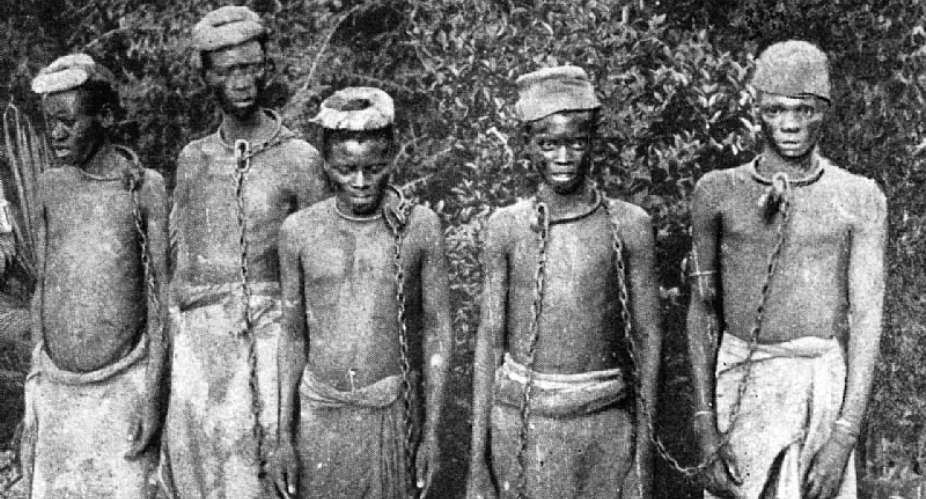
The transatlantic slave trade forcibly transported more than 12 million Africans to the Americas between the 16th and 19th centuries. In the United States, slavery became deeply embedded in the economy, particularly in the South, where enslaved labor drove the production of cotton, tobacco, and sugar.
Although slavery was abolished in 1865 following the American Civil War and the ratification of the 13th Amendment, formerly enslaved people received no financial compensation. In fact, during Reconstruction, promises such as “40 acres and a mule” were largely revoked. Meanwhile, formerly enslaved individuals faced new systems of oppression, including Black Codes, sharecropping, and later Jim Crow segregation.
What Are Reparations?
Reparations refer to compensation or amends made to individuals or groups for past harms. In the context of slavery, proposals range widely and may include:
Direct financial payments to descendants of enslaved people
Educational scholarships and tuition assistance
Housing grants or business development programs
Community investments in predominantly Black neighborhoods
Formal apologies and institutional acknowledgments
Reparations are not limited to monetary payments; they can also include policy reforms designed to close racial wealth and opportunity gaps that stem from slavery and subsequent discrimination.
Arguments in Favor
Supporters argue that slavery created long-term economic disadvantages that continue to affect Black communities today. Wealth disparities, unequal access to education, housing discrimination (such as redlining), and mass incarceration are often cited as consequences of historical injustice.
They also point to international precedents. For example, Germany provided reparations to Holocaust survivors after World War II. Advocates argue that if reparations were appropriate in other historical contexts, they should also be considered for slavery.
Additionally, supporters contend that reparations represent moral accountability. They argue that governments sanctioned and protected slavery, meaning the responsibility extends beyond individual slaveholders to the state itself.
Arguments Against
Opponents raise several concerns. Some argue that slavery ended more than 150 years ago, and that modern taxpayers should not be held financially responsible for actions committed by previous generations. Others question how eligibility would be determined and whether compensation could fairly address such widespread and long-lasting harm.
There are also economic concerns about the potential cost of large-scale reparations programs and how they would be funded.
Recent Developments
The conversation around reparations has gained renewed attention in recent years. In the United States, legislation such as H.R. 40 named after the unfulfilled Reconstruction promise has been repeatedly introduced in Congress to study and develop reparation proposals.
At the local level, some municipalities have begun implementing targeted programs. For example, Evanston launched a housing-focused reparations initiative funded through cannabis tax revenue, marking one of the first city-led programs of its kind.
Globally, Caribbean nations have also advocated for reparatory justice from former colonial powers through organizations such as the CARICOM.
The Broader Impact
Beyond policy, the reparations debate forces societies to confront historical truth. It raises deeper questions about collective responsibility, inherited inequality, and the role of government in correcting systemic injustice.
Whether through direct payments, institutional reform, or symbolic recognition, the discussion reflects an ongoing effort to reconcile with the legacy of slavery. While consensus remains elusive, the issue continues to shape political, legal, and moral conversations around race, equality, and justice in the 21st century.
Mustapha Bature Sallama.
Medical/ Science Communicator,
Private Investigator, Criminal investigation and Intelligence Analysis.
International Conflict Management and Peace Building.USIP
[email protected]
+233-555-275-880


 'Do I look like somebody who can be bullied as Majority Leader?’ – James Agalga
 Contractor hands over Weija Children’s Specialist Hospital to govt
 Car dealer shot dead outside residence at Beach Drive Estate near Tuba
 Former TOR boss Asante Berko convicted in US over Ghana power plant bribery sche...
 NDC slams Afenyo-Markin's 'nobody' remark against Nana Yaa Jantuah
 Heavy security deployed to Laboma Beach ahead of demolition exercise
 James Agalga named majority leader following Mahama Ayariga's ministerial appoin...
 Omane was a true friend, a younger brother and a loyalist — Mahama eulogises lat...
 'My focus is on delivering the mandate' — Prof. Opoku-Agyemang responds to rumou...
 US appeals court halts construction of Trump’s $400 million White House ballroom...

