




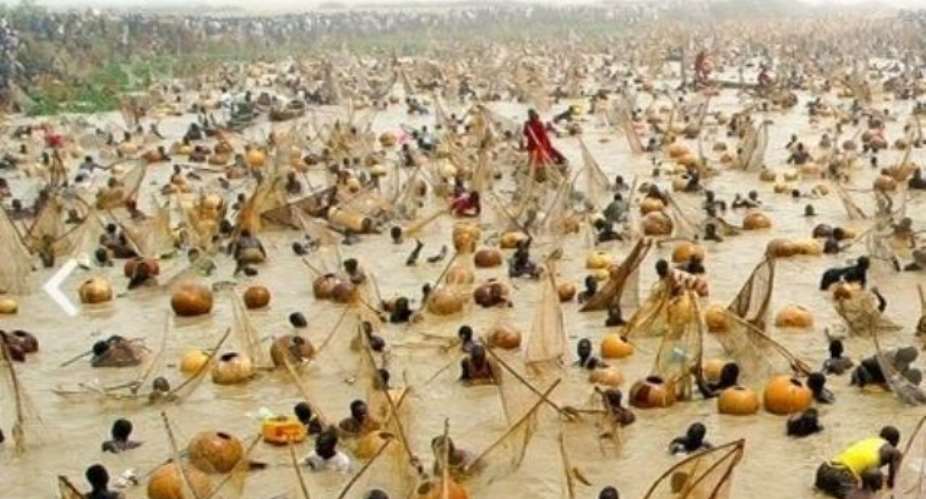
In the north-western region of Nigeria, one cultural event stands above all others for its history, spectacle, and symbolic value the Argungu International Fishing and Cultural Festival. Born from a tradition of peace and unity and now recognized as Intangible Cultural Heritage of Humanity by UNESCO, the Argungu Festival is more than a celebration; it is a testament to community spirit, cultural identity, and national pride.
Yet, the history of this iconic festival is deeply intertwined with the wider challenges of insecurity that have affected north-west Nigeria over the past two decades illustrating how cultural life and security realities shape one another.
A Festival Rooted in Peace and Heritage
The Argungu Fishing Festival dates back to 1934, when it was first held as a symbol of peace between the Argungu Kingdom and the neighboring Sokoto Caliphate. It grew from a local tradition into an event of national and international significance, attracting tens of thousands of visitors from across Nigeria and beyond.
Over four days, participants and spectators enjoy a rich program of traditional activities:
A grand fishing competition, where fishermen dive into the Matan Fada River at the sound of a ceremonial gunshot to catch the biggest fish using traditional tools.
Canoe racing, wrestling, archery, hunting, musical performances, and cultural displays that uphold the heritage of the community.
Agricultural showcases and handicrafts, creating a vibrant marketplace that boosts local businesses and provides jobs.
The festival is not just a contest of skill it’s a living cultural legacy, drawing people of different ages, ethnicities, and backgrounds together in celebration and mutual respect.
Insecurity and the Long Hiatus
Despite its importance, the festival was suspended for over a decade from around 2009 to 2020 largely due to rising insecurity in north-west Nigeria. Threats from armed groups, kidnappers, and bandits made it unsafe to host large gatherings of people and discouraged tourists and participants from attending.
This prolonged absence had devastating consequences for the local economy. Hotels, vendors, transport operators, artisans, and fishermen who depended on the annual influx of visitors saw their incomes dry up. Tour operators lamented the loss of revenue normally generated by travelers during festival season.
In response to these security challenges, the Argungu Festival became a symbol of cultural loss across the entire region: without safety and peace, one of Nigeria’s most beloved traditional gatherings could not go on.
Revival Amid Signs of Stability
When the Argungu Festival finally returned in 2020, it was widely seen as a milestone in restoring security and confidence in the region. Leaders at federal and state levels highlighted the event’s return as evidence that conditions had improved enough to host large public gatherings again, marking a hopeful moment for cultural life and tourism.
The 2026 edition, held from February 11 to 14, continued the tradition of celebration and resilience, welcoming thousands of participants and visitors a powerful reminder that cultural heritage can flourish even after years of turmoil.
The Broader Impact of Insecurity on Culture and Tourism
The story of the Argungu Festival illustrates a wider truth about insecurity in north-west Nigeria:
Cultural Erosion: Threats to public safety can halt festivals, rituals, and traditional events eroding longstanding community bonds and heritage.
Economic Loss: Local economies that depend on tourism, crafts, hospitality, and seasonal commerce are directly hit when cultural events are cancelled.
Social Disruption: Without platforms for expression, cultural identity becomes harder to sustain, especially for younger generations who may never witness traditional celebrations.
Security and Culture: Two Sides of Vibrant Community Life
Security and cultural heritage are deeply linked. When communities feel safe, people travel, and trade, celebrate, and share experiences freely. Cultural festivals like Argungu become not only avenues for celebration but powerful signals that peace and normalcy are returning.
Conversely, insecurity can suppress traditions, silence celebrations, and stifle economic potential as happened during the long suspension of the Argungu Festival. Each time the festival returns, it is an affirmation not just of cultural resilience, but of a society striving for stability, unity, and progress.
Conclusion: Culture as a Force for Peace
The Argungu International Fishing and Cultural Festival remains one of Nigeria’s richest cultural treasures a spectacle of tradition, skill, unity, and joy. But its history is a reminder that culture thrives only when peace is sustained. As Nigeria confronts ongoing challenges to security across regions, the festival stands as a beacon of hope: that traditions can survive, communities can rebuild, and cultural life can once again be a source of pride and prosperity for future generations.
Mustapha Bature Sallama.
Medical/ Science Communicator,
Private Investigator, Criminal investigation and Intelligence Analysis.
International Conflict Management and Peace Building.USIP
[email protected]
+233-555-275-880


 'Try their PAs, drivers if you can't reach appointees' – Fifi Kwetey tells angry...
 Reparation justice: 'We cannot change actions of those who came before us' – Kin...
 'Mahama will not sack appointees based on NPP’s claims' – Shamima Muslim
 UK king calls slavery 'monstrous injustice' as PM mulls apology
 Auditor to audit Auditor-General’s accounts
 Minority MPs walk out after Bagbin orders Abu Jinapor out of Parliament
 NPP's Kwadwo Poku calls for more TraffiTech-GH cameras at road intersections to ...
 Bawumia eyes 3R's Japanese tech that removes mercury, cleans soil and recycles w...
 'Our borders must command respect' – Osahen Afenyo-Markin on cocaine busts
 Ablakwa sues Benghazi, Media General over Fantana affair, corruption allegations


