




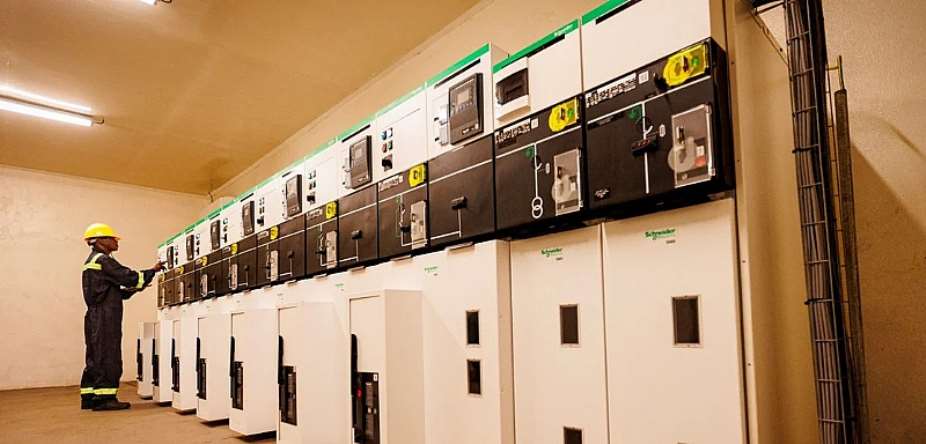
The African Development Bank (AfDB) Board of Directors has approved a new USD 3.9 million, two-year technical assistance project to support African countries in the implementation of their National Energy Compacts into action under Mission 300, the AfDB–World Bank initiative to connect 300 million Africans to electricity by 2030.
The Energy Compacts are national plans in which governments set out how they will expand electricity access, strengthen their power sectors, and attract investment.
Over the past year, dozens of African countries have launched these compacts, backed by strong political commitments and pledges from development partners, a statement issued by AfDB’s Department of Communication and External Relations and obtained by the Communication for Development and Advocacy Consult (CDA Consult) in Accra stated.
According to the statement, the new project, known as AESTAP Mission 300 Phase II, will provide direct technical support to 13 Mission 300 countries over the next 24 months, enabling them to move from documented energy plans to actual electricity connections for homes, schools, hospitals, and businesses.
Countries to benefit from it are: Chad, Gabon, Tanzania, Mauritania, DRC, Kenya, Nigeria, Madagascar, Ethiopia, Malawi, Lesotho, Namibia, and Uganda.
The AESTAP Mission 300 Phase II is expected to help beneficiary countries to improve electricity regulations, planning, and tariffs so investments can move forward.
It is also to strengthen utilities so they can deliver more reliable power and reduce losses and support better data, research, and learning across countries through tools like the Electricity Regulatory Index and regional energy forums.
Place expert advisers inside national Compact Delivery and Monitoring Units to help governments coordinate reforms and track progress.
According to the Director of Energy Financial Solutions, Policy and Regulation at the AfDB, Wale Shonibare, “The countries have made bold commitments through their energy compacts.
“Now, through AESTAP Mission 300 Phase II, we are helping them implement those commitments so that more households, entrepreneurs, and communities actually get electricity.”
The new project follows the approval of AESTAP Mission 300 Phase I in December 2025, which provided about USD 1 million to help countries set up and run their Compact Delivery and Monitoring Units (CDMUs). These units sit inside governments and are responsible for coordinating energy reforms across ministries and tracking progress.
Phase I focused on creating and strengthening these delivery teams – training staff, setting up monitoring tools, and helping countries plan their next steps.
Phase II will build on this by providing the technical support needed to implement planned reforms. The project will be implemented in coordination with other Mission 300 partners, including the World Bank, governments, and development organisations, to ensure a coordinated effort.
The AfDB was established in 1964 by the Organisation of African Unity, now known as the African Union. It comprises three entities: the African Development Bank, the African Development Fund, and the Nigeria Trust Fund.
The bank's mission is to promote economic and social development across African countries by providing financial and technical assistance for development projects and programmes.
It plays a crucial role in addressing challenges such as poverty, infrastructure development, and economic growth across the continent.
 Obuasi SHTS alleged sexual abuse: Kwasi Kwarteng criticises Education Minister o...
 ECOWAS’ $250,000 flood relief donation arrives in Ghana – Ablakwa
 Kennedy Agyapong has not resigned from NPP – Kwasi Kwarteng
 State failure, not GoldBod, driving galamsey – Daryl Bosu
 A Rocha Ghana raises alarm over human rights abuses in mining communities
 ECOWAS, AfDB discuss ways to advance West Africa’s development priorities
 October 16: Cedi gains against dollar, sells at GHS12.25 on forex market, GHS11....
 Galamsey: Ghana’s rivers now run chocolate and milk colour — Sam Jonah
 A nation of job-seekers will always be poor — Sir Sam Jonah
 “If you attack us with pepper spray, we’ll fight back” — NDC Yakubu Tony Aidoo w...


