




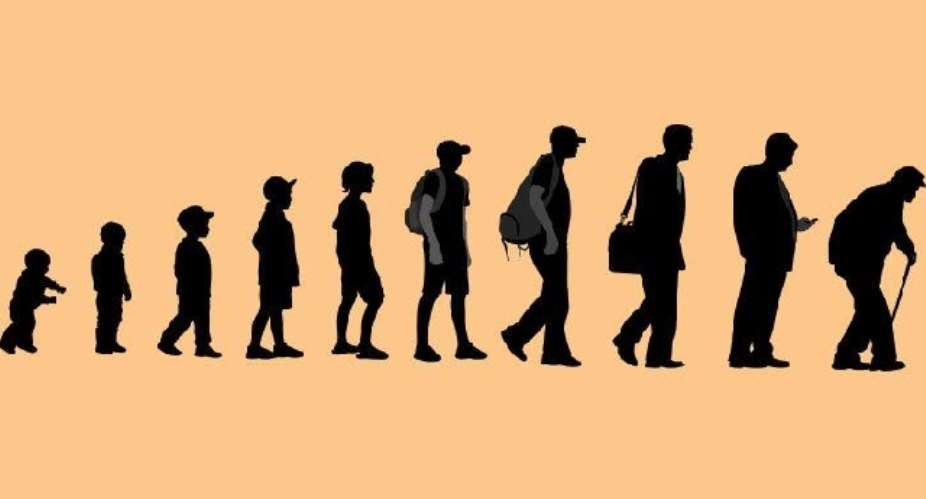
Life expectancy is a measure of how long people in a country are expected to live on average, based on current mortality rates. It reflects many aspects of a society from healthcare systems and economic conditions to lifestyle habits and cultural practices. In Ghana, life expectancy has steadily improved over the past decades but remains lower than in many other nations. Understanding why some countries have higher life expectancy and what Ghana can learn from them helps underscore the importance of lifestyle changes and policy reforms.
Life Expectancy in Ghana
According to recent data, the average life expectancy in Ghana is approximately 65.5 years as of 2023. This represents a notable improvement over past decades but still falls below the global average of around 73 years.
Several factors influence Ghana’s life expectancy, including communicable diseases, access to quality healthcare, maternal and child health challenges, and the rising prevalence of non-communicable diseases such as hypertension and diabetes. Lifestyle and how people live, eat, and take care of their health plays a significant role in these patterns.
Countries with Higher Life Expectancy
Many countries around the world have much higher life expectancy than Ghana. In fact, the highest life expectancy figures globally are found in nations where citizens live well into their 80s on average:
Monaco and San Marino boast some of the world’s highest life expectancies, with averages around 86 years or more.
Hong Kong and Japan also lead global rankings, with life expectancies above 84–85 years.
Other countries like Switzerland, Italy, Spain, Singapore, and Australia typically have life expectancy figures in the low-to-mid 80s.
These nations not only have excellent healthcare systems but also cultural factors and lifestyle practices that support longevity. For example, Japan’s longevity is often linked to a diet rich in fish, vegetables, and fermented foods, as well as strong social connections and preventive healthcare culture.
Why These Differences Exist
The gap between Ghana’s life expectancy and that of higher-ranking countries arises from several interconnected factors:
Healthcare Access and Quality: Nations with universal or near-universal healthcare tend to detect and treat diseases earlier, improving survival rates and extending lives.
Nutrition and Diet: Diets rich in unprocessed foods, fruits, vegetables, lean proteins, and healthy fats common in Mediterranean and East Asian cultures are associated with lower rates of heart disease, obesity, and diabetes.
Preventive Lifestyle Habits: Regular physical activity, low smoking rates, moderate alcohol consumption, and effective stress management contribute to longevity. Countries with higher life expectancy emphasize preventive care rather than treating disease only after it appears.
Education and Public Health Policies: Strong public health systems that promote vaccinations, sanitation, maternal and child health, and education about disease risks help reduce mortality from both communicable and non-communicable diseases.
Lifestyle Changes Ghana Can Embrace
Although systemic changes such as improved healthcare infrastructure are critical, individual lifestyle changes can also make a meaningful impact. Here are key areas where Ghanaians can focus:
Balanced Nutrition: Emphasize locally available nutritious foods fresh fruits, vegetables, whole grains, legumes, and lean proteins while reducing intake of sugary drinks, excess salt, and deep-fried foods.
Regular Physical Activity: Encourage walking, cycling, sports, or community fitness programs. Even moderate daily activity strengthens the heart, improves mood, and helps manage weight.
Avoiding Harmful Habits: Smoking cessation and limiting alcohol consumption can significantly lower the risk of cancers, liver disease, and cardiovascular problems.
Routine Health Screenings: Early detection of conditions such as high blood pressure or high blood sugar can prevent complications. Regular check-ups also reinforce healthy behavior.
Mental Health Awareness: Stress, anxiety, and depression can indirectly affect physical health. Promoting mental wellness through social support, mindfulness, and community programs enhances overall quality of life.
Conclusion
While Ghana has made progress in increasing life expectancy, there is still a considerable gap compared to countries with the highest life expectancy in the world. Much of this gap stems from differences in healthcare systems, socio-economic development, and lifestyle habits. By adopting healthier lifestyles balanced diets, regular exercise, preventive care, and avoidance of harmful habits Ghanaians can not only live longer but enjoy healthier, more fulfilling lives. These individual changes, supported by strong public policies and community initiatives, can help Ghana continue to close the gap and improve the well-being of its people.
Mustapha Bature Sallama
Medical Science communicator.
Private Investigator and Criminal
Investigation and Intelligence Analysis,
International Conflict Management and Peace Building. Alumni Gandhi Global Academy United States Institute of Peace.
[email protected]
+233-555-275-880


 Ato Forson pays tribute to Omane Boamah, describes him as selfless and patriotic...
 Appeal Court backs District Court ruling against Zuriah FM broadcaster
 'Don't be negligent, verify before you buy' — CDA Consult on counterfeit goods a...
 Tension brews as Kpandai and Nkanchina communities threaten to shut down nursing...
 'Complete existing Accra-Kumasi Highway works before expressway' — Minority tell...
 'Fix existing Accra-Kumasi highway; expressway is not the solution to current pr...
 Delegate system is destroying Ghana – Asiedu Nketiah
 Ghana Water Ltd announces three-day shutdown of Kpong-Tema pipelines for mainten...
 Education Minister's claim on recruitment of 2023-trained teachers is factually ...
 Fuel intervention: 'Global shocks affect Ghana; NDC must admit that'— Adomako Ki...

