




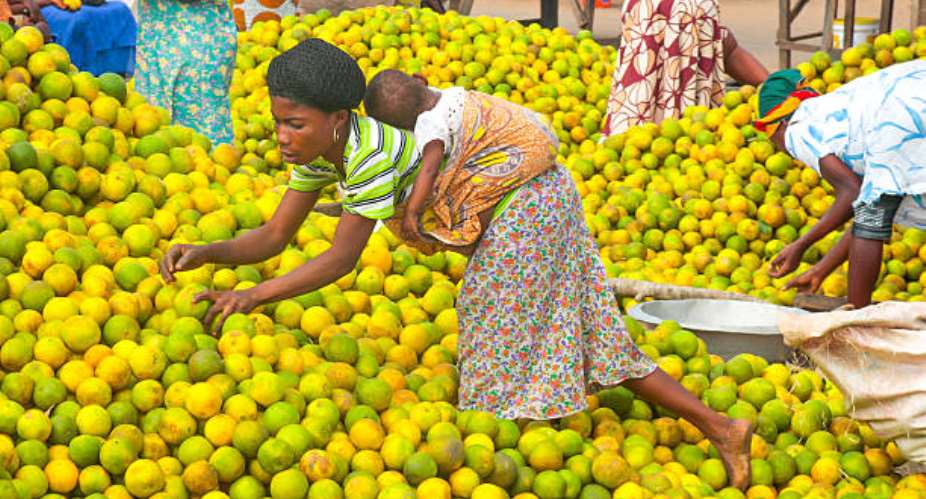
Modern Ghana is witnessing a dynamic evolution in its economic and commercial landscape. Businesses, investors, and policymakers must understand the interplay of market forces, consumer trends, supply-demand dynamics, pricing pressures, and emerging opportunities to navigate this rapidly changing environment effectively. In 2026, Ghana is characterized by a mixed market economy, a growing urban middle class, digital adoption, and increasing integration with the broader African market.
This comprehensive analysis by The High Street Business combines insights from Ghana’s market structure, key market forces, consumer behavior, supply-demand interactions, and emerging business opportunities to offer a holistic view of the country’s evolving economy.
Understanding Ghana’s Market Structure
Ghana operates a mixed economy, where private enterprise drives most economic activity while the government maintains oversight in strategic sectors such as energy, transportation, and financial services. The market is divided into:
- Formal sector: Registered companies, banks, and multinational corporations adhering to regulations and benefiting from access to finance, government contracts, and export incentives.
- Informal sector: Open markets, small traders, artisans, and home-based enterprises remain critical for employment and daily trade, offering flexibility and adaptability.
- Public sector: State-owned enterprises manage essential services such as electricity, water, cocoa marketing, and transportation, often collaborating with private actors through public-private partnerships (PPPs).
Financial markets, commodity markets, and consumer retail structures also define the economy. Modern trends, particularly digitalization, are transforming traditional practices across both formal and informal sectors.
Key Market Forces Driving Prices
Prices in Ghana are shaped by an intricate web of domestic and external factors. Major forces include:
- Supply and demand: Seasonal fluctuations, urban population growth, and production constraints directly influence price movements.
- Inflation and cost-push factors: Rising input costs, including fuel, labor, and raw materials, contribute to inflationary pressures.
- Exchange rate dynamics: A weakening cedi increases the cost of imports and imported production inputs, impacting prices economy-wide.
- Government policy: Taxes, levies, tariffs, and subsidies directly influence the cost of goods and services.
- Global commodity trends: Energy and commodity prices transmit shocks to local markets, affecting both household budgets and business costs.
Understanding these forces allows businesses to anticipate price fluctuations, manage costs, and align strategy with market realities.
Ghana’s Consumer Market Trends
Consumer behavior in Ghana is shifting significantly. Key trends include:
- Demographic influence: Youthful population and urbanization drive demand for food, housing, education, healthcare, digital services, and lifestyle products.
- Value-conscious consumption: Consumers are increasingly price-sensitive, prioritizing products that balance affordability, quality, and convenience.
- Digital adoption: Mobile money, e-commerce, and social commerce platforms are reshaping purchasing patterns and market access.
- Informal sector resilience: Traditional markets continue to meet significant consumer demand, often complementing formal retail.
- Lifestyle and health awareness: Rising disposable incomes fuel interest in quality consumer goods, wellness, and educational services.
Businesses that adapt to these trends—through product design, digital engagement, and trust-building—can secure long-term market share.
How Demand and Supply Shape the Economy
Demand and supply remain foundational to Ghana’s economic activity. The balance between what consumers want and what producers provide determines prices, output levels, employment, and investment:
- Consumer demand: Driven by income, demographics, cultural factors, and credit availability. Urbanization and a growing middle class amplify demand for diversified goods and services.
- Supply capacity: Influenced by infrastructure, production technology, capital availability, and import reliance. Supply constraints often result in higher prices and competition for scarce resources.
- Market interaction: Excess demand raises prices; oversupply creates downward pressure. Seasonal patterns, festive cycles, and harvest periods further influence availability and costs.
By understanding these dynamics, businesses can better forecast demand, manage inventory, and optimize pricing strategies.
Emerging Market Opportunities Across Ghana and Africa
Modern Ghana is rich with business opportunities across sectors:
- Agriculture and agro-processing: Moving from raw exports to value-added products like packaged foods, beverages, and processed crops.
- Digital economy: E-commerce, fintech, software development, and digital marketing expand market reach and efficiency.
- Renewable energy: Solar, wind, microgrids, and energy-efficient solutions address energy access gaps.
- Healthcare and education: Rising demand for quality services, diagnostics, pharmaceuticals, and private education.
- Infrastructure and logistics: Urbanization and regional trade integration create opportunities in transport, warehousing, and supply chain solutions.
- Consumer lifestyle markets: Branded goods, leisure, wellness, and household products are in growing demand.
- Regional expansion: AfCFTA allows businesses to access markets across Africa, diversifying revenue and mitigating domestic risks.
These opportunities reflect Ghana’s evolving position as a regional commercial hub, combining traditional sectors with modern, tech-driven markets.
Implications for Businesses and Investors
To succeed in modern Ghana, businesses must:
- Monitor market forces: Anticipate price fluctuations and supply-demand shifts.
- Understand consumer trends: Leverage insights into demographics, preferences, and digital adoption.
- Invest strategically: Target high-growth sectors like digital services, renewable energy, and healthcare.
- Integrate regionally: Use AfCFTA to expand beyond domestic borders.
- Adopt flexibility: Balance formal and informal market engagement for wider reach.
- Leverage technology: Digitize operations, marketing, and payment systems to enhance efficiency and customer experience.
By aligning strategy with these evolving market realities, businesses can secure growth and sustainability in Ghana and across Africa.


 'When I go to sleep, I know I haven’t done anything wrong' – Finance Minister
 Police arrest Klo-Agogo SHS accounts clerk over alleged defilement of female stu...
 Mahama directs formation of inter-agency task force to curb rising drug traffick...
 10 people including 4 customs officers held over drug trafficking through Ghana ...
 Minority chases Sports Minister to provide detailed account of GH¢58million Worl...
 Kwabenya court denies bail to six accused over 3.9tonne cocaine shipment
 Mahama reaffirms commitment to establish University in Ahafo Region
 Nyindam explains decision to back Agyarko over Boadu in NPP chairmanship race
 Trump threatens EU with tariffs over 'laughable' Canada association plan
 Exporters need better access to credit, infrastructure – Bawumia


