




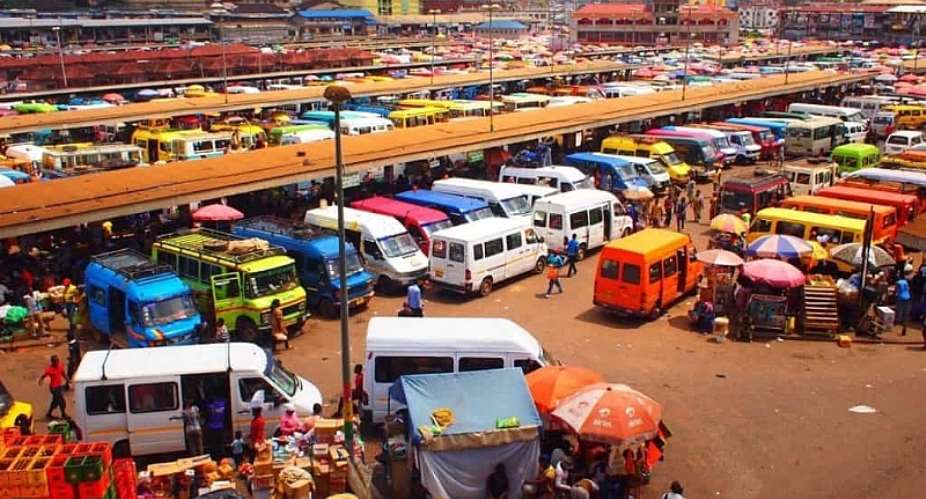
Public transportation is the lifeblood of daily movement for millions of people in many West African countries. In Ghana, the dominant mode of public transport in cities and towns is the trotro a shared minibus taxi system that carries passengers cheaply and efficiently. In Nigeria, transport systems are more varied and include buses, minibuses, and extensive inland waterways services (boats and ferries). Both countries have some form of regulation for mass transportation, but the degree of enforcement and safety standards differs significantly across modes, especially on water.
What Is a Trotro in Ghana?
A trotro is a privately-owned minibus that travels fixed routes but does not usually operate on strict schedules; instead, they typically leave a terminal only when the vehicle is considered “full” often meaning beyond formal seating capacity. These buses are commonly used in Accra, Kumasi, and other urban centers across Ghana and are central to the movement of commuters who rely on affordable transport.
Most trotros are converted minibuses such as Nissan Urvans, Mercedes Sprinters, or Toyota Hiaces with design seating capacities typically between 15 and 23 passengers. Because many operate using the fill-and-go approach, the number of actual passengers inside at any time can exceed the number of seats, with many people standing, crowded tightly between seats, or even riding with luggage and goods in the passenger area.
Time Out Worldwide
Regulation of Trotros in Ghana
Ghana does have laws and regulatory frameworks intended to govern public transport, including trotros:
Road Traffic Regulations (L.I. 2180) This legislative instrument outlines rules for vehicles operating on public roads, including public passenger vehicles. Among other things, it sets standards for vehicle safety and prohibits nuisances (such as preaching or hawking inside moving vehicles).
Union Membership Trotro operators are generally expected to belong to transport unions (such as GPRTU and PROTOA), which coordinate routes, terminals, and some aspects of operation in collaboration with local authorities.
Driver Licensing & Vehicle Registration Drivers must hold valid licenses, and vehicles are supposed to be registered and pass roadworthiness checks with the Driver and Vehicle Licensing Authority (DVLA).
Despite these frameworks, enforcement is often weak. Many minibuses are poorly maintained and overloaded, and passengers may stand instead of having seats a situation tolerated on much of the public transport network. This impacts comfort and safety, and violations such as overcapacity seating and insufficient safety equipment are common.
Does Ghana Have Rules Like “Forty None Sitting, Ninety Standing”?
There is no formal rule that specifies a trotro must carry “forty standing if none sitting” or set exact standing allowances in that way, and most trotros are simply built for a certain number of seats (e.g., 15–23). However, in practice, passengers often stand when seats are full, and the informal nature of the system allows drivers to carry more people than the legal seating limit. This happens largely because the system is unmetered, financed by private operators, and enforcement is limited.
Nigeria’s Mass Transport Regulations Land and Water
In Nigeria, the public transport landscape includes both road and water modalities, and there are regulatory frameworks on each:
Road Transport Regulation
Nigeria’s public transport vehicles including buses and danfos (minibuses) operate under federal, state, and local transport guidelines. Cities like Lagos have formal agencies (e.g., LAMATA) that oversee routes, safety compliance, and traffic regulations. These frameworks include vehicle registration, driver licensing, and safety inspections, although enforcement varies by state and route.
Water Transport Regulation
Unlike in Ghana, inland water transport in Nigeria has formal regulations governed by the National Inland Waterways Authority (NIWA) and related laws. In 2023, the Inland Waterways Transportation Regulations (also known as the Waterways Transportation Code) were enacted in Nigeria. These rules cover:
Maximum load and number of passengers permitted on a vessel.
Licensing and training of boat crews and operators.
Safety gear requirements, such as mandatory life jackets for passengers and crew.
Inspection and registration of vessels.
Enforcement measures, including fines and penalties for violations of safety and capacity limits.
These regulations aim to prevent overloading and accidents including restrictions on night operations, clear passenger manifests, and mandatory safety briefings.
However, despite these laws, enforcement challenges remain. Boat operators sometimes flout rules due to lack of oversight, and accidents still occur when vessels are overloaded or lack safety equipment.
Conclusion
Ghana’s trotro system remains a vital but informally regulated mode of mass transport, where vehicle seating capacities are defined by design (often 15–23 seats) but actual use frequently exceeds those limits due to standing passengers and overloaded conditions. Regulatory frameworks exist, but enforcement is inconsistent. In Nigeria, mass transport on land is managed with formal licensing and urban transport planning, and water transport boats carrying passengers and goods is regulated under comprehensive inland waterways laws that set passenger limits, safety equipment standards, and enforcement mechanisms.
Mustapha Bature Sallama
Medical Science communicator.
Private Investigator and Criminal
Investigation and Intelligence Analysis,
International Conflict Management and Peace Building. Alumni Gandhi Global Academy United States Institute of Peace.
[email protected]
+233-555-275-880


 Asiedu Nketiah opts out of NDC chairmanship race amid flagbearership speculation
 NDC insists Nkwanta North elections will proceed despite court injunction
 'My side of the story will shock you; I'm waiting for court days' – Obuasi SHTS ...
 NDC suspends Amasaman Communications Officer over 'irresponsible' remarks on Obu...
 Parliament secures religious leaders’ support to end witchcraft accusations
 GES mourns four pupils killed in Aboabo Junction accident
 CSA, NITA issue seven-day directive to government agencies to patch critical PHP...
 Critics unfairly expect Prof Opoku-Agyemang to make emotional statements about i...
 Obuasi SHTS sexual abuse: Let's not get overly emotional to hang an innocent man...
 Africa faces 'complex' Ebola outbreak after spread to Nigeria: WHO


