




Abstract
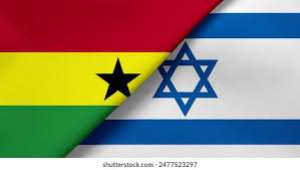
This article examines the diplomatic fallout following the detention and deportation of Ghanaian nationals at Israel’s Ben Gurion International Airport on 7 December 2025, and how Ghana’s assertive response reinforced its international image as a sovereign state committed to protecting its citizens. The analysis situates Ghana’s diplomatic strategy within broader frameworks of state sovereignty, reciprocity in foreign relations, and values-driven foreign policy. Drawing on official pronouncements and reciprocal measures, the article argues that Ghana’s calibrated yet firm stance enhanced its international standing while reflecting a principled commitment to national dignity and international norms. In doing so, it highlights the strategic functions of such diplomatic posturing for mid-sized states navigating global geopolitics.
Introduction
On 7 December 2025, a significant diplomatic dispute emerged between the Republic of Ghana and the State of Israel following the detention and subsequent deportation of several Ghanaian travellers at Ben Gurion International Airport. Accra’s response was immediate and robust, involving formal protest, reciprocal deportations, and a clear articulation of national values in foreign policy. This article explores the contours and implications of Ghana’s diplomatic stance and assesses how it contributes to the country’s international image as a sovereign actor committed to the protection of its nationals and respectful global engagement. ([Businessday NG][1])
Incident at Ben Gurion Airport
On Sunday, 7 December 2025, seven Ghanaian travellers were detained by Israeli authorities at Ben Gurion International Airport. Among them were four members of an official parliamentary delegation bound for an international cybersecurity conference in Tel Aviv, while the remaining individuals were on personal travel. After more than five hours of diplomatic intervention, the officials were released; however, three other travellers were denied entry and deported back to Ghana. (https://www.bbc.com/news/articles/cjdr0gjzxkxo&[1])
The Government of Ghana condemned the treatment as “inhumane and traumatic,” rejecting assertions from Israeli authorities that the Ghanaian Embassy in Tel Aviv had failed to cooperate with procedural requirements. Accra characterized the actions as discriminatory and inconsistent with the historically cordial relations enjoyed by the two countries for over six decades. (https://telaviv.mfa.gov.gh/Ghana-Israel-Bilateral-Relations.aspx&v[1])
Ghana’s Diplomatic Response and Reciprocal Measures
In response to the Ben Gurion incident, Ghana’s Ministry of Foreign Affairs adopted a clear and multi-pronged diplomatic strategy. First, Ghana summoned Israeli diplomatic officials to formally register its displeasure, conveying strong protest in a manner consistent with diplomatic protocol. Second, as a reciprocal measure, Ghana deported three Israeli nationals shortly after the airport incident, a calibrated action aimed at signaling that the dignity of Ghanaian citizens would not be undermined. Third, Accra communicated that it might consider further measures should the matter remain unresolved. (https://telaviv.mfa.gov.gh/Ghana-Israel-Bilateral-Relations.aspx&v[2])
These measures underscored the balancing act between assertiveness and constructive engagement, signaling that Ghana would not retreat from defending its citizens’ rights while maintaining pathways for dialogue. This approach aligns with strategic reciprocity theories in international relations, which posit that states leverage reciprocal responses to reinforce norms of equitable treatment and deter future mistreatment. (Premium Times Nigeria[1])
Strategic Significance for Ghana’s International Image
1. Reinforcing Sovereignty and Citizen Protection
By actively protesting and implementing reciprocal actions, Ghana reinforced its role as a sovereign actor responsible for the welfare and dignity of its nationals abroad. This stance resonates with conceptualizations of modern statehood, where protection of citizens transcends territorial boundaries and constitutes a core element of sovereign legitimacy. (Businessday NG[2])
2. Balanced and Principled Diplomacy
Ghana’s response exemplified a principled diplomatic posture that avoided escalation into a full-blown conflict while articulating clear boundaries of acceptable conduct by foreign authorities toward Ghanaian nationals. Diplomatic summons and deportations were calibrated responses that maintained respect for international norms even amid firm protest. ([Premium Times Nigeria][2])
3. Values-Driven Foreign Policy
The incident magnified Ghana’s ongoing foreign policy emphasis on human dignity, fairness, and international cooperation. While unrelated, broader commitments such as Ghana’s humanitarian engagements — for instance, contributions to humanitarian causes in global contexts — reflect an outward-looking diplomatic ethos that prizes ethical engagement alongside national interest. This values-driven narrative further anchors Ghana’s international image as a constructive actor in global affairs. ([Businessday NG][1])
Conclusion
Ghana’s firm and visible diplomatic stance following the Ben Gurion Airport incident in December 2025 exemplifies how mid-sized states can navigate complex international disputes while reinforcing sovereign dignity and national image. By pairing assertive citizen protection with continued openness to diplomatic engagement, Accra demonstrated both strategic reciprocity and principled international conduct. This approach not only served to defend the rights of Ghanaian nationals but also enhanced Ghana’s reputation as a values-driven, sovereign state capable of proactive and balanced diplomacy. In this context, Ghana’s actions reflect a nuanced understanding of contemporary international relations — one in which the protection of citizens, adherence to international norms, and respectful engagement with partners coalesce into a coherent foreign policy identity. ([Businessday NG][1])
By: Hamza I. Salifu


 Talensi: Minerals Commission orders Nanlamtaaba Enterprise to halt mining in Gba...
 'I faced those who openly insisted that there’s no galamsey going on' – Prof Gya...
 Trump threatens to not reopen Kennedy Center after board blocks renaming
 Minority boycotts Foreign Affairs Committee meeting on South Africa evacuation o...
 Police arrest two over 192 parcels of suspected cocaine in Wa
 Challenging Heights reveals how Ghanaian girls are recruited into sex trade thro...
 GHS records more than 53,000 adolescent pregnancies in 7 months
 No school being demolished to construct 24-hr economy market at Mankranso - Ash...
 Education Ministry to review 'problematic' CSSPS after Catholic Bishops’ concern...
 Family of Salormey Baffoe appeals for her release from alleged National Security...


