




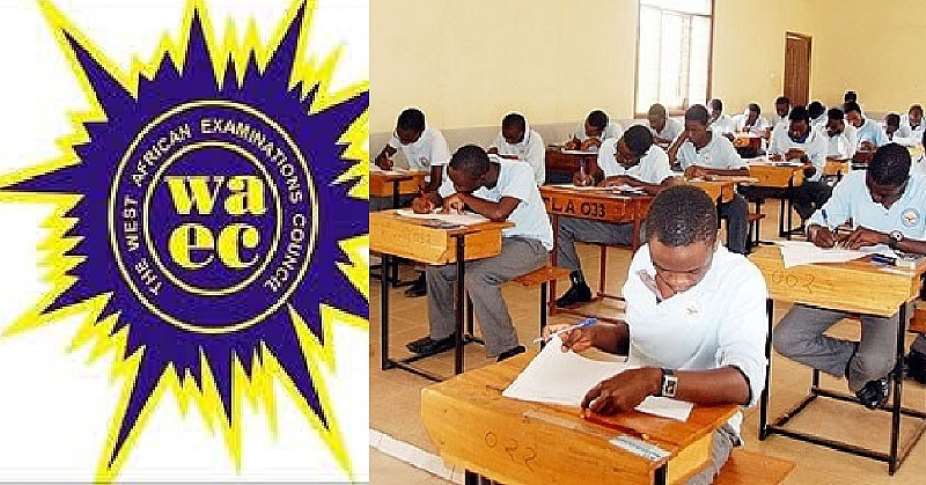
The 2025 WASSCE results have gone viral, stirring intense public conversations. While the figures are worrying, they also give us important insight into how students are learning—and where national attention is urgently needed.
Mathematics dropped from 66.86% in 2024 to 48.73% in 2025, with more than 114,000 students scoring F9. Mathematics is the foundation for engineering, ICT, medicine, architecture, and skilled trades. A drop in Maths affects every STEM-related career path.
Integrated Science declined from 66.82% (2023) to 57.74% (2025). Without strong science foundations, Ghana risks falling behind in biotechnology, modern agriculture, climate solutions, industrialisation, and digital innovation.
Social Studies also dropped—from 76.76% to 55.82%—with over 122,000 students failing. This subject is critical because it builds civic responsibility, ethics, national identity, and critical thinking.
English Language performance remained stable.
GES Sets the Record Straight
GES has responded to the public debate, explaining that the 2025 results are the outcome of strict exam protocols, stronger invigilation, and a firm crackdown on malpractice.
The Ministry of Education and GES issued a pre-exam warning that any teacher or official caught aiding cheating would face sanctions. This was strictly enforced, resulting in the arrest of both students and staff who attempted to cheat.
GES insists that the decline in some subject pass rates is actually evidence that the system is restoring integrity, not collapsing. The results reflect real performance—not inflated scores.
GES also dismissed claims of cancelled teacher allowances and urged the public to ignore misinformation.
With Ghana preparing to adopt the international WASSCE format in May/June 2026, GES encouraged students and teachers to take preparation seriously.
A Healthy Correction for National Development
If the stricter protocols contributed to the drop in pass rates, then this moment may be a necessary correction. When students genuinely learn—and not rely on shortcuts—Ghana produces stronger graduates who can drive national development.
A system that allows malpractice only delays the truth. If students don’t study and weaknesses are never exposed, the country will struggle to produce the quality professionals needed to move the nation forward.
Where We Go From Here
More teacher support, early identification of learning gaps, better classroom conditions, and stronger parental involvement will help improve performance over time.
These results may look like a national failure, but they are not. They remind us to focus more on learning itself—not just exam outcomes.
This is not a crisis.
It is a wake-up call — and Ghana is ready to respond.


 NCA clears MTN, Telecel and Goal Telecom for next stage of 5G spectrum licensing
 ICT accounts for 41.5% of Ghana’s 6% Q2 2026 economic growth – GSS
 Ghana Highway Authority to correct defects on portions of Eastern Corridor Road
 ECG private sector participation to be determined after transaction advisor's re...
 Over 70% of Ghanaians walking with hypertension unaware – Cardiothoracic Centre ...
 Weija Dam spillage: $350million flood control project to begin by December
 Ghanaians should be grateful for voting Mahama back to power for saving Ghana’s ...
 I remain committed to NPP despite withdrawal from National Organiser race — Sala...
 John Boadu, Sammy Crabbe, Paul Afoko, Boakye Agyarko secure 1st to 4th spots in ...
 Auditor-General report exposes financial rot at 18 assemblies in Volta Region; C...

