




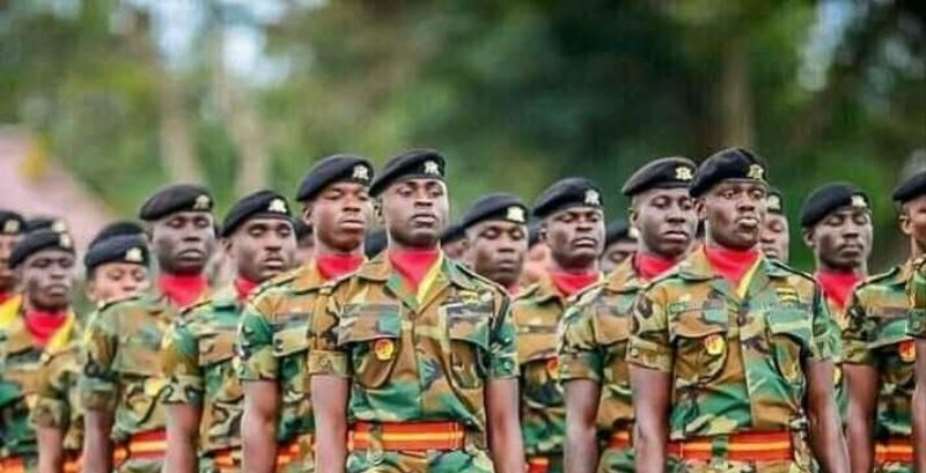
The tragic incident at the El-Wak Sports Stadium on November 12, 2025, which claimed the lives of six young potential recruits and left many others injured, has once again exposed the urgent need for Ghana to overhaul its security recruitment system. What should have been a dignified national exercise turned into an avoidable disaster, a painful reminder that our outdated methods can no longer support the country’s growing youth population.
For decades, recruitment into the Ghana Armed Forces, Police Service, Fire Service, Immigration Service, and Prisons Service has followed a largely manual process, often requiring thousands of applicants to converge at a single location for screening. With limited infrastructure and an increasing number of applicants, such processes present dangerous conditions that can easily result in chaos and tragedy.
I asked myself what could have caused the tragic loss of the six potential recruits. Was there a violation of the Standard Operating Procedures? Was it the result of long-standing youth unemployment deficiencies and systemic gaps left unaddressed over the past four years? Or was it simply the desperation of unemployed young people struggling for an opportunity to survive? Until the authorities complete their final investigation, we can only wait to fully understand what went wrong and appreciate the true cause of this unfortunate incident.
To prevent future occurrences, Ghana must boldly modernize and reset its recruitment architecture. Across the world, in countries like the United States, Canada, and the UK, security institutions employ technology-driven recruitment systems that emphasize safety, transparency, and efficiency. Applicants undergo initial screening through digital portals, complete online aptitude tests, upload documents electronically, and receive interview schedules via email or SMS. Physical presence is only required at later stages, drastically reducing crowds and ensuring better organization.
Ghana can implement a similar centralized online recruitment platform that verifies data automatically, shortlists applicants digitally, and coordinates physical screening in controlled batches. The integration of biometric verification, digital medical records, and online background checks would further enhance transparency and reduce human interference.
In addition, a promising pathway is already emerging through the Youth Employment Agency (YEA), under the leadership of CEO Malik Basintale, which currently deploys young people as Community Police Assistants (CPA), Prison Service Assistants (PSA), and Community Medical First Responders (CMFR). This framework can be strengthened and transformed into a structured feeder system for formal security recruitment. After serving a defined period and undergoing proper assessments, these assistants, armed with practical experience, discipline, and field exposure could be absorbed into their respective security agencies as full-time officers.
Adopting this model would significantly reduce pressure on recruitment centers, mitigate youth unemployment, enhance professionalism, and appropriately reward commitment. It would also help eliminate the desperation that drives thousands of young people to endanger their lives in overcrowded spaces while competing for limited opportunities.
Moreover, Ghana must begin scouting potential recruits from Senior High School Cadet Corps, where discipline, basic drills, and leadership training are already part of their formative experience. Cadet programs offer a structured system for grooming responsible young people who understand the ethos of service. If properly harnessed, this will reduce overcrowding, prevent fatal stampedes, and ensure a steady flow of pre-trained, well-prepared applicants.
There was a proposal for National Service Scheme (NSS) personnel, particularly graduates, to undergo basic military training as part of their service. I believed this initiative if implemented could serve as another valuable pathway for identifying and recruiting individuals who demonstrate passion, discipline, and a genuine interest in joining our security services in the future.
The El-Wak tragedy must not be forgotten. It should become the turning point that pushes Ghana to adopt global best practices, embrace technology, and prioritize human life. Reforming security recruitment is not only a policy necessity, it is a moral responsibility owed to every young Ghanaian hoping to serve their nation.
Chester Fiamegbe-Sani
Communication Strategist / Writer / Columnist / Photographer
Email: [email protected]


 Current successes make me wonder what we were doing in the past eight years — Ch...
 Community service targets misdemeanours, excludes serious crimes — Interior Mini...
 President Mahama dissolves boards of nine state institutions
 Call for Asiama’s removal from GoldBod Board must be based on facts — Kosi Dedey
 Roads Minister cautions contractors against ‘eye service’ after surprise site vi...
 SIGA Report: Don’t celebrate GETFund’s surplus as SOE profit — Adomako-Mensah
 Community Service Act will help reform offenders without prison contamination — ...
 How 300 mob from Gomoa stormed New Winneba, attacked residents and damaged prope...
 Ahmed Ibrahim says Mahama’s ministerial reshuffle was ‘divine intervention’
 NPP General Secretary race: Kodua supervised worse election defeat, must be vote...

