




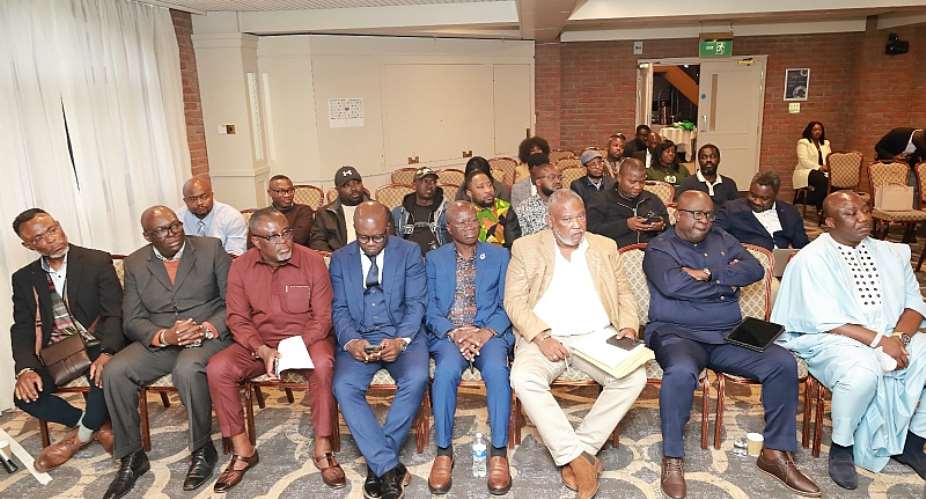
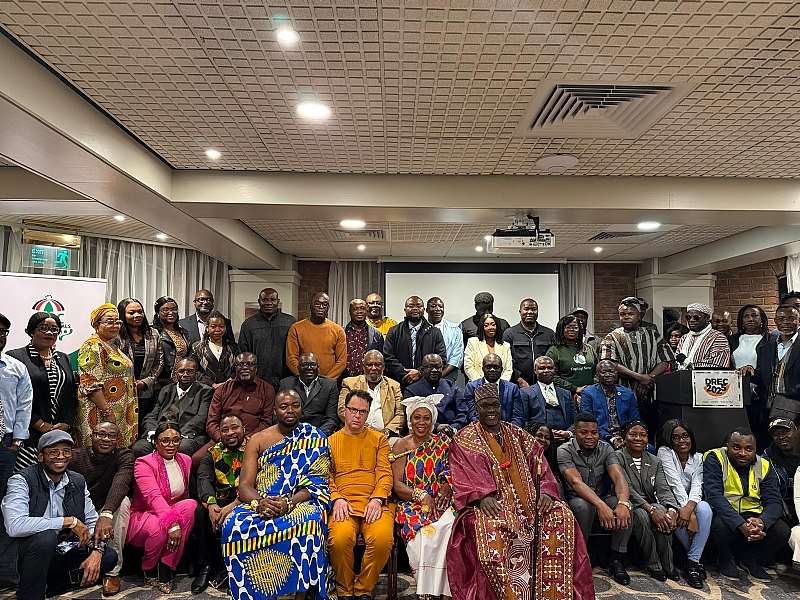
The 2025 edition of the Diaspora Reset Engagement Conference (DREC) concluded successfully, delivering a series of encouraging outcomes that reinforce its growing relevance and impact. This year’s conference brought together stakeholders from across the diaspora, government, civil society, academia, and the private sector, creating a dynamic platform for dialogue, policy reflection, and collaborative action.
Key discussions focused on diaspora integration, investment pathways, skills transfer, youth engagement, and emerging opportunities within the global economic landscape. Participants highlighted the importance of sustained collaboration and the need for structured mechanisms to translate insights into actionable initiatives.
DREC 2025 also strengthened strategic partnerships, introduced targeted interventions to support diaspora engagement, and secured renewed commitments from partner institutions. Feedback from delegates pointed to increased clarity of purpose, more productive networking outcomes, and a shared resolve to build on the progress made.
The conference further emphasised the importance of a comprehensive framework to support the ongoing apprenticeship programme initiated by the Government of Ghana. Experts commended the government for this forward-looking initiative—recognising its potential to address skills gaps and expand opportunities for youth employability. However, they recommended that the policy be enhanced by benchmarking against successful apprenticeship models in the United Kingdom and Germany, where structured dual-training systems have proven highly effective. Participants stressed the need for stronger industry partnerships, improved certification pathways, and alignment with labour-market demands to ensure long-term sustainability.
As the conference came to a close, organisers expressed optimism that the momentum generated will translate into meaningful follow-up actions—contributing to long-term development objectives and reinforcing the central role of the diaspora in national transformation efforts.
Speaking on the theme “Global Talent into Local Transformation,” the Deputy High Commissioner to the UK and Ireland, His Excellency Aquinas Tawia, stated that the High Commission would collaborate with the Professional Forum to update the existing database of Ghanaian professionals in the United Kingdom and Ireland. Emphasising the need for partnership and coordinated engagement, he noted that the Government of Ghana remains committed to working with the diaspora to establish sustainable business opportunities in the country.
Dr. Tony Aubynn, CEO of the Petroleum Hub Development Corporation of Ghana, highlighted the unique strengths the diaspora can contribute in supporting the reset agenda. He noted that the government was exploring diaspora bonds and other investment models aimed at channelling remittances into strategic national development initiatives.
The President of the ProForum UK and Ireland, Kenneth Johnson, called for a more formalised collaboration framework between government and the Professional Forum. He proposed the establishment of sectoral advisory councils, joint innovation projects, and diaspora-led investment platforms—mechanisms he believes can fast-track Ghana’s transformation. “This is how we move from consultation to co-creation, from goodwill to governance, and from potential to measurable progress,” he stated.

 Obuasi SHTS alleged sexual abuse: Kwasi Kwarteng criticises Education Minister o...
 ECOWAS’ $250,000 flood relief donation arrives in Ghana – Ablakwa
 Kennedy Agyapong has not resigned from NPP – Kwasi Kwarteng
 State failure, not GoldBod, driving galamsey – Daryl Bosu
 A Rocha Ghana raises alarm over human rights abuses in mining communities
 ECOWAS, AfDB discuss ways to advance West Africa’s development priorities
 October 16: Cedi gains against dollar, sells at GHS12.25 on forex market, GHS11....
 Galamsey: Ghana’s rivers now run chocolate and milk colour — Sam Jonah
 A nation of job-seekers will always be poor — Sir Sam Jonah
 “If you attack us with pepper spray, we’ll fight back” — NDC Yakubu Tony Aidoo w...


