




Abstract
This article examines the growing threat posed by illegal small-scale mining (“galamsey”) to Ghana’s food systems and human security. It explores the environmental degradation, water contamination, health hazards, and socio-economic disruptions resulting from unregulated mining activities. Drawing on recent studies, government reports, and case evidence from affected regions, the article establishes a clear link between illegal mining and food insecurity through soil erosion, deforestation, and pollution of key agricultural lands and water bodies. It further analyzes the human security implications ranging from health crises and displacement to loss of livelihoods and assesses the effectiveness of current policy interventions. The paper concludes with actionable policy recommendations aimed at promoting sustainable mining practices, safeguarding agricultural productivity, and ensuring long-term environmental and food security in Ghana.
1. Introduction
Illegal small-scale mining, locally known as galamsey, has emerged as one of the most pressing socio-environmental challenges confronting Ghana today. Rooted in the Akan expression “gather them and sell”, galamsey refers to informal and unregulated mining activities carried out without proper licenses or adherence to environmental and safety standards. While small-scale mining is legally recognized and has historically provided employment to rural populations, the rapid expansion of illegal operations has created a parallel economy that undermines national development, environmental stability, and human well-being.
Ghana’s economy has long been intertwined with mining, particularly gold production, which contributes significantly to export earnings and GDP. The sector employs hundreds of thousands of people, many of whom depend on artisanal mining as a means of survival in regions where agricultural incomes are low. According to national estimates, small-scale mining accounts for more than a third of Ghana’s total gold output, underscoring its economic relevance. However, the proliferation of unregulated operations often supported by powerful political and financial networks has turned this economic opportunity into a multidimensional threat.
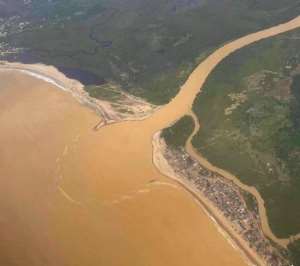
The country now faces a dual challenge: balancing the economic benefits of gold mining with the devastating consequences of illegal extraction. On one hand, mining sustains livelihoods, generates local income, and supports rural economies; on the other, it degrades agricultural land, pollutes vital water bodies, and accelerates deforestation. The resulting environmental destruction not only jeopardizes food security but also endangers human health and social stability. Mercury and cyanide contamination from galamsey sites have rendered many rivers, such as the Pra, Ankobra, and Offin, unsafe for drinking and irrigation, while farmlands once used for cocoa and staple crops lie barren or waterlogged from abandoned mining pits.
This article, therefore, seeks to analyze the ways in which illegal mining undermines Ghana’s food systems, public health, and community livelihoods. It highlights the interconnectedness between environmental degradation, declining agricultural productivity, and the erosion of human security. Through a review of recent data, field reports, and policy interventions, the paper aims to provide a holistic understanding of how the unchecked spread of galamsey activities threatens both ecological sustainability and socio-economic resilience.
The study is structured as follows: the background section outlines the evolution of artisanal and illegal mining in Ghana and identifies key drivers of its persistence. The subsequent sections examine the environmental and socio-economic impacts of galamsey, focusing on its implications for food and human security. Case studies from affected regions provide empirical illustrations of these issues. The governance and policy section evaluates existing interventions and their limitations, while the final part offers actionable recommendations and a call for coordinated national and community-level responses.
2. Background and Context
Ghana’s mining history is deeply rooted in its colonial and post-colonial economic development. The country, often referred to as the “Gold Coast,” has been a hub for gold extraction for centuries, dating back to pre-colonial times when indigenous communities engaged in rudimentary gold panning along riverbeds. Over time, mining evolved into a cornerstone of Ghana’s economy, attracting both local and foreign interests. Artisanal and small-scale mining (ASM) became a recognized livelihood for many rural households, providing an important source of income and employment, especially in areas with limited agricultural productivity or industrial development.
Evolution of Artisanal and Small-Scale Mining
The formal recognition of small-scale mining in Ghana began with the enactment of the Small-Scale Gold Mining Law (PNDC Law 218) in 1989. This legislation sought to regulate and support local miners by granting licenses, designating mining districts, and promoting environmentally responsible practices. Despite this legal framework, enforcement has been inconsistent, and a significant portion of mining activities has continued outside official regulation. These unregistered operations commonly referred to as galamsey operate without permits, pay no taxes, and frequently violate environmental and safety standards.
While legal artisanal mining was intended to empower local communities, the weak institutional capacity to monitor and enforce compliance led to the proliferation of illegal mining. The situation intensified in the early 2000s, when rising global gold prices and economic hardship pushed many unemployed youth and migrants into unregulated mining as a means of survival. Over time, galamsey evolved from a subsistence activity into a complex, capital-intensive enterprise involving sophisticated machinery, foreign operators, and organized networks that extend beyond local communities.
Regional Distribution and Environmental Hotspots
Illegal mining activities are widespread across Ghana but are particularly concentrated in gold-rich regions such as Ashanti, Western, Ahafo, and Eastern regions. The Western Region, for instance, hosts extensive galamsey operations around Tarkwa, Prestea, and Wassa, where forest reserves and river systems have been heavily degraded. In the Ashanti Region, areas like Amansie Central and Obuasi have seen farmlands converted into mining pits, destroying cocoa plantations and polluting water sources. Similarly, the Ahafo and Eastern Regions have experienced large-scale deforestation, river siltation, and loss of biodiversity as a result of illegal mining activities along the Ankobra, Birim, and Pra river basins.
These regions are also among Ghana’s key agricultural zones, producing cocoa, cassava, maize, and plantain staple crops essential for food security and export earnings. The overlap between fertile farmlands and mineral-rich territories has created a direct competition between agriculture and mining, with devastating consequences for rural livelihoods and food systems.
Socio-Economic Drivers of Illegal Mining
The persistence of galamsey is rooted in a combination of economic, social, and institutional factors. High unemployment rates, particularly among youth and rural populations, have made illegal mining an attractive source of quick income. In many communities, it offers higher and more immediate financial returns than farming, which is often hampered by limited access to credit, inputs, and markets.
Rising global gold prices have further intensified the incentive for illicit mining, as individuals and groups seek to capitalize on the high demand for gold without bearing the costs of formal regulation. Moreover, porous regulatory systems and corruption have enabled illegal operations to flourish. Local political interference and the complicity of some law enforcement officers have weakened institutional oversight, while the lack of coordination among agencies such as the Minerals Commission, Environmental Protection Agency (EPA), and security services has created enforcement gaps.
Governmental and Policy Responses
Recognizing the growing threat posed by illegal mining, the Government of Ghana has introduced several policy measures over the years to curb its spread. Notably, the establishment of the Inter-Ministerial Committee on Illegal Mining (IMCIM) in 2017 marked a coordinated attempt to enforce mining regulations and restore degraded lands. This initiative led to the deployment of Operation Vanguard fa joint military-police task force aimed at shutting down illegal sites and arresting offenders.
More recently, in 2024, the government launched the Ghana Gold Board (GoldBod) to formalize small-scale mining operations, promote traceability in gold exports, and ensure that local miners adopt environmentally responsible practices. GoldBod’s mandate includes the regulation of gold trade, monitoring of production, and introduction of mercury-free processing technologies. Despite these initiatives, challenges persist due to limited resources, fragmented governance, and the enduring profitability of illegal mining networks.
In sum, the background of illegal mining in Ghana reflects a complex interplay between economic necessity, weak governance, and environmental vulnerability. While mining remains a pillar of national development, its unregulated forms have evolved into a national crisis one that demands an integrated approach combining economic reform, environmental management, and community empowerment.
3. Environmental Impacts and Threats to Food Security
Illegal mining in Ghana has produced far-reaching environmental consequences that directly undermine the nation’s food security and agricultural sustainability. The destruction of arable land, contamination of water bodies, deforestation, and disruption of rural labour systems have combined to create a multidimensional threat to both ecological balance and human livelihoods. These impacts are not isolated environmental problems they translate into reduced crop yields, loss of income for farmers, health crises, and the erosion of national food sovereignty.
3.1 Land Degradation and Loss of Agricultural Productivity
Illegal mining, particularly in the form of surface excavation and alluvial gold extraction, has led to extensive land degradation across Ghana’s fertile agricultural belts. Mining activities often involve the removal of topsoil, the excavation of large open pits, and the deposition of waste material, rendering the land unsuitable for cultivation. In regions such as Ashanti, Western, and Ahafo, once-productive cocoa and food-crop farms have been destroyed to make way for unregulated mining operations. Crops like cocoa, cassava, maize, and plantain which form the foundation of both local diets and export earnings have suffered severe declines as a result.
The destruction of soil structure through erosion and compaction reduces water infiltration and nutrient availability, leading to long-term declines in soil fertility. The introduction of heavy metals such as mercury and arsenic into the soil further exacerbates this degradation, as these toxins inhibit plant growth and contaminate food crops. Abandoned mining pits and heaps of tailings prevent land reclamation and cause persistent waterlogging, making agricultural restoration costly and time-consuming.
The long-term consequences for Ghana’s agricultural output are dire. Cocoa, which contributes significantly to foreign exchange earnings, faces increasing threats from mining encroachment, particularly in forest reserves that double as cocoa-growing zones. According to various environmental assessments, thousands of hectares of cocoa farmland have already been lost to illegal mining activities. This decline not only affects national export revenue but also disrupts the livelihoods of smallholder farmers, widens rural poverty, and increases dependency on imported food commodities.
3.2 Water Contamination and Fisheries Decline
One of the most critical environmental impacts of illegal mining is the widespread contamination of water bodies. Unregulated miners commonly use toxic chemicals such as mercury and cyanide to extract gold from ore, discharging untreated waste directly into rivers and streams. The Pra, Offin, Ankobra, Birim, and Tano rivers once vital sources of drinking water, irrigation, and fish breeding are now heavily polluted.
Mercury used in gold amalgamation binds with sediments and enters aquatic food chains, leading to bioaccumulation in fish and posing severe health risks to humans who consume contaminated fish and water. Cyanide and other heavy metals degrade water quality, destroy aquatic habitats, and deplete oxygen levels, resulting in the decline of freshwater fisheries. Communities that depend on these rivers for drinking and household use are increasingly exposed to waterborne diseases and toxic substances.
Beyond health implications, water contamination has major repercussions for agriculture. Irrigation systems that rely on these polluted water sources spread contaminants to farmland, affecting crop quality and yield. The economic cost of treating water for domestic consumption continues to rise, placing additional burdens on both the Ghana Water Company and affected communities. This situation illustrates the intricate link between environmental degradation and food insecurity, where polluted water disrupts both the production and consumption ends of the food chain.
3.3 Deforestation and Ecological Disruption
Illegal mining is also a significant driver of deforestation and ecological imbalance in Ghana. To access gold-bearing soils, miners clear vast tracts of forest, including protected reserves and watersheds that are crucial for biodiversity and climate regulation. Forest loss is particularly severe in the Western and Ashanti regions, where mining overlaps with rich cocoa-growing zones and wildlife habitats. The removal of tree cover accelerates soil erosion, increases surface runoff, and destabilizes ecosystems that support pollinators and other key species essential for agricultural productivity.
Deforestation disrupts rainfall patterns and contributes to local climate variability. Forests play a crucial role in maintaining microclimatic stability, facilitating rainfall, and preserving soil moisture factors that directly influence crop growth. When forests are cleared for mining, local temperatures rise, rainfall becomes erratic, and the risk of drought intensifies. Such climatic changes threaten staple crops and reduce the resilience of farming systems to environmental shocks.
Furthermore, the destruction of vegetation and contamination of wetlands diminish the capacity of ecosystems to absorb carbon and regulate water cycles. The resulting ecological imbalance exacerbates flooding during the rainy season and intensifies dry spells in farming communities. Over time, these disruptions compound the challenges of sustainable food production and rural survival.
3.4 Labour Shifts and Reduced Food Supply
Illegal mining has also reshaped the socio-economic fabric of rural Ghana by diverting labour away from agriculture. Many young people, lured by the prospect of quick income from mining, abandon farming to engage in galamsey operations. This mass exodus of able-bodied labourers reduces the workforce available for planting, harvesting, and other critical agricultural activities. Consequently, productivity declines, and food supply diminishes both at the household and national levels.
In areas where mining dominates, farming is often perceived as less profitable and more laborious, leading to a generational shift away from agriculture. The decline in agricultural labour not only affects food output but also weakens local food systems, increasing dependence on imported goods and heightening food prices. Women, who traditionally play vital roles in food processing and marketing, are also affected, as reduced crop availability limits their income-generating opportunities.
The economic imbalance created by this labour shift extends to rural social structures. Communities once built around farming cooperation and seasonal labour exchanges are now fragmented, with many residents prioritizing individual gains from mining. This shift erodes social cohesion and undermines traditional forms of agricultural collaboration that previously ensured food stability during periods of scarcity.
Summary of Environmental Implications
The environmental consequences of illegal mining in Ghana are systemic and mutually reinforcing. Land degradation reduces the capacity for food production, water contamination affects both agriculture and human health, deforestation accelerates climate vulnerability, and labour migration disrupts the agricultural economy. Together, these factors form a vicious cycle that deepens food insecurity and weakens national resilience. Addressing these environmental challenges is therefore essential not only for ecological restoration but also for safeguarding the foundation of Ghana’s food and human security.
4. Human Security Implications
The environmental degradation caused by illegal mining in Ghana extends far beyond ecological damage it directly undermines human security in all its dimensions: health, livelihoods, safety, and social stability. The concept of human security, as defined by the United Nations Development Programme (UNDP), encompasses the protection of individuals from critical and pervasive threats to their well-being, including environmental, economic, and social vulnerabilities. In the Ghanaian context, galamsey represents a profound human security crisis that threatens the survival, dignity, and sustainable livelihoods of millions, particularly those in rural and resource-dependent communities.
4.1 Health Risks from Heavy Metal Exposure and Polluted Water Sources
One of the most immediate and alarming human security implications of illegal mining is the growing public health crisis linked to heavy metal contamination. Mercury and cyanide, commonly used in artisanal gold extraction, enter the soil, rivers, and food chains, creating long-term toxic exposure for communities living near mining sites. Studies conducted in mining-intensive regions such as Tarkwa, Obuasi, and Prestea have documented elevated levels of mercury and arsenic in river sediments, crops, and even human blood samples.
Residents who rely on contaminated rivers such as the Pra, Offin, and Ankobra for drinking, cooking, and irrigation are at constant risk of poisoning. Chronic mercury exposure has been associated with neurological disorders, kidney damage, and developmental problems in children, while cyanide exposure can cause respiratory failure and other acute health effects. In addition, open mining pits serve as breeding grounds for mosquitoes, increasing the prevalence of malaria and other vector-borne diseases.
Water pollution also affects food safety. Fish and crops grown near contaminated sites often accumulate heavy metals, introducing toxins into household diets and national food markets. This silent but pervasive contamination poses long-term health threats that can erode community resilience and place significant pressure on public health systems. The economic cost of treating water-borne illnesses and providing alternative water sources further exacerbates the burden on already resource-constrained local governments.
4.2 Livelihood Insecurity and Economic Vulnerability
Illegal mining contributes to widespread livelihood insecurity by depriving rural communities of their primary economic base agriculture. The destruction of arable land and the loss of cocoa and food crop farms have left thousands of farmers without stable income or employment. In many areas, fertile lands have been transformed into unusable mining landscapes dotted with pits, tailings, and contaminated soil.
The erosion of agricultural opportunities also undermines food self-sufficiency. Families that once relied on subsistence farming are forced to purchase food at higher prices or depend on external assistance. In regions where galamsey dominates, communities experience rising food inflation, decreased nutritional diversity, and increased poverty rates. These economic shocks are particularly devastating for households led by women or the elderly, who are less able to adapt to sudden livelihood changes.
Moreover, the informal nature of illegal mining means that most miners operate outside legal labour protections. Many earn inconsistent incomes, face hazardous working conditions, and lack access to healthcare or social safety nets. The cycle of environmental destruction and economic instability perpetuates rural poverty and widens socio-economic inequality, thereby threatening national cohesion and long-term development.
4.3 Social Tensions, Crime, and Displacement
The proliferation of illegal mining operations has also fueled rising social tensions and insecurity within affected communities. Competition over access to land, mineral-rich sites, and resources has led to frequent disputes between local residents, traditional authorities, and external mining groups, including foreign operators some from China and other West African nations. These conflicts often escalate into violence, property destruction, and community fragmentation.
The economic gains from galamsey have also attracted criminal networks involved in smuggling, money laundering, and illicit trade in gold and equipment. The influx of unregulated wealth has fueled corruption among local officials and security personnel, eroding public trust in institutions and weakening governance structures. In some regions, mining communities have become hotspots for theft, drug abuse, and armed violence, contributing to a breakdown of social order.
Displacement is another major human security consequence. As mining pits expand, farmlands and settlements are destroyed, forcing families to relocate without adequate compensation or alternative livelihoods. This involuntary migration not only disrupts social ties but also places additional strain on host communities and urban centers, leading to overcrowding and increased competition for limited resources such as housing, water, and employment.
4.4 Gendered Impacts and the Vulnerability of Women and Children
The impacts of illegal mining are not gender-neutral; women and children are disproportionately affected due to their social and economic positions within rural communities. Women play central roles in food production, processing, and household sustenance, but land degradation and water pollution have severely undermined these activities. As farmland productivity declines, women lose both income and food sources, increasing their dependency on unstable or unsafe economic alternatives, including informal trade around mining sites.
Women involved directly in galamsey face severe occupational hazards. Many engage in washing and sieving ore without protective equipment, exposing themselves to mercury and other toxic substances. Prolonged exposure can lead to reproductive health complications, miscarriages, and chronic illnesses. Additionally, women often bear the burden of caring for sick family members and managing households with limited access to clean water and food.
Children are another vulnerable group. The lure of quick income from mining has led to increasing cases of child labour in galamsey communities. Many children drop out of school to work as ore carriers, washers, or pit assistants, exposing them to physical danger, exploitation, and chemical poisoning. The resulting loss of education and long-term health effects create an intergenerational cycle of poverty and insecurity.
From a broader perspective, the feminization of poverty and the disruption of education among children weaken the social fabric and compromise Ghana’s human development goals. Addressing these gendered and child-specific impacts requires targeted policies that combine environmental protection with social welfare, education access, and empowerment programs for vulnerable groups.
Summary of Human Security Threats
The human security implications of illegal mining in Ghana are multidimensional and deeply interconnected. Health hazards, livelihood losses, social instability, and gendered vulnerabilities collectively undermine national resilience. The degradation of natural resources directly translates into diminished human welfare, eroding the very foundations of community survival and sustainable development. Combating galamsey, therefore, is not only an environmental necessity but also a moral, social, and security imperative for the future of Ghana.
5. Case Studies
To better understand the tangible effects of illegal mining in Ghana, it is essential to analyze localized experiences that illustrate how galamsey undermines both human and environmental security. The selected case studies Amansie (Ashanti Region), Ahafo (Ahafo Region), and Tarkwa (Western Region) highlight variations in environmental degradation, socio-economic disruption, and policy responses. These regions provide representative examples of how the galamsey phenomenon, though localized, mirrors a broader national crisis threatening food systems, livelihoods, and public health.
5.1 Amansie: The Disappearing Cocoa Farms of the Ashanti Region
The Amansie districts (Central, West, and South) have long been recognized as Ghana’s cocoa heartlands. However, in recent years, these areas have become epicenters of illegal mining, with devastating consequences for agriculture and rural livelihoods. Vast stretches of once-productive cocoa farms have been converted into open pits and contaminated landscapes.
According to reports from the Ghana Cocoa Board (COCOBOD), over 19,000 hectares of cocoa farmland in the Ashanti Region have been destroyed or abandoned due to illegal mining activities. Soil contamination from mercury and heavy metals has rendered many areas unfit for cultivation, while siltation from mining runoff has clogged nearby rivers such as the Oda and Offin, further affecting irrigation systems.
Community testimonies reveal deep frustration and despair among farmers. Many recount how miners, often backed by powerful financiers, trespass on farmlands at night, uprooting cocoa trees to access gold deposits. Traditional authorities have described the situation as an “existential threat” to the region’s agricultural future. “The land that fed our families is gone,” one farmer in Manso Nkwanta lamented. “Even if we replant, the soil is poisoned.”
Beyond economic loss, the region has witnessed increased social tension as youth abandon cocoa farming for illegal mining, drawn by the promise of quick cash. This shift has led to labour shortages in farming, disrupted family structures, and rising school dropouts. The Amansie experience exemplifies how galamsey directly competes with food production, erodes cultural ties to land, and endangers long-term economic stability.
5.2 Ahafo: Community Health and Water Contamination Crisis
The Ahafo Region, known for both legal and illegal mining operations, presents a complex case where industrial and artisanal mining coexist. While the presence of licensed companies such as Newmont Ghana Gold Limited has brought some infrastructural development, illegal mining around Kenyasi, Goaso, and Bechem has intensified environmental and health risks.
Environmental assessments conducted by the Water Research Institute (WRI) and local NGOs indicate alarming levels of mercury and cyanide in water bodies, including the Tano and Ayamfuri rivers. Many communities depend on these rivers for drinking, cooking, and irrigation, making them highly vulnerable to pollution-related illnesses. Field data show that mercury concentrations in some samples exceed the World Health Organization (WHO) safety limits by more than five times.
Interviews with residents reveal recurring cases of skin rashes, stomach disorders, and unexplained neurological symptoms, particularly among children and women who spend long hours washing ore in contaminated streams. Health workers in Goaso have reported an increase in waterborne diseases and suspected mercury poisoning cases, though many go unrecorded due to limited testing capacity.
The contamination of water sources has also crippled local food systems. Fishermen along the Tano River report sharp declines in fish populations, while farmers face reduced yields from irrigated lands. Women who used to grow vegetables for sale in local markets now struggle to find uncontaminated water for cultivation. These conditions have deepened poverty and food insecurity, forcing some families to migrate to nearby towns in search of safer livelihoods.
The Ahafo case underscores the intersection between environmental degradation and human health, revealing how mining-related pollution destabilizes entire ecosystems and communities.
5.3 Tarkwa: Economic Dependence and Environmental Collapse in the Western Region
Tarkwa, located in Ghana’s Western Region, is one of the country’s oldest mining hubs, hosting both large-scale mining operations and widespread artisanal activities. The town’s economy has become heavily dependent on gold mining, creating a paradox of wealth generation alongside environmental destruction and human insecurity.
Decades of unregulated galamsey in Tarkwa-Nsuaem and Prestea-Huni Valley have led to extensive land degradation and the destruction of farmlands once used for cocoa, cassava, and oil palm cultivation. Satellite imagery from the Environmental Protection Agency (EPA) shows a dramatic transformation of the landscape, with forest cover declining by more than 35% between 2000 and 2020 due to mining expansion.
Water pollution is pervasive. Rivers such as Bonsa, Huni, and Ankobra once key sources of drinking water are now heavily contaminated with suspended solids, mercury, and cyanide. The Ghana Water Company Limited (GWCL) has had to shut down multiple treatment plants due to excessive turbidity levels, leaving thousands without potable water. Residents are often forced to buy expensive sachet water or rely on unsafe wells.
The socio-economic impact is equally significant. Many smallholder farmers have abandoned agriculture, while informal mining has absorbed much of the youth labour force. Although galamsey provides short-term income, it has also fueled crime, accidents, and frequent conflicts between miners and law enforcement. “We survive today, but we are killing tomorrow,” remarked a youth leader during a community focus group.
Furthermore, repeated attempts by the government to clamp down on illegal operations through task forces such as Operation Vanguard have produced mixed results. While temporary reductions in galamsey activity occur, enforcement lapses and corruption often lead to resurgence. The Tarkwa experience demonstrates the deep-rooted nature of galamsey as both a livelihood strategy and a structural governance challenge.
5.4 Linking Local Experiences to National Trends
These regional experiences Amansie’s agricultural decline, Ahafo’s water contamination, and Tarkwa’s environmental collapse collectively mirror Ghana’s national struggle against illegal mining. They reveal the intricate web of economic, social, and environmental interdependence that makes galamsey both a development opportunity and a security threat.
At the national level, the same patterns observed locally land degradation, rural unemployment, health risks, and institutional weaknesses are replicated across multiple regions. The cumulative effect of these localized crises has been a nationwide erosion of food security and ecological stability.
These case studies thus serve as microcosms of Ghana’s broader developmental paradox: a country rich in natural resources but burdened by the costs of unsustainable exploitation. The lessons drawn from these communities highlight the urgent need for a holistic and participatory policy response that integrates environmental restoration, livelihood diversification, and community empowerment.
6. Governance, Regulation, and Institutional Challenges
Ghana’s legal and institutional architecture for mining is extensive on paper but fractured in practice. Overlapping statutes, uneven enforcement capacity, political pressures, and recent rapid reforms have produced a regulatory landscape that struggles to prevent and remediate the harms caused by illegal small-scale mining (galamsey). The subsections below review the principal laws and agencies, identify the main gaps in enforcement and governance, and evaluate the record of high-profile interventions such as military task forces and the new Ghana Gold Board (GoldBod).
6.1 Legal and Policy Frameworks
Ghana’s mining sector is governed by a suite of laws that distinguish formal (large- and small-scale) mining from illicit activity. Key instruments include the Small-Scale Gold Mining Law (PNDC Law 218, 1989), which provides for licensing and the regulation of artisanal operators, and the Minerals and Mining Act, 2006 (Act 703) subsequently amended (notably by Acts 900 and 995) that consolidates mineral rights, licensing, environmental obligations and penalties for offences. These statutes vest mineral ownership in the state, set out licensing categories (including restricted small-scale rights), and create the statutory powers for agencies to regulate, inspect and sanction non-compliance.
In recent years the policy mix has broadened to include inter-ministerial coordination mechanisms and market-facing reforms aimed at reducing smuggling and improving traceability. The government created the Inter-Ministerial Committee on Illegal Mining (IMCIM) and deployed joint task forces (discussed below). More recently, the Ghana Gold Board (GoldBod) was established and given a central role in formalizing artisanal miners, centralizing gold purchases and roll-out of traceability systems intended to block illicit gold flows and better capture value for the state. Major amendments and a new GoldBod Act have reshaped who may buy, assay and export gold, and restrict foreign participation in artisanal gold trading.
6.2 Gaps in Enforcement, Corruption, and Institutional Coordination
Despite a comprehensive statutory framework, three structural weaknesses explain why galamsey persists:
• Enforcement capacity and coordination shortfalls. Multiple agencies (Minerals Commission, EPA, Forestry Commission, Ghana Police/Armed Forces, Ministry of Lands and Natural Resources, and local government authorities) share responsibilities, but coordination mechanisms are weak or episodic. Inspectorates and monitoring teams are under-resourced, limiting routine surveillance, environmental monitoring, and timely prosecution of offenders. The legal framework authorizes action, but operational capacity is inconsistent across regions.
• Political economy and corruption. Investigations, media reports, and watchdog analyses have repeatedly flagged collusion between illegal mining operators and local or national officials, corruption in permitting and enforcement, and the disappearance or re-deployment of seized equipment. Such capture undermines deterrence and creates a de-facto protection racket in some hotspots, reducing the risk to organized illegal operators and increasing the cost of compliance for law-abiding actors.
• Legal ambiguity and perverse incentives. The formal licensing regime has barriers (complex application processes, fees, land-access issues) that push many miners into the informal economy. The availability of ready markets for unlicensed gold compounded by smuggling and opaque buyer chains sustains illegal operations despite statutory penalties. Additionally, when enforcement is militarized or episodic, illegal miners often “go underground” and return after crackdowns, creating a cyclical pattern rather than permanent compliance.
Together, these gaps mean the law is, at times, more effective as a paper standard than a lived reality enforcement actions proceed irregularly, prosecutions are limited, and recovered environmental damages often go unrepaired.
6.3 Evaluation of Government Interventions
Operation Vanguard and militarized enforcement. Since 2017 the state has relied on joint military-police task forces (e.g., Operation Vanguard) and high-visibility raids to disrupt illegal mining. These interventions have occasionally yielded arrests, seizures of equipment, and a temporary reduction in visible galamsey activity. However, academic and investigative reporting point to several shortcomings: the approach can be heavy-handed, risks human rights infringements, may entrench militarized relations between communities and the state, and has sometimes been undermined by corruption or poor post-raid follow-through (e.g., missing seized machines, limited prosecutions). As a result, gains are often temporary and do not address the structural drivers (poverty, demand for gold, lack of livelihoods) that push people into galamsey.
Regulatory reform and market mechanisms (GoldBod & traceability). The creation of GoldBod and the recent strengthening of buyer-licensing rules aim to tackle the value chain: by centralizing purchase, assaying and export functions, authorities hope to reduce smuggling, formalize artisanal miners, and use traceability to ensure gold is sourced from licensed, environmentally compliant operations. Early government statements and industry reactions report improvements in accountability and revenue capture licensed buyer groups and industry bodies have publicly welcomed these steps. Nevertheless, the practical effectiveness of traceability depends on robust field registration, inclusive licensing (so that genuine smallholders can participate), and anti-circumvention enforcement. There is also concern that stringent market controls, if poorly implemented, could push more transactions back into illicit channels.
Other policy levers and legal reform. Amendments to the Minerals and Mining Act and ongoing law-reform consultations (including proposals to recalibrate licence durations and community benefit mechanisms) signal political will to modernize regulation. Proposed reforms that shorten licence terms, tighten renewal conditions tied to environmental performance, and introduce a medium-scale licence category are promising insofar as they reduce loopholes and align incentives for better corporate behaviour. Yet reform processes themselves can be slow, contested, and require careful implementation to avoid unintended consequences for communities and investment.
6.4 Synthesis: What Works, What Doesn’t
What works (when done well)
- Integrated approaches that combine enforcement with alternatives: formalization pathways, community engagement, and provision of livelihoods reduce the pressure to return to illegal mining.
- Transparent, accountable market reforms (traceability, centralized assaying, licensed buyer systems) can shrink illicit gold channels and improve state revenue capture when matched with field-level registration and inclusive access for ASM operators.
What does not work (or is risky)
- Sole reliance on militarized crackdowns without sustained post-raid remediation or socio-economic alternatives tends to deliver only short-term effects and can erode trust.
- Regulatory tightening without accessible formalization routes (costly licences, burdensome compliance) risks further informalization.
- Reforms that ignore corruption and political capture will be circumvented; transparency and independent oversight are necessary complements.
6.5 Policy Implications and Institutional Priorities
To move from episodic gains to durable change, Ghana’s governance response needs to combine four institutional priorities:
- Strengthen inter-agency coordination and local monitoring. Create permanent, resourced multi-agency teams at regional level with clear mandates for enforcement, environmental remediation, and community outreach.
- Make formalization accessible and attractive. Simplify licensing, subsidize initial compliance costs (e.g., mercury-free processing), and ensure licensed miners can access the GoldBod market.
- Tackle corruption and increase transparency. Publicly publish seizures, prosecutions and asset disposal records; use body cameras and independent monitors for task forces; and strengthen prosecutorial follow-up.
- Pair enforcement with livelihoods and remediation. Link clampdowns to funded land reclamation, safe-water provision, and alternative income programs for affected communities.
Conclusion
Ghana possesses a comprehensive legal framework and has demonstrated political will to address galamsey. However, persistent enforcement gaps, political economy constraints, and an implementation gap between high-level reforms (e.g., GoldBod, task forces) and local realities mean that the problem endures. The evidence suggests that durable progress will depend on an integrated approach that combines accountable enforcement, inclusive market reform, anti-corruption measures, and concrete socio-economic alternatives for communities dependent on illegal mining.
7. Policy Recommendations and Strategic Interventions
The persistence of illegal mining (galamsey) in Ghana underscores the need for a multi-dimensional and time-bound policy response that balances environmental protection, economic opportunity, and social stability. Effective interventions must integrate immediate emergency measures with medium- and long-term reforms that address the structural causes of illegal mining. The proposed framework below outlines short-term, medium-term, and long-term strategies, along with institutional responsibilities and coordination mechanisms necessary to ensure sustained impact.
7.1 Short-Term Actions (0–2 Years)
a. Impose Moratoria on Mining in Ecologically Sensitive Zones
An immediate moratorium should be declared in critical watersheds, forest reserves, and agricultural zones that have suffered extensive degradation. Areas such as the Pra, Offin, and Ankobra river basins should be designated as “no-go zones” for all forms of mining, pending environmental restoration. This measure will curb ongoing destruction while giving state agencies time to assess the ecological damage and design restoration plans.
b. Emergency Environmental Clean-Up and Water Safety Programs
The government, through the Environmental Protection Agency (EPA) and the Water Resources Commission, should launch a rapid response program to clean up heavily polluted water bodies and restore safe water access in affected communities. Mobile water treatment systems can be deployed in hotspots like Ahafo and Tarkwa, while contaminated sediments should be removed under the supervision of environmental scientists. Simultaneously, the Ghana Health Service (GHS) should coordinate health screenings for residents exposed to heavy metals, with a focus on women and children who are most vulnerable.
c. Strengthen Enforcement and Intelligence-Led Operations
In the short term, law enforcement must shift from ad hoc raids to intelligence-driven, accountable interventions. A specialized Environmental Crimes Unit within the Ghana Police Service can be established to monitor illegal mining networks, prosecute financiers, and ensure that seized equipment is transparently disposed of. The Attorney General’s Department should also expedite the prosecution of offenders to create a credible deterrent effect.
d. Public Awareness and Community Engagement
Massive public sensitization campaigns led by the Information Services Department and civil society organizations should inform communities about the environmental, health, and economic consequences of galamsey. Local leaders, chiefs, and youth groups should be included in dialogues to foster communal responsibility and social monitoring against illegal mining.
7.2 Medium-Term Strategies (2–5 Years)
a. Formalization of Small-Scale Mining Operations
The Minerals Commission and GoldBod (Ghana Gold Board) should accelerate the process of formalizing artisanal miners by streamlining licensing procedures, reducing costs, and establishing community mining schemes. Formalization should include:
- Registration and biometric data collection for small-scale miners;
- Provision of mercury-free processing technologies;
- Training in safe mining practices and environmental management; and
- Introduction of traceability mechanisms to ensure responsible gold sourcing.
By bringing miners into the formal economy, the government can monitor production, collect taxes, and minimize environmental damage while sustaining livelihoods.
b. Enforcement of Environmental and Safety Standards
The EPA, in collaboration with the Forestry Commission, should rigorously enforce environmental impact assessments (EIAs) and rehabilitation requirements for all mining operations. Licensed miners must be required to implement reclamation bonds, ensuring that mined lands are restored post-operation. Regular monitoring should be conducted using satellite mapping and geospatial technology to detect violations in real time.
c. Rehabilitation and Reclamation of Degraded Lands
A national Land Restoration and Reclamation Programme (LRRP) should be established under the Ministry of Lands and Natural Resources, supported by the Ministry of Food and Agriculture (MoFA). This program should target heavily degraded agricultural lands for replanting with cocoa, oil palm, and other cash crops, while promoting agroforestry in affected regions. The initiative should provide employment opportunities for local youth, particularly former illegal miners, through a “cash-for-work” land restoration model.
d. Strengthen Institutional Coordination and Accountability
The fragmented nature of mining governance requires better inter-agency coordination. A National Mining Coordination Council (NMCC), chaired by the Vice President or a designated minister, should harmonize activities among the Minerals Commission, EPA, Forestry Commission, MoFA, Water Resources Commission, and GoldBod. The council would oversee enforcement, monitor progress, and produce annual “State of the Mining Environment” reports to promote transparency.
7.3 Long-Term Reforms (5–10 Years and Beyond)
a. Economic Diversification and Alternative Livelihoods
Reducing dependence on mining requires transforming local economies. The Ministry of Trade and Industry, MoFA, and National Entrepreneurship and Innovation Programme (NEIP) should promote alternative livelihoods such as agribusiness, eco-tourism, aquaculture, and rural manufacturing. These sectors can absorb the youth workforce currently engaged in galamsey, creating sustainable income sources and reducing the incentive for illegal mining.
b. Sustainable Land-Use Planning and Rural Development
The Lands Commission, in partnership with the Town and Country Planning Department, should integrate environmental risk mapping into district development plans. Long-term land-use planning must prioritize food production, watershed protection, and biodiversity conservation. District assemblies should be empowered to demarcate clear zones for agriculture, mining, and conservation to minimize land-use conflicts.
c. Strengthening Environmental Governance and Legal Reform
Legal frameworks should be reviewed and updated to reflect emerging realities in the mining sector. The Minerals and Mining Act should include stronger penalties for environmental offences, clearer mandates for inter-agency collaboration, and provisions for citizen participation in monitoring mining activities. Additionally, Ghana should establish an Environmental Justice Tribunal to handle cases of ecological damage swiftly and fairly.
d. Integration of Climate Change Adaptation and Green Mining
In the long term, Ghana must align its mining policies with national climate commitments under the Paris Agreement. Investment in green mining technologies, such as solar-powered processing plants and waste recycling systems, should be incentivized. The Council for Scientific and Industrial Research (CSIR) can lead research on sustainable extraction methods, soil remediation, and biodiversity restoration.
7.4 Institutional Roles and Coordination
| Institution | Key Responsibilities |
|---|---|
| Minerals Commission | Oversee licensing, monitor artisanal mining, coordinate formalization programs. |
| Environmental Protection Agency (EPA) | Enforce environmental standards, conduct EIAs, and oversee reclamation compliance. |
| Ministry of Lands and Natural Resources | Policy oversight, management of rehabilitation programs, and coordination of inter-ministerial actions. |
| Ghana Gold Board (GoldBod) | Regulate gold trade, implement traceability systems, and ensure responsible sourcing. |
| Ministry of Food and Agriculture (MoFA) | Lead land restoration and promote alternative livelihoods in agriculture. |
| Water Resources Commission & Ghana Water Company | Protect and restore water bodies, monitor water quality, and improve access to safe drinking water. |
| Ghana Health Service (GHS) | Monitor health impacts of mining pollution, conduct medical outreach and public health campaigns. |
| Local Governments and Traditional Authorities | Enforce community-level regulations, mobilize local participation, and mediate land-use conflicts. |
7.5 Conclusion: Toward a Sustainable and Inclusive Mining Future
Addressing illegal mining in Ghana requires a paradigm shift from reactive enforcement to proactive governance rooted in sustainability, inclusion, and transparency. The proposed interventions spanning environmental recovery, institutional reform, and economic diversification seek to create a balance between mineral exploitation and human well-being. By assigning clear institutional roles, strengthening community participation, and integrating environmental protection into development planning, Ghana can transform its mining sector from a source of insecurity to a driver of sustainable growth.
8. Research Gaps and Future Directions
Despite growing public awareness and policy initiatives addressing illegal mining (galamsey) in Ghana, critical knowledge gaps persist in understanding the full scope, depth, and interconnected impacts of the crisis. Comprehensive and data-driven research is essential to design effective interventions, guide policymaking, and measure long-term outcomes on food systems, ecosystems, and human well-being. This section outlines the major areas where further investigation and evidence generation are urgently needed.
8.1 Lack of Comprehensive Data on Environmental Contamination
One of the most significant gaps lies in the limited empirical data on the extent of environmental pollution, particularly the contamination of soils, crops, and water bodies with heavy metals such as mercury, arsenic, and cyanide. Although isolated studies have documented pollution in hotspots like Tarkwa, Obuasi, and the Pra River Basin, these findings remain fragmented, localized, and inconsistent across regions.
A national-scale environmental monitoring system is therefore required to map contamination levels and trends across Ghana’s major river basins and agricultural zones. Specific research priorities should include:
- Quantitative analysis of mercury accumulation in soils within and around mining zones;
- Assessment of heavy metal uptake in key food crops such as cocoa, cassava, maize, and plantain;
- Longitudinal monitoring of water quality parameters (pH, turbidity, dissolved oxygen, total dissolved solids, and heavy metals) to evaluate seasonal and spatial variations; and
- Mapping of biodiversity loss and ecosystem shifts in forest and aquatic habitats affected by galamsey.
Such data would not only inform environmental remediation efforts but also guide agricultural risk management and food safety regulations under the Ministry of Food and Agriculture (MoFA) and Environmental Protection Agency (EPA).
8.2 Need for Longitudinal Health and Nutrition Studies
Another critical research gap involves the long-term health and nutritional consequences of illegal mining exposure in affected communities. Current assessments are largely cross-sectional and fail to capture cumulative effects over time. Mercury and cyanide exposure can result in chronic neurological, renal, and reproductive disorders, yet there is limited systematic tracking of these outcomes in Ghanaian populations.
Future studies should adopt a longitudinal approach, following households and individuals in mining-affected areas over extended periods to evaluate:
- The bioaccumulation of toxic metals in human tissues (e.g., hair, nails, blood) and the associated physiological impacts;
- The nutritional implications of declining agricultural productivity and reduced dietary diversity in galamsey-impacted regions;
- Maternal and child health outcomes, including stunted growth, developmental delays, and anemia linked to exposure to polluted water and food sources; and
- The psychosocial effects of livelihood disruption, including mental health, food insecurity, and intergenerational poverty.
Collaborative research involving the Ghana Health Service (GHS), universities, and international public health institutions would provide the empirical basis for health risk assessments, early warning systems, and policy reforms in environmental and occupational health.
8.3 Weak Monitoring and Reporting Systems
A persistent institutional gap is the absence of an integrated national framework for monitoring and reporting on the intersections between mining, food security, and human well-being. Current monitoring systems are dispersed across multiple agencies the Minerals Commission tracks mining licenses, the EPA monitors environmental compliance, and MoFA tracks agricultural production yet these data streams are rarely harmonized or shared.
To address this, Ghana should establish an Integrated Food, Environment, and Human Security Observatory (IFEHSO) a multi-agency platform responsible for collecting, analyzing, and disseminating real-time data on environmental degradation, crop yields, water quality, and community health. This observatory could:
- Develop standardized indicators and methodologies for assessing mining-related food insecurity and health impacts;
- Create a centralized digital database linking environmental, agricultural, and public health data;
- Produce annual “State of Food and Environmental Security” reports for policymakers and the public; and
- Facilitate collaboration among government agencies, research institutions, and civil society groups for joint analysis and evidence-based decision-making.
This approach would enhance transparency, accountability, and policy responsiveness ensuring that government actions are grounded in reliable data and ongoing evaluation.
8.4 Emerging Research Areas for Future Study
In addition to the above, several emerging themes merit deeper exploration:
- Climate-Mining Nexus: How illegal mining contributes to local climate variability, altered rainfall patterns, and soil erosion, and how these in turn exacerbate agricultural vulnerability.
- Socioeconomic Resilience: The adaptive capacities of affected communities including gendered coping strategies and community-led restoration efforts in responding to livelihood disruptions.
- Policy Impact Evaluation: Systematic assessment of the effectiveness of recent interventions (such as GoldBod traceability, Operation Vanguard, and reclamation programs) using mixed-methods research to determine what works, where, and why.
- Technological Solutions: Feasibility studies on low-cost, mercury-free mining technologies and digital traceability systems suitable for local contexts
8.5 Conclusion: Building a Research-Policy Interface
Bridging the research gaps identified above is crucial for transforming Ghana’s response to illegal mining from reactive enforcement to evidence-based governance. A strong research-policy interface linking scientists, policymakers, civil society, and local communities can foster innovation, accountability, and resilience.
By investing in comprehensive environmental monitoring, long-term health research, and integrated data systems, Ghana will be better positioned to understand the full magnitude of galamsey’s threat to food and human security and to design targeted, sustainable solutions grounded in scientific evidence.
9. Call to Action
Illegal mining (galamsey) in Ghana has transcended the boundaries of an environmental crisis; it now represents a multidimensional threat to food security, public health, and national stability. The evidence from affected regions underscores the scale and urgency of the challenge. Addressing this issue demands collective, coordinated, and sustained action from government authorities, civil society, traditional institutions, private stakeholders, and the international community. The time for incremental reforms has passed; what is required now is a bold and holistic response that prioritizes environmental integrity, human welfare, and intergenerational equity.
9.1 Government Leadership and Policy Commitment
The government of Ghana must assume decisive leadership in steering the national response to illegal mining. Existing policies and interventions though well-intentione have often suffered from weak enforcement, fragmented coordination, and short-term political cycles. To reverse the current trajectory, the state must reaffirm its constitutional responsibility to safeguard natural resources for the collective good.
Key actions include:
- Strengthening enforcement mechanisms through the Minerals Commission, EPA, and security agencies to ensure that illegal operations are swiftly curtailed and offenders prosecuted without political interference.
- Enhancing inter-ministerial coordination, particularly among the Ministry of Lands and Natural Resources, Ministry of Environment, Science, Technology, and Innovation (MESTI), and Ministry of Food and Agriculture (MoFA), to align environmental protection with agricultural and food security goals.
- Institutionalizing transparency and accountability by publishing regular environmental audit reports and progress metrics on land reclamation and pollution control.
- Implementing land restoration programs in mining-degraded areas, prioritizing agroforestry, reforestation, and sustainable farming practices that can both regenerate ecosystems and create alternative livelihoods.
A government-led but community-centered approach where local authorities and residents are directly engaged in monitoring and enforcement will enhance legitimacy and compliance.
9.2 Role of Civil Society and Traditional Authorities
Civil society organizations (CSOs), media institutions, and traditional leaders play an indispensable role in galvanizing grassroots participation and promoting environmental stewardship. Public education and advocacy remain critical in changing community attitudes toward galamsey, especially in rural areas where economic desperation fuels participation in illegal mining.
Priority actions include:
- Empowering traditional authorities to enforce customary land-use norms and mediate conflicts between miners and farmers. Chiefs, queen mothers, and local councils should be incorporated into national environmental governance frameworks.
- Strengthening civil society oversight, enabling NGOs and local watchdog groups to independently track environmental degradation, health outcomes, and policy implementation.
- Promoting environmental education and civic responsibility through schools, religious institutions, and media campaigns to cultivate a culture of conservation among the youth.
- Facilitating community-based monitoring systems, where residents can report illegal activities through hotlines or digital platforms to regional authorities in real time.
Sustained public participation will transform the anti-galamsey effort from a top-down directive into a citizen-led movement for ecological justice.
9.3 Private Sector and Sustainable Livelihood Alternatives
The fight against illegal mining will not succeed without viable economic alternatives for those who depend on galamsey for survival. The private sector particularly agribusinesses, mining companies, and financial institutions must be mobilized to support livelihood diversification and sustainable development.
Key measures include:
- Investment in sustainable agriculture through microcredit, mechanization, and access to improved seedlings for affected farmers.
- Development of value chains for cocoa, oil palm, and aquaculture in mining-prone regions to create employment and income stability.
- Support for artisanal miners to transition into formalized, environmentally compliant operations through training, equipment leasing, and certification schemes under the Ghana Gold Board (GoldBod).
- Corporate social responsibility (CSR) initiatives focused on land rehabilitation, education, and health infrastructure in affected communities.
A market-driven but socially responsible approach will help reduce economic dependence on illegal mining while fostering inclusive rural growth.
9.4 International Partnerships and Regional Cooperation
Ghana cannot address the galamsey crisis in isolation. Illegal mining is part of a transnational network involving foreign financiers, equipment suppliers, and cross-border gold smuggling. As such, international collaboration is essential.
The government should:
- Strengthen cooperation with ECOWAS and the African Union to harmonize mining governance frameworks and border control measures.
- Engage international development partners such as UNEP, UNDP, FAO, and the World Bank in funding and technical support for environmental restoration, capacity building, and scientific monitoring.
- Partner with research institutions and global NGOs to develop mercury-free technologies and best-practice guidelines for artisanal mining.
- Leverage international trade and certification systems, ensuring that Ghana’s gold exports meet ethical and environmental standards that discourage illegal sourcing.
By situating its anti-galamsey efforts within a regional and global context, Ghana can attract the resources, expertise, and legitimacy necessary to sustain long-term reform.
9.5 Linking Environmental Protection to Human and Food Security
At the heart of this call to action lies a fundamental truth: protecting Ghana’s environment is inseparable from securing its food systems and human well-being. When rivers are poisoned, farmlands destroyed, and forests decimated, the repercussions ripple through every dimension of national development nutrition, public health, education, and economic growth.
Hence, the anti-galamsey campaign must not be seen solely as an environmental initiative, but as a national security and public welfare imperative. Clean water, fertile soil, and a stable climate are the foundations of life and prosperity. Safeguarding them is not optional it is existential.
9.6 Conclusion: A National Imperative for Action
The galamsey crisis offers Ghana both a warning and an opportunity. It warns of the catastrophic costs of environmental neglect and governance failure. Yet it also offers an opportunity to reimagine national development around principles of sustainability, equity, and shared responsibility.
The call to action is therefore clear:
- For policymakers, to act decisively and transparently;
- For citizens, to resist complicity and demand accountability;
- For communities, to reclaim and restore their lands; and
- For the global community, to support Ghana’s journey toward sustainable resource management.
Only through unified, sustained, and evidence-driven action can Ghana protect its natural heritage, secure its food systems, and ensure a safe, healthy, and prosperous future for generations to come.
10. Conclusion
Illegal mining, locally known as galamsey, has evolved into one of Ghana’s most pressing socio-environmental challenges—one that directly undermines the nation’s food security, human health, and long-term development prospects. The findings from this study demonstrate a clear and alarming linkage between the proliferation of unregulated mining and the deterioration of agricultural productivity, ecosystem stability, and public welfare.
Across affected regions such as Amansie, Tarkwa, Ahafo, and parts of the Eastern and Western Regions, farmlands have been stripped of fertile topsoil, water bodies contaminated with toxic chemicals, and once-productive ecosystems rendered barren. Crops such as cocoa, cassava, and maize pillars of both local food systems and national export revenue have declined in yield and quality due to soil degradation and pollution. Communities that once depended on farming and fishing for their livelihoods are increasingly facing food shortages, malnutrition, and economic vulnerability.
At the same time, the health implications of illegal mining have become deeply concerning. Mercury and cyanide exposure through contaminated water, fish, and crops have been linked to neurological disorders, kidney damage, and reproductive complications. Rural populations particularly women and children bear the brunt of these impacts, as they rely heavily on local food sources and untreated water for daily sustenance. The spread of galamsey has therefore become not only an environmental catastrophe but also a public health emergency that threatens human survival and social stability.
10.1 A Moral and National Security Imperative
Beyond its physical impacts, illegal mining poses a profound moral and national security challenge. It erodes community cohesion, fuels corruption, and exacerbates social inequalities. The destruction of the environment for short-term economic gain jeopardizes the future of millions who depend on the land for survival. In this sense, combating galamsey is not merely a matter of environmental conservation it is an ethical duty to safeguard life, human dignity, and intergenerational justice.
Unchecked mining also undermines Ghana’s stability and governance. Conflicts over land ownership, loss of livelihoods, and rural displacement have the potential to escalate into broader social unrest. The persistence of galamsey weakens state authority, as illicit mining networks often operate beyond the reach of regulation and law enforcement. Addressing this issue is therefore essential not only for ecological restoration but also for the preservation of peace, food sovereignty, and democratic governance.
10.2 The Path Forward: Coordinated, Science-Driven, and Community-Centered Solutions
The path to overcoming the galamsey crisis must be coordinated, evidence-based, and inclusive. Fragmented interventions and politically driven enforcement campaigns have proven inadequate in the face of complex socio-economic realities. Instead, Ghana must adopt a science-driven and community-centered approach one that integrates environmental research, local participation, and institutional accountability.
This means strengthening data systems and scientific monitoring to measure pollution, land degradation, and health outcomes; empowering local communities and traditional leaders to take ownership of environmental stewardship; and ensuring that policies are guided by empirical evidence rather than short-term political expediency. Sustainable alternatives such as agroforestry, responsible artisanal mining, and rural enterprise development must be prioritized to reduce economic dependence on illegal mining and promote resilience.
Furthermore, the response must transcend national borders through regional cooperation and international partnerships, targeting the transnational networks that sustain illicit gold trade and environmental exploitation. Ghana’s leadership in this area could set a powerful precedent for other resource-dependent nations across Africa facing similar challenges.
10.3 Final Reflection: A Call to Collective Responsibility
Ultimately, the struggle against illegal mining is a struggle for the soul of Ghana’s future. The destruction of rivers, forests, and farmlands represents more than an ecological loss it symbolizes a collective failure to uphold stewardship of the nation’s natural heritage. Yet, it also presents an opportunity for renewal: to rebuild institutions, reimagine rural economies, and restore harmony between human development and nature.
The evidence is clear protecting Ghana’s environment is inseparable from ensuring food security, protecting human health, and achieving sustainable national prosperity. The time to act is now. Only through united, science-informed, and morally grounded action can Ghana reclaim its lands, restore its ecosystems, and secure a just and sustainable future for generations to come.
References
- Akabzaa, T. M., & Darimani, A. (2001). Impact of mining sector investment in Ghana: A study of the Tarkwa mining region. Third World Network-Africa.
- Al-Hassan, R. M., & Amoako-Tuffour, J. (2014). Agriculture in Ghana: A driver of growth and a tool for poverty reduction. ISSER, University of Ghana.
- Armah, F. A., Obiri, S., Yawson, D. O., Pappoe, A. N. M., & Akoto, B. (2010). Assessment of pollution levels of the Pra River Basin in Ghana. Environmental Monitoring and Assessment, 165(1–4), 307–323.
- Aryee, B. N. A. (2003). Small-scale mining in Ghana: The government and the galamsey. Resources Policy, 29(2), 131–138.
- Aubynn, A. (2009). Sustainable solution or a marriage of inconvenience? The coexistence of large-scale mining and artisanal mining in Ghana. Resources Policy, 34(1–2), 64–70.
- Babut, M., Sekyi, R., Rambaud, A., Potin-Gautier, M., Tellier, S., Bannerman, W., & Beinhoff, C. (2003). Improving the environmental management of small-scale gold mining in Ghana: A case study of Dumasi. Journal of Cleaner Production, 11(2), 215–221.
- Bansah, K. J., Yalley, A. B., & Dumakor-Dupey, N. (2016). The hazardous nature of small scale underground mining in Ghana. Journal of Sustainable Mining, 15(1), 8–25.
- Boateng, E., & Mensah, S. O. (2018). Illegal mining and environmental degradation: The case of Ghana. Journal of Environment and Earth Science, 8(12), 12–25.
- Boon, E. K., & Ababio, F. (2009). Corporate social responsibility in Ghana: Lessons from the mining sector. African Journal of Environmental Science and Technology, 3(10), 621–630.
- Crawford, G., & Botchwey, G. (2017). Conflict, collusion and corruption in small-scale gold mining in Ghana: Chinese miners and the state. Commonwealth & Comparative Politics, 55(4), 444–470.
- Emmanuel, A. B., Adjei, K. A., & Kuma, J. S. Y. (2018). Mercury pollution in Ghana: A review of environmental and human health impacts. Environmental Research and Public Health Studies, 5(2), 44–59.
- Hilson, G. (2002). The environmental impact of small-scale gold mining in Ghana: Identifying problems and possible solutions. The Geographical Journal, 168(1), 57–72.
- Hilson, G., & Garforth, C. (2013). Everyone now is concentrating on the mining: Drivers and implications of rural economic transition in the Eastern Region of Ghana. The Journal of Development Studies, 49(3), 348–364.
- Hinton, J. J., Veiga, M. M., & Beinhoff, C. (2003). Women and artisanal mining: Gender roles and the road ahead. In G. Hilson (Ed.), The socio-economic impacts of artisanal and small-scale mining in developing countries (pp. 149–188). A.A. Balkema Publishers.
- Institute of Statistical, Social and Economic Research (ISSER). (2022). State of the Ghanaian economy report. University of Ghana.
- Kumah, A. (2006). Sustainability and gold mining in the developing world. Journal of Cleaner Production, 14(3–4), 315–323.
- Minerals Commission of Ghana. (2020). Annual report on small-scale and artisanal mining operations. Accra: Government of Ghana.
- Obeng, E. A., & Ofori, J. (2018). Illegal mining and the socio-economic wellbeing of local communities in Ghana: Evidence from the Western Region. International Journal of Social Science Studies, 6(3), 1–14.
- Owusu, E. E., & Dwomoh, G. (2012). The impact of illegal mining on the Ghanaian youth: Evidence from Kwaebibirem District. International Journal of Academic Research in Business and Social Sciences, 2(12), 132–142.
- United Nations Development Programme (UNDP). (2021). Environmental governance and sustainable mining in Ghana: Building resilience for inclusive growth. UNDP Ghana Office.

 'Go after financiers, not just couriers' – Catholic Bishops to NACOC after Franc...
 Man beaten to death after alleged machete attack on elderly woman at Tamso
 Two arrested over kidnapping, murder of Senegalese goalkeeper in Ghana
 Ministers should answer legitimate questions regarding promises, public expendit...
 Mahama has done well for stabilising the economy but the real litmus test is sus...
 Chief Justice Paul Baffoe-Bonnie chairs 11-member Council for Legal Education an...
 Man reportedly commits suicide over inability to raise money for son's SHS prosp...
 Wontumi’s GH¢30m Exim Bank case adjourned to October 13
 Euro Spa CEO, three others remanded over €225m cocaine shipment bust in France
 Fresh South Africa drug arrest puts Ghana’s border controls under scrutiny


