




Despite Ghana's democratic progress and rich human capital, it continues to face deep-rooted cultural challenges that hinder national development. These challenges are not just economic or structural—they are embedded in the political mindset and social behavior of many citizens. From ignorance to misplaced confidence, envy, and miseducation, here are seven critical cultural obstacles that must be addressed for Ghana to move forward.
I was deeply heartbroken when I came across NPP-affiliated groups on social media celebrating the tragic helicopter crash and even issuing threats against President Mahama. Their joy in the face of national sorrow was not only disturbing—it was a painful reminder that many Ghanaians still do not understand the true essence of politics. Politics should be about ideas, service, and progress—not hatred, violence, or mockery of tragedy. In that moment, I wept—not just for the lives lost, but for the soul of a nation that desperately needs healing and civic maturity.
Far too often in Ghana, people speak loudly in defense of political parties without offering any thoughtful reasoning or understanding of the issues at hand. Loyalty becomes blind, and party allegiance replaces critical thinking. Instead of engaging in meaningful dialogue or evaluating policies, many simply echo slogans and insults, mistaking noise for knowledge. This culture of unexamined loyalty undermines democracy and turns politics into a tribal contest, rather than a platform for national development and accountability. Among the challenges are.
Ignorance Masquerading as Loyalty. One of Ghana’s most persistent challenges is the widespread political ignorance that fuels blind loyalty. Many citizens vote based on tribal identity, party slogans, or emotional allegiance rather than policy, competence, or track record. This ignorance allows politicians to manipulate voters with empty promises and propaganda. Without civic education and critical thinking, democracy becomes a popularity contest—not a tool for progress. An informed voter is a powerful citizen. An ignorant voter is a pawn.
The “Everyone Is a Lawyer” Mentality. In Ghana, political debates are often dominated by self-proclaimed legal experts who misinterpret laws, twist constitutional provisions, and spread misinformation. This culture of pseudo-legalism undermines genuine legal discourse and confuses the public. Instead of relying on trained professionals and institutions, many citizens form opinions based on hearsay, social media, or partisan bias. Respect for legal expertise is essential for rule of law and democratic maturity.
The “Everyone Is a Prophet” Syndrome. Religion plays a central role in Ghanaian society, but its intersection with politics has become problematic. Many self-styled prophets claim divine insight into elections, leadership, and national destiny—often fueling division, fear, and superstition. This undermines rational decision-making and shifts focus from policy to prophecy. Development requires planning, not predictions. Faith should inspire morality—not replace governance.
Envy Rooted in Poverty. Economic hardship has bred a culture of envy and sabotage. Instead of celebrating success or learning from others, many Ghanaians view progress with suspicion. This mindset discourages innovation, entrepreneurship, and leadership. In politics, it manifests as character assassination and resistance to competent individuals who rise above the norm. Poverty should inspire ambition—not resentment.
Educated Illiterates. Ghana faces a paradox: many citizens hold degrees but lack civic awareness, ethical reasoning, or practical problem-solving skills. These “educated illiterates” often perpetuate tribalism, corruption, and misinformation. True education is not just academic—it’s about values, critical thinking and national consciousness. A certificate without wisdom is a danger to democracy.
Tribalism Instead of Nationalism. Tribal loyalty continues to dominate Ghanaian politics, often at the expense of national unity. Political parties exploit ethnic identities to secure votes, deepening divisions and marginalizing competent leaders from minority groups. This tribal mindset weakens national cohesion and fuels favoritism in governance. Ghana must be built by Ghanaians—not tribes.
Lack of Understanding Unity of Purpose. Many citizens and leaders fail to grasp the importance of collective vision. Political parties, institutions, and communities often work in silos, pursuing personal or partisan agendas. Without a shared national purpose, development becomes fragmented and inconsistent. Unity of purpose is the foundation of sustainable progress. A divided nation cannot build a united future.
Politicizing Everything—Even National Tragedies. One of Ghana’s most troubling political habits is the tendency to politicize everything—even moments of profound national grief. The tragic helicopter crash in August 2025, which claimed the lives of eight top officials including the Defense and Environment Ministers, should have united the nation in mourning. Instead, it became a partisan battleground, with political groups blaming each other and using the tragedy to score points—particularly around the fight against illegal mining (galamsey). This behavior erodes national solidarity and distracts from meaningful reflection. These fallen leaders laid down their lives in service to Ghana, and their sacrifice should teach us a deeper truth: we are all temporary, and the highest purpose we can serve is the nation—not party, tribe, or ego. Their legacy must inspire unity, humility, and a renewed commitment to living for Ghana above all else.
Final Facts. Ghana’s development is not just a matter of policy—it’s a matter of mindset. To build a prosperous and united nation, we must confront these cultural hindrances head-on. Civic education, ethical leadership, and national dialogue are essential. The future belongs to a Ghana that thinks critically, acts responsibly, and chooses progress over tradition.
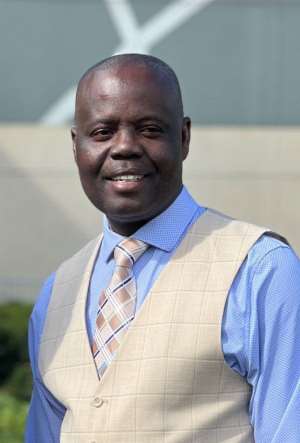
By Gaddiel R. Ackah. [email protected] 🇺🇸 U.S. Navy Veteran | Based in the United States
Gaddiel R. Ackah is a distinguished social advocate and thought leader whose work champions economic independence and ethical leadership. With a background that spans education, business, military service, creative arts, and governance, he brings a multifaceted perspective to transformative change. His commitment to empowering individuals and communities has made him a powerful voice in both national and global development conversations.
As the author of numerous inspirational and leadership-focused books, Gaddiel shares timeless principles for personal growth, civic responsibility, and spiritual resilience. His publications include:
- Competent Leadership
- Becoming Successful
- Our Happiness
- Some Choices Matter
- Respect Matters
- Faith Wipes Tears
- The Power of Faith
With every word and initiative, Gaddiel Ackah continues to challenge conventions, shape character, and inspire a new generation of leaders.

 Failing one or two BECE core subjects does not remove student from placement – E...
 Spiritualist found dead in suspected suicide at Assin-Amoabeng
 ‘Bunkpurugu must choose development over violence’ – MP tells residents
 Court orders Ghana Police to file disclosures in Labone robbery case
 Mahama inaugurates five-member Independent Fiscal Council, demands objective ove...
 Trump tells Putin he wants swift end to Ukraine war, Kremlin says
 Poor refereeing destroying Ghana's football — Mahama
 No businessman will sponsor NPP again because of its ‘evil and greedy nature’ – ...
 Failure to jail corrupt NPP officials will haunt NDC in election 2028 – Hopson A...
 Illegal miner who posed as pastor to defile student jailed 15 years

